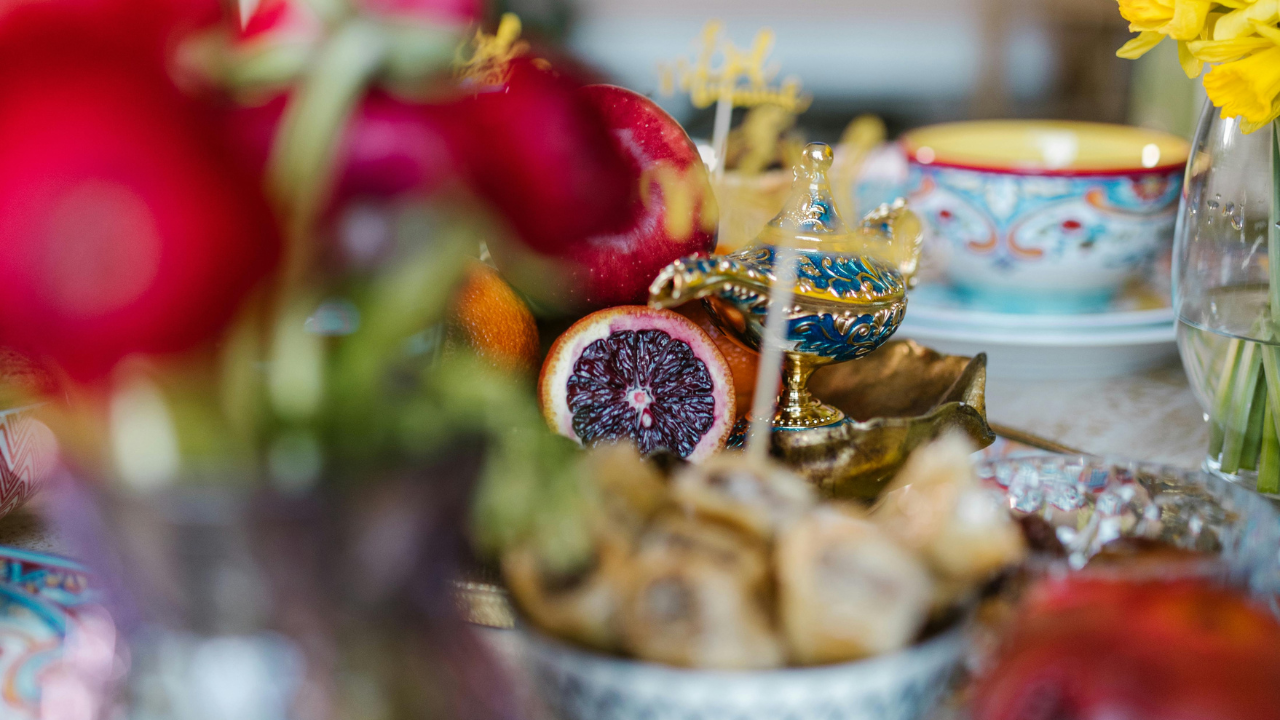
The Art of the Sugar Feast: A Discovery of Traditional and Fusion Eid Desserts on a Worldwide Scale.
The end of the month of Ramadan and the festivities of Eid are marked by a drastic change in the culinary focus, from the seriousness of the fasting practices to the feasting of sharing meals between people. The key element of this celebration is the group of Eid desserts, which is the major medium of social bonding, religious allegory, and historical legacy. The report is a comprehensive discussion of the wide range of desserts that are enjoyed all over the world and have been classified based on their regional origins, the profile of the ingredients that are used, and the historical background. From the milk-heavy puddings of the Indian subcontinent to the layered, filled-in pastries of the Ottoman heartlands, the food culture of the festival is both centuries-old and a sign of trade and acculturation.
The Anthropological and Theological Background of Sugar Feast.
The Islamic calendar distinguishes between two different celebration periods, namely Eid al-Fitr and Eid al-Adha. Although the two are religious festivals, their culinary identities vary, which is determined by the spiritual settings of Eid. Eid al-Fitr is also commonly referred to as sweet Eid, or Sugar Feast. This nomenclature is based on primitive customs and traditions when honey and dates were used to give the energy jolt after the duration of abstinence. The fact that the Eid desserts consumed at this time are high in sugar is not only a biological revitalizer but also a symbolic reward to spiritual devotion.
Eid-ul-Adha, on the other hand, is commonly known as the Salty Eid, as the cuisine changes the concentrations in the dishes into savory meat preparations. Nevertheless, the position of sweetness as an obligation of hospitality and the spirit of giving is also crucial in the course of the second Eid. Throughout the festivals, the eating of sweet pastry is one of the main activities of the day, with a festive breakfast usually being the first thing in the morning to set off Morning Prayer.
Essays on the South Asian Environment: The World of Dairy and Grain
The celebration of Eid in India, Pakistan, and Bangladesh cannot go without milk-based puddings, especially that of vermicelli. These Eid desserts can be seen as a convergence of Persian, Mughal, and local South Asian influences.
Sheer Khurma: The Kingly Breakfast
The final decision to be made between Eid desserts is Sheer Khurma, which is the combination of the Persian words milk and dates. This meal is normally served and eaten on the morning of the festival. The sensory perception starts with the odor of “nylon” vermicelli being toasted in pure ghee. Dried dates are traditionally added to the list of ingredients in order to make a real Sheer Khurma and not a simple dessert dish. The consistency consequent is that of an edible beverage, a thick, hot infusion, which is a sign of friendship and warmth.
Middle Eastern Mastery: Syrups, Nuts and Shortbreads
The Eid desserts of the Middle East are typified by a focus on texture, namely, the juxtaposition of crisp and syrupy layers with buttery crumb. Sweets in this part of the world are akin to the ‘pieces of art’ carefully shaped to show the ability of the host.
Maamoul: The Multifaceted Shortbread
Maamoul is the most popular delicacy of the Levant and the Arabian Peninsula, particularly during Eid. These are butter cookies prepared using semolina flour and ghee, and usually infused with rose water or orange blossom water. The fillings tend to be very symbolic, and in most cases, they are used to represent the kind of nut contained within them; flat cookies are usually filled with date paste, and domed cookies are filled with chopped pistachios or walnuts.
Southeast Asian Art: Steaming Traditions and Colonial Fusion
Eid in Indonesia and Malaysia is also marked by a special selection of sweets which are used to showcase the biodiversity of the area, espoused by the presence of coconut, pandan, and rice, especially. These Eid desserts, which are referred to as Kuih, are commonly steamed and richly colored. A notable one is the Kuih Lapis, which is a steamed pudding prepared using rice flour and coconut milk and is unique with alternating layers. This process is labor-intensive, which is a reason why this food is an occasion food rather than a regular dessert recipe.
Watalappam: The Sri Lankan Malay Heritage
The Watalappam, which is a spiced coconut custard pudding, is the dish that defines the Eid table in Sri Lanka. Watalappam does not contain a solid flan as its texture is porous with small holes where sweet syrup is trapped. Kithul jaggery defines and gives it a smoky underpinning. The aromatic base is built by cardamom and nutmeg, and roasted cashew nuts provide a top dressing for the soft custard.
African and Central Asian Delicacies: Grains, Fruits, and Porridges
In parts of Africa and the Balkans, Eid celebration is done using local farm produce so as to come up with foods to celebrate. In West Africa, the day starts with Lakh, sweet porridge made of curdled milk and balls of steamed millet. These Eid delicacies are usually offered immediately after the morning prayer, which is a community breakfast that concludes the official fast.
Modern Festive Varieties: Tropics to Roots
Venturing into more desserts, such as the Pineapple Pie, gives a more tangy taste and an understandable texture. This dessert option is wrapped in a golden brown crust and can be made using pineapple, which is spiced with cinnamon, and topped with cardamom, allspice, and nutmeg. Likewise, the Orange, Cardamom, and Polenta Cake is a festive, bright, and citrusy addition to the festive table, which has a pleasant orange aroma and juicy crumb.
To include an earthy sweetness and velvety creaminess in the celebration, certain recipes of the dessert, such as Sweet Potato Pie or Sweet Potato Creme Brulee, can be included. These desserts are fortified with heavy cream and spices such as ginger, nutmeg, and cloves in order to make their filling heavy and substantial. Although the final recipe of the dessert, Sweet Egg Yolk Balls, could differ, the custard of the eggs is very popular in the world because of its porous, syrupy structure.
Semantics of Ingredients: History and Symbolism
The ingredients, which constitute the basis of Eid desserts, need to be analyzed to get a picture of the diversity of the Eid desserts. The ingredients saffron, dates, and rose water are the golden threads that unite the history of the culinary practice of the Islamic world. Dates are a holy food of the Sunnah, which symbolizes gratitude and vigor on Eid morning. The most costly ingredient, saffron, offers a unique golden color and a flowery scent that is worthy of royalty. The Rose water, which is the extract of rose petals, offers a faint, lingering smell to a number of desserts, reminding one of the ancient customs of Persian hospitality.
Modern Tendencies: Fusion Sweets Development
The practice of preparing Eid desserts is also changing as the world is getting more and more interconnected. The younger generations reconsider the traditional tastes using the contemporary pastry methods, e.g., the Ras Malai Macaron, the Baklava Cheesecake. Such sweets can retain the cultural memory, as well as keep up with the global culinary tendencies, by making the spirit of the festival topical and welcoming.
Hospitality and Social Cohesion Rituals
Social rituals control the production and consumption of Eid desserts, which strengthen communal values. During Eid, hospitality starts just as soon as a guest is welcomed to a home. The first thing that is served in South Asia is nearly a bowl of warm Sheer Khurma. Bringing sweets to the neighbors, whether or not they are part of the Eid, is a characteristic of the festival. In the case of children, the holiday is actually equated with Eid al-Fitr, cash offered by older people to buy candies and special delicacies. Giving these to people in need will mean that people in need will also be able to enjoy Eid.
In Short,
The structure of the Eid celebration is based on the sweetness of its traditions. It can be either a classic Maamoul or a contemporary dessert option, such as spiced fruit pie, but the purpose is always to celebrate the guest and enhance communal ties. These are sweets as a reward for the spiritual discipline of the month. Although the exact content of a dessert dish could differ, the content of the “Sugar Feast is universal, meaning that the warmth of the meal is the thing that is common to all the dessert recipes. To the professional analyst, these desserts provide insight into how religion, geography, and history interact on Eid. With each spoonful of the sweet pastry or the pudding made of cream, there is proof of the generosity that holds millions of people together throughout the world. The culture of kindness and gratitude is promoted in full glory through the celebration of Eid as families anticipate Eid happiness. The religious experience ends with the sweetness of Eid, which is a reminder of all the perseverance and hope in the world.