The Differences And Similarities Of European And American Food Culture
People living in medieval times, particularly in Europe, subsisted mostly on cereal grains which were staples for both the lower class and noble families. Bread was common among the working class who consumed it as trenchers or edible plates. Their diet also consisted of varying meats available seasonally. There existed significant social lines when it came food. Noble classes had access to finely ground flours along with fresh farmed fishes and spices rich diets. The lower would only get rye coarse bred or barley with simple stews made from vegetables, some meat alongside dairy sourced from their cattle livestock. This early culinary division structured diversity by laying stratification amongst cuisines that evolved later throughout the continent.
Pepper, cinnamon, cloves, nutmeg, and ginger were once rare spices but now become available to the masses. More importantly, new world crops such as cocoa, potatoes, corn and tomatoes were incorporated into the European diets. This dramatically changes certain eating habits. For example the potato used to be an extravagant import but now in Northern Europe it is considered a starch staple as it’s much cheaper than wheat. Maize was also referred to something from across the Atlantic until it became a key ingredient in Italian polenta.
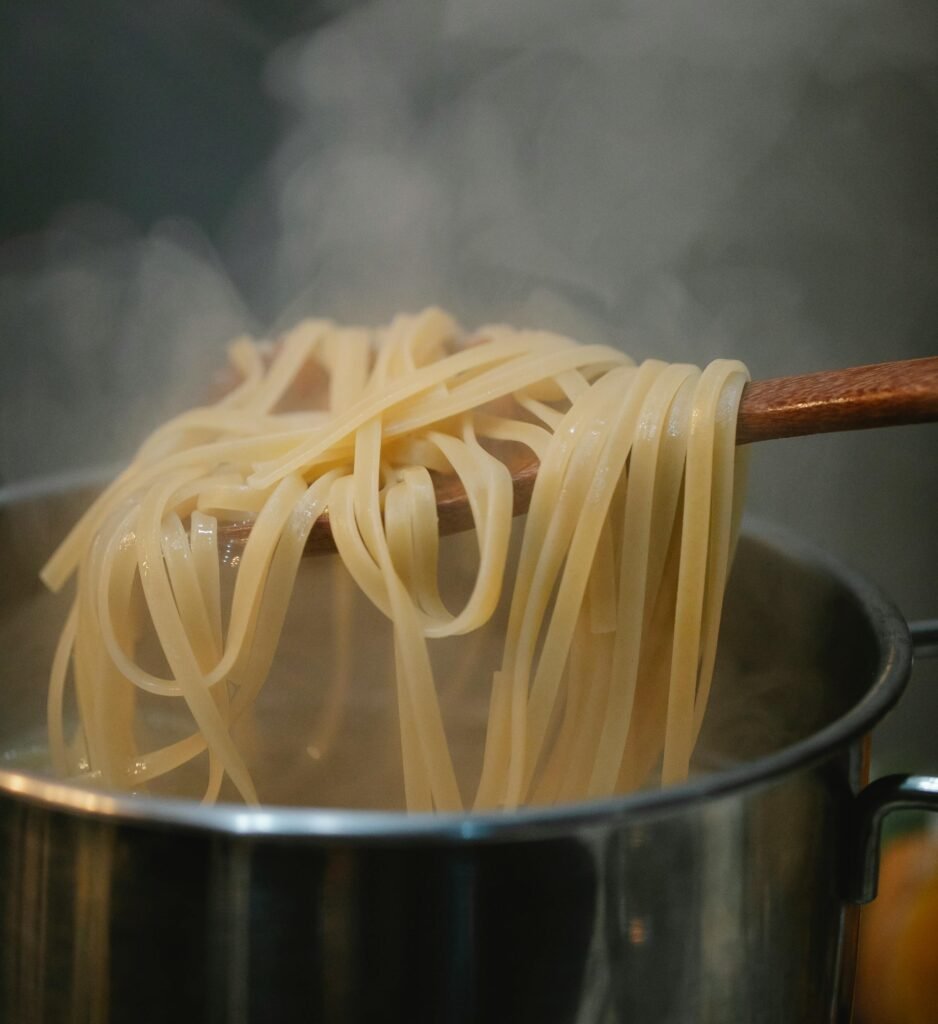
The first half of European modern cuisine was marked with lose culinary identity but strong nationalism in the 19th century triggered unique national cuisines. It led to recognition and documenting region specific cuisines which had been developing over time for centuries. While French gastronomy uniquely added its intricate sauces Italy diversified pasta dishes into several different variations while Spain adapted to western culture of minimalistic small plate servings.
What stands out is the discrepancy between regions globally known for their ingredients and their association today with authenticity. Historical records show that for decades European cuisines received constant innovation from abroad starting with Asian spices due to silk roads, as well as tomatoes and potatoes from new worlds.
Even with the historical context of influences from abroad, European cuisine is often perceived as traditional for its deep roots and “tradition reinvented” philosophy. This implies that what is regarded as “authentic” European cuisine is not fixed, but a dynamic phenomenon growing through assimilating and internalizing external elements until they shape core facets of the ever-changing culinary framework. Moreover, Europe’s current regulatory policy, showcased by food safety laws termed the “precautionary principle,” represents an answer bordering on sophisticated for contemporary concerns stemming from industrial food production. Unlike earlier centuries where simply adopting new ingredients was the norm, this rigid approach which necessitates proof of safety before permission is granted emphasizes processing and health-related risks while benefiting from centuries worth of culinary evolution.
The American Melting Pot: Indigenous, Immigrant, and Industrial Influences
Cross cultural exchange and intermarriage gives birth to new enterprises in America where cuisine transforms into a mixture put together by numerous ethnic groups unlike any other in the world.
The eating habits of Native Americans are the earliest known origins of American cooking. Their nutrition consisted of hunted meat and crops cultivated seasonally, and was quite diverse across the continent.
Old World and New World cooking styles merged for the first time during the Colonial period as European settlers brought over their culinary traditions along with new crops and livestock. Nevertheless, what stands out about American Cuisine is its development as a true ‘culinary melting pot.’ Important contributions from further immigration waves— Europeans, Indigenous Americans, Africans, Latin Americans, Asians, and Pacific Islanders— have continually added to the food landscape. The constant movement of people within different cultures made it possible to organically combine several ethnic or regional styles into brand new ones. Such includes southern cuisine which is distinctively southern yet infused with African, French and Mexican influences as well as Tex-Mex that features both Texan and Mexican culinary heritages.

One remarkable feature resulting from this cultural integration is the “Americanization” of foreign dishes.”
Foods like apple pies, pizza, hamburgers, and hot dogs are now American staples but were brought from Europe or Mexico. Over the years, they have been changed to suit American tastes and methods of production. This highlights the remarkable adaptability and transformation feature of American food culture—where foreign ideas are not just accepted but reimagined completely.
America saw a radical shift in its eating habits because of industrialization during the 20th century. It started around the time of World War II, including an increase in appetite for convenience food. The introduction of processed foods, frozen TV dinners, and expansion of fast-food restaurants began to change everything about cooking and dining in America. Food companies joined forces with the government to provide food that was cheaper and highly processed, leading to ever-increasing consumption and expenditure on fast food.
The unique nature of American cuisine due to its “melting pot” characteristic has led to endless pieces of culinary creativity like fusion cuisines. However, by itself this trait lacks balance. Coupled with industrialization’s economic stressors, adapting becomes too easy when there are already so many added options to diet such as fast food or highly processed meals.
The change in how food is prepared and served in the modern world, especially since its mass produced and dirt cheap, has shifted mindsets toward having visually appealing and bulky servings. This particular shift contributes to worrying amounts of food waste. Recent advancements have made it incredibly easy for a huge population of people to be fed at once. However, this comes with many cons such as worrying about the environment’s wellbeing, animal cruelty, production of possibly unhealthy crops which promotes dieting issues, etc. Such an experience like living in America helps one realize what a rich culinary heritage brings along. It showcases what happens when diverse cuisine culture undergoes heavy industrialized nourishment systems alongside robust consumer acceptance for convenience without equal thought upon its consequences bringing down the standard of nutrition people seamlessly rely upon.
Core Culinary Philosophies and Characteristics
While pondering over meal preparation and consideration one can effortlessly notice differences between American food and Europe’s cuisines.
European Cuisine: Freshness, Region, and Tradition as Top Priorities
European cuisine places a tremendous emphasis on locavorism, meaning fresh high-quality ingredients are always used. Moreover, dairy products are heavily incorporated in European gastronomy. Europe is renowned for having hundreds of varieties of cheese and other fermented milk products which shape the rich tapestry of culinary delights found on the continent. Also, due to commitment towards seasonality, produce will be available at its most nutritious and flavorful during specific times.
Europe is equally famous for its cooking techniques that thoughtfully combine flavors to create rich, complex dishes. French cuisine offers some of the best global examples with their expertise on sautéing or braising in addition to richly flavored sauces such as béchamel or hollandaise that work well alongside many dishes. There is also a considerably heavier focus on serving meat compared to East Asia due to Europeans having different historical dietary patterns.
Instead of “European Cuisines”, it is more accurate to say one single continent has an immense and celebrated regional diversity with each country portions smaller regions etching out their own local cuisines shaped by local ingredients intertwined with historical factors and cultural heritage stagnated over time.
Regional differences are essential and give rise to particular local culinary cultures. Take note of French haute cuisine that ticks off high-quality ingredients and complex sauces while Italian cuisines center specifically on dedicating regional staples to seasonal produce in its multiple pasta and pizza forms not forgetting Spanish tapas culture which is characterized by small plates embraced communal style dining. Mediterranean also Eastern European cooking regions highlight hearty comfort food and steeped olive oil depending on the region. Mediterranean also Southern Europe emphasizes fresh foods including seafood while highlighting the use of olive oils as key components, enhancing dishes with crisp, clean flavors.
Restaurants across Europe tend to be viewed more as places for leisure; an escape as opposed to a pure need like going out to eat serves America’s quick needs. Formal European dinners break into different courses which stems from “service à la française”, this transitions to more structured eating where meals are shifted into “service à la russe”. Oh so famously, Europeans take their time savoring every bite. The slow pace stands in stark contrast to the American ‘on-the-go’ dining culture as described above. Among these lies ubiquitous café culture, mastered art in wine pairing, elevating dining into social appreciation styles transforming ordinary meals into cherishable moments savoring and appreciating life.

There is a notable link between history geography and the deep rooted divisions within cuisine across Europe regions.
The differences in cuisine from various countries stem from centuries of specific agriculture, locally sourced ingredients, and diverse climates shaping culinary practices. The affection towards cultivating local terroir, along with culture respecting quality and rituals regarding food evolved, shaped a center culinary region where identity bonds every aspect of life. Notable is the modern approach “tradition reinvented,” suggesting that there is always room for reinterpretation rather than sticking to historical reenactments. This form of dialogue ensures the appeal throughout Europe while also nurturing variety over time.
American Cuisine: Diversity, Convenience and Portion Size
Unlike Europe, America showcases an ever-changing blend of regions and cultures through cuisines serving as a true “culinary melting pot.” The history of immigration coupled with cultural diversity adds on to this notion further bonded through restaurant menus depicting dishes from almost all regions around the globe.
Moreover, at the core foundation lies comfort by serving an extensive selection revolving around beef, chicken, pork, and more cuisines centered in meats.
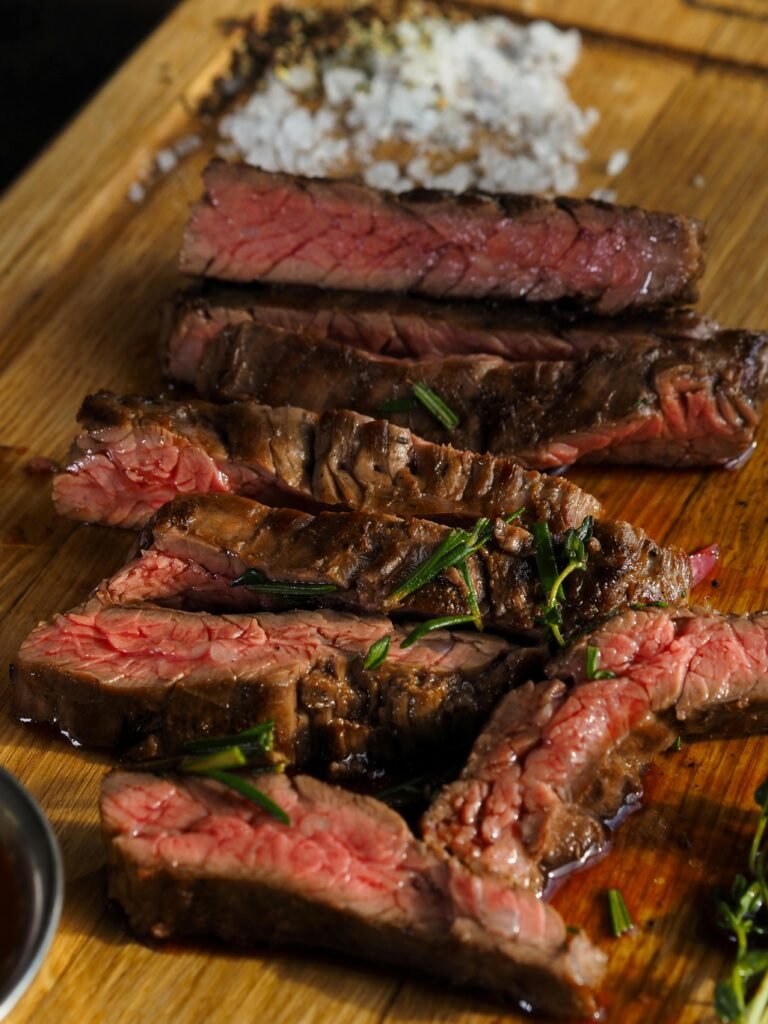
Fried chicken, hamburgers, pizza, and steaks are classic American comfort foods. While the country is often referred to as a melting pot, each area has its own signature dishes and flavors. Some examples include the Southern United States rich, smoky barbecued meats, clam chowder from New England’s seafood cuisine stronger offerings, Tex-Mex staples with brazen twists, and Cajun cooking which merges French-African-Caribbean influences.
Particularly in fast-food restaurants and family-style diners, large portioned meals remain a defining feature of an American culinary experience. To accommodate high patronage volumes during peak hours, most eateries provide spacious seating reflecting the culture’s appreciation for speed. The atmosphere is laid-back casual while still friendly, relaxed, and somewhat informal with heavy focus placed on customer choice—often allowing full dish customization. Such approaches reflect Americans value immediate dining gratification without pre-planning necessities.
The historical path shaped by the surge of processed foods alongside industrialization strongly links to meat-centered meals served in significant portions dominated American cuisine over time.
The mass production of food caused serving sizes to heavily increase as food became cheaper, faster, and produced in larger quantities. This mentality of “the bigger the better” has infiltrated many American industries, not just fast food restaurants; it also leads to an increase in consumption and a drastic rise in food waste. While the world’s population is and has been successfully fed by the system, there are growing concerns about environmental impacts, animal welfare practices, and the production of low quality crops that might not be the healthiest choices for people contributing to diet-related illnesses. The efficiency-centered focus of the American food system on convenience and perception of value attached to large servings creates a puzzling situation where extreme wealth of resources counterbalances public health risks alongside environmental concerns which is completely different from Europe’s approach combining small portioned but nutrient-rich servings.
Comparative Overview of European and American Culinary Characteristics
| Characteristic | European Cuisine | American Cuisine |
| Defining Philosophy | Emphasis on fresh, high-quality, local, seasonal ingredients; tradition and culinary craftsmanship; dining as an experience to be savored. | Emphasis on diversity, adaptability, convenience, and abundance; comfort foods; dining as a quick, efficient process. |
| Historical Influence | Medieval foundations (cereal-heavy, class-stratified); transformative impact of New World ingredients (potatoes, tomatoes); emergence of distinct national cuisines. | Native American roots; blend of Old and New World cookery; profound influence from continuous immigration (melting pot); industrialization and rise of processed/fast foods. |
| Ingredient Focus | Prominence of meat and dairy (hundreds of cheeses); fresh produce, seafood, olive oil (especially Mediterranean); strict regulations on additives and GMOs. | Strong emphasis on meat (beef, pork, chicken); wide variety of produce; permissive stance on additives, GMOs, and hormones in food production. |
| Flavor Profile | Deep, intense, complex flavors; often herbal, floral, or umami-rich; higher cocoa content in chocolate; focus on natural ingredients. | Sweeter, lighter flavors; often with added familiar flavors (e.g., peanut butter, caramel); can be perceived as bland or over-sweet; strong in beef, salmon, lobster. |
| Dining Pace | Slower, leisurely meals; lingering at the table; multi-course formal dinners; café culture. | Faster, “on-the-go” eating; quick service; less lingering; casual dining atmosphere. |
| Portion Size | Typically smaller, nutrient-dense portions; focus on balance and satisfaction without overindulgence. | Generally larger portions; “bigger is better” mentality; contributes to food waste. |
| Regulatory Stance | Precautionary principle (prove safe before allowed); strict regulations on additives, GMOs, and animal products; transparent labeling (per 100g/ml). | Permissive stance (allowed until proven harmful); less stringent regulations on additives, GMOs, and animal products; less transparent labeling (per serving). |
Ingredients, Flavor Profiles, and Where the Regulations Differ
Both Europe and America have differences when it comes to food ingredients as well as taste owing to the regulations put in place on production processes, packaging, and even selling the food item.
Ingredient Sourcing and Quality
A key difference stems from the approach taken concerning the safety and approval of ingredients used for food manufacturing. Europe operates under the “precautionary principle” where if an additive is suspected, its use is often banned until proved safe. That leads to a more restrictive regulatory environment where ingredients need to be listed in order by quantity as allergen with strict emphasis on allergens and nutrition values standardized per 100 grams or milliliters for easy comparison across brands. European bread also follows quite simple ingredients such as flour, water, yeast and salt instead of water which American breads gad many additives.
On the other hand, United States takes much more permissive approach described often as “innocence until proven guilty” where additives are permitted until there is definitive evidence that they are harmful. This results in the use of “natural flavors” on many ingredient lists which obscurely specific sub components of concoctions or diets without giving honest wording of how diet structured cumulatively per serving which can be very small.
The differing ways each government approaches regulation results in a long list of additives and practices that are banned in Europe but permitted in the United States.
Key Differences in Food Regulations & Banned Additives (Europe vs. U.S.)
| Additive/Practice | Europe Status | U.S. Status | Associated Concerns/Reason for Ban in Europe |
| Potassium Bromate | Banned | Permitted | Linked to cancer in animal studies, nervous system issues; used as dough conditioner. |
| Azodicarbonamide (ADA) | Banned | Permitted | Common allergen; used as bleaching agent in bread; associated with yoga mats. |
| BHA & BHT | Banned/Restricted | Permitted | Preservatives linked to liver, kidney, thyroid problems, hormonal imbalances, potential cancer in animal studies. |
| Brominated Vegetable Oil (BVO) | Banned | Permitted | Flame retardant; linked to memory and nerve issues; used in sodas. |
| Titanium Dioxide | Banned (as colorant) | Permitted | Potential carcinogenic effects; used to brighten chewing gum/candy. |
| Artificial Food Dyes (e.g., Red 40, Yellow 5) | Require warning labels or banned | Permitted | Linked to potential hyperactivity in children and other unresolved health concerns. |
| rBGH/rBST (Growth Hormones in Dairy) | Banned | Permitted | Potential cancer risks, animal welfare concerns; increases milk output. |
| Ractopamine (Livestock Growth Drug) | Banned | Permitted | Makes animals grow faster/bulk up; linked to hyperactivity, heart problems in animals. |
| Chlorine-Washed Chicken/Eggs | Banned (for chicken/eggs) | Permitted | Suggests poor animal welfare/hygiene practices; strips protective layer from eggshells. |
| Foods Sprayed with Atrazine & Paraquat | Banned | Permitted | Weed killers; can cause infertility, hormonal imbalances, cancer (groundwater contamination). |
| Partially Hydrogenated Oils (Trans Fats) | Heavily restricted | Restricted (moving away) | Links to heart disease and strokes. |
| High-Fructose Corn Syrup (HFCS) | De facto banned/Restricted | Widely used | Linked to rising childhood obesity, diabetes, fatty liver disease; cheaper, sweeter alternative to sucrose. |
| GMO Crops | Heavily regulated, clear labeling, fewer approved | Hundreds approved, recent “bioengineered” disclosure | European shoppers tend to avoid; linked to herbicide resistance (glyphosate). |
Differing views on regulation shape every region’s public health results and consumer trust. America’s Europe-focused risk-based approach guarantees minimal exposure to hazards while ensuring transparency which results in food products perceived as “cleaner.” This is why American companies produce cleaner versions of their products for European markets. On the other hand, the U.S. system provides flexibility but burdens proof on demonstrating harm, resulting in high-additive and low-label transparency food supply. The underlying economic drivers from this permissive approach are focused on profit through cheap ingredients, lower production costs, longer shelf life, and better eye appeal.
Distinct Flavor Palettes
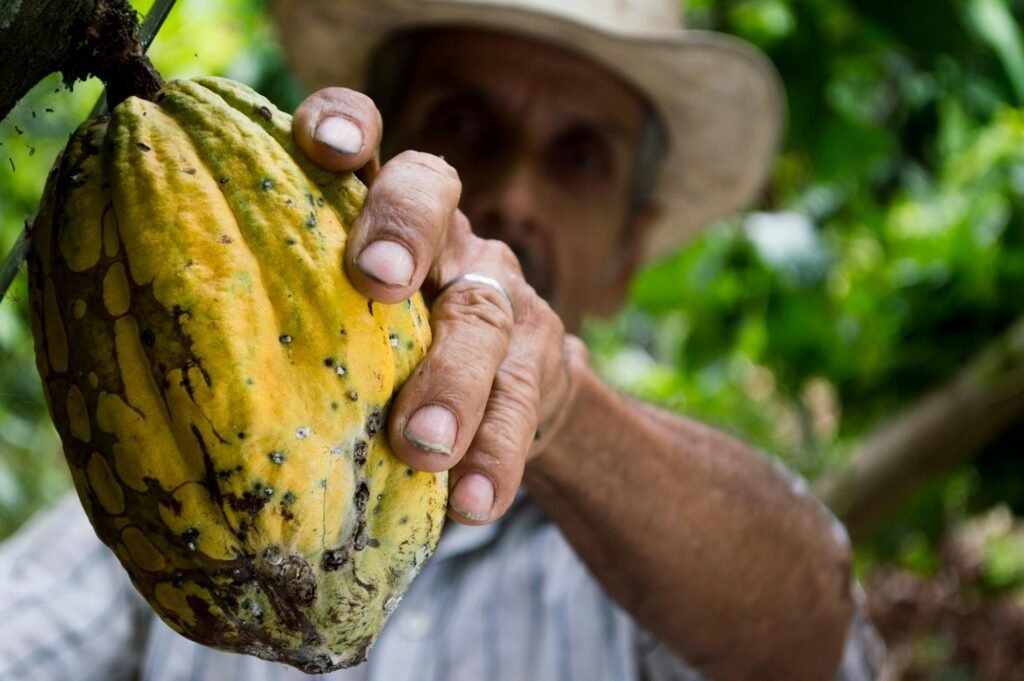
These two regions blend together completely different cuisines because of difference approaches in regulations and ingredients consumption, for instance: Europeans spend more than Americans on chocolate because American chocolate brands do not meet the standards set by super market for taste which depend s on higher cocoa content than most frothy milk fillers. Additionally, Cocoa consumes a lot of energy during digestion so gradually supplying it to body gives smoother richness mouth feels that has herbal and floral flavors adding on to further delicacy to savor in each bite unlike American milk chocolate counterpart.
Focusing on fresh and local ingredients that are in season, as well as using traditional cooking methods, helps enhance the natural taste of various components making the dishes not overly heavy and more “natural.”
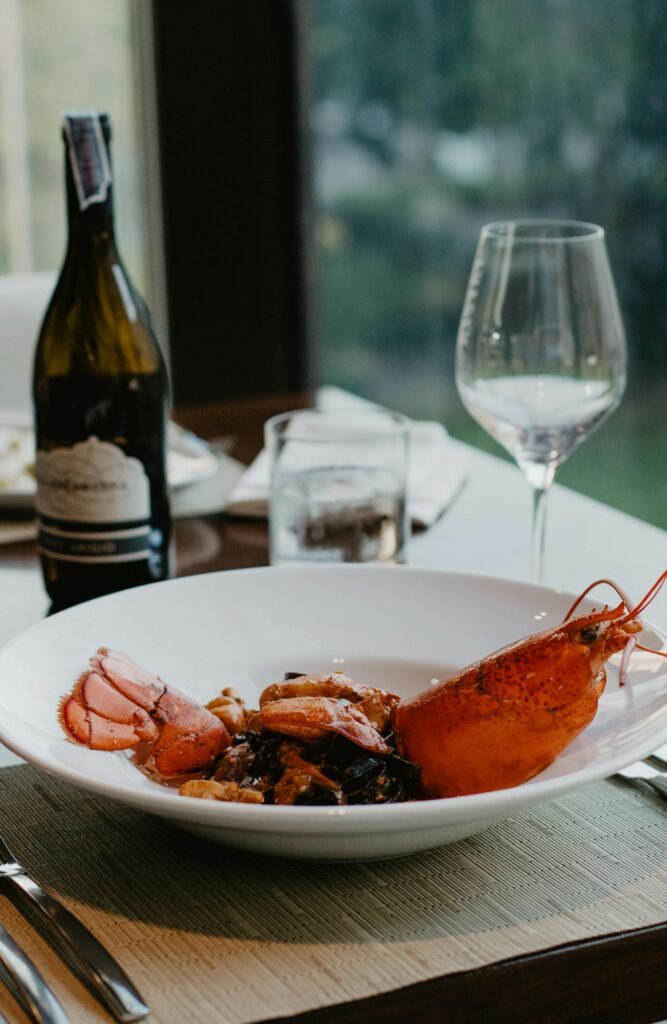
For example, American cuisine, especially the kind produced on a large scale, is characterized by its sweet and lighter flavors, especially with chocolate which has lower cocoa content and is frequently enhanced with staples like caramel or peanut butter. Though this type of food can be appealing to many people because it reminds them of childhood or turns on emotional triggers; at times, it may become too sweet with overuse of high fructose corn syrup leading to blandness. It should be noted though that American cuisine shines when it comes to certain meats such as high quality beef (steaks), salmon and lobster which showcase the richness in flavor from the meat. The ongoing refinement of European cuisine brought about hundreds of years ago due to spice integration from the east along with new world foods has resulted in infusing complex layers of flavors. On the other hand industrialized US food has steered away towards greater sameness focusing on sweetness while sacrificing flavor details highlighting mass market appeal along with ease for shipping long distances without perishable concerns.
This has created a greasy “cheap American food” cuisine that is filled with low-quality ingredients and overly sweet.
Preparation of Food and Eating Habits
Europeans and Americans differ greatly in culture due to the ingredients and taste aspects of food. The preparation as well as the intake of food shows great differences between the two continents.
The Culinary Arts of Europe
European culinary art is the outcome of persistent effort and attention to detail stemming from skilled craftsmanship. It involves distinct European sautéing, braising, and sous vide cooking which are central to flavor development. Culinary traditions in Europe take a lot of time and skill including deep slow-cooking techniques for blending ingredients which results in highly valued dishes.
In Europe, social gatherings involve dining, and this practice is considered as one to be enjoyed instead of eating as fast food like people do today. For formal meals, Europeans commonly eat using the course meal style called “service à la russe” meaning “service in the Russian manner” where dishes are served one after another which promotes appreciation towards each dish leading to slower pacing than before while eating. Unlike in the US where speed serves as an essential factor due to people being constantly on the go, Europeans prefer extended sitting periods over engaging conversations while enjoying their meal.
The developed traditions of pairing wine with food, along with the extensive café culture, shows how much Europeans appreciate dining as an event.
European cutlery styles that are termed “continental” show high efficiency and continuous involvement with the meal. Diners hold a fork in the left hand while the tines are pointed down, and they slash at food using a knife in the right hand. Both items are held simultaneously to bring food to the mouth without hand switching. This is considered very efficient because there is no need to pause during eating for hands to switch—everything proceeds smoothly level eating flow. This approach also indicates importance given culturally engaging continuously with a meal and practicality of dining style that seeks minimal interruptions.
American Efficiency and Flexibility
In comparison, speed and convenience takes precedence in American cuisines. Especially noticeable in formal dining places such as fast casual restaurants and fast-food joints ‘customer satisfaction’ revolves around providing quick service, hence why swift serving order is branded as casual dining service style. This demonstrates an American attitude towards life – dynamic and practical.
A unique characteristic feature of Americans on using cutlery is “zig-zag” style which consists of actions whereby: a bite is taken by cutting it first accompanied with placing down of the knife on plate, pick up fork switched into right hand provided its prongs face upwards”.
While this approach to eating may seem “inefficient” due to minimal movement, it creates a relaxed posture and distinguishes between cutting food and consuming it. A busy lifestyle encourages the “on-the-go” consumption of food which emphasizes speed and a quick sit-down time at the table. In addition, American dining places high importance on customer selection and personalization which is evident with menus that have numerous options for customizing meals.
The American fast food culture epitomizes efficiency and convenience resulting in an overwhelming preference for quick serving eateries. Everything from restaurant design to menu selection has been molded around speed. Still, Americans embracing other cultures or European dining techniques alongside their own is what makes America a “melting pot.” This adaptability reveals the ability of people to use whatever is most comfortable to them which showcases how the country welcomes different traditions.
Iconic Examples: A Comparative Showcase
Both European and American cuisines have iconic dishes that deserve comparative analysis in order to highlight each region’s signature culinary traits further.
European Staples
European cuisines offer dishes that exhibit regionality, use quality ingredients, and are made with skillful techniques.
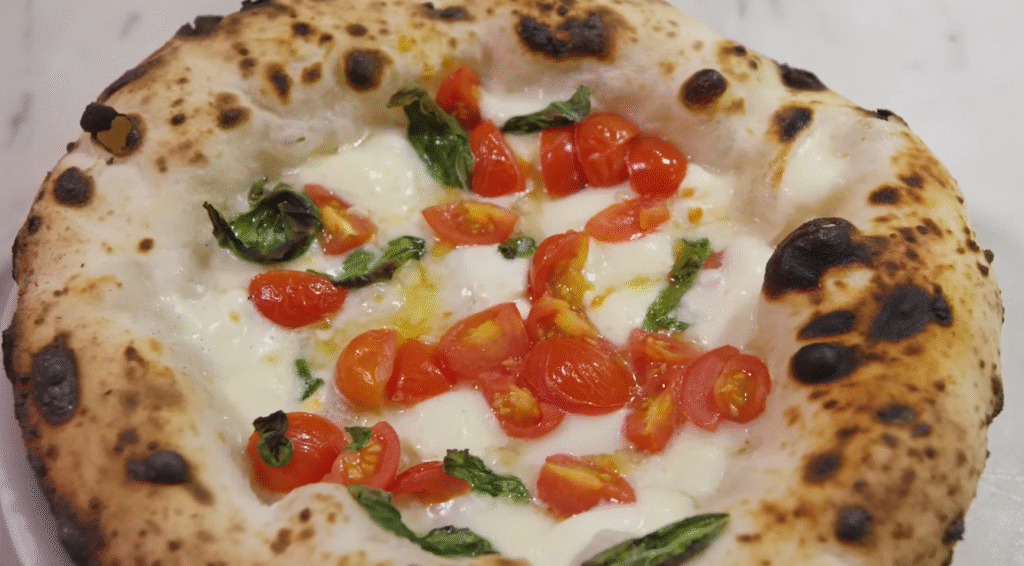
Italian Pizza (pizzo a la napolitana):
A type of dish known as “pizza” originated from Italy. It features a thin base or cross that is cooked in deck or coal ovens at 300C/570F for about 7 minutes. Dough used for pizza is normally prepared with best flour, water, yeast and salt along with some oil and sugar. Hand-made stretching techniques enhance its taste even further. It also includes seasonal tomatoes, olives and whole milk low moisture mozzarella cheese which are used as garnishing part. Rather than the attention grabbing flavors as used in American variety pizza, this soft pizza uses soothing tastes blended with a crispy crust evenly browned and slightly burnt on random sconces.
Common spices include salt, pepper, thyme, parsley and bay leaf which may be packaged as a bouquet grain. Traditionally steeped stock is thickened with blood or roux. This dish showcases the importance of French cuisine in mastering sauce preparation and the art of slow cooking.
Spanish Paella:
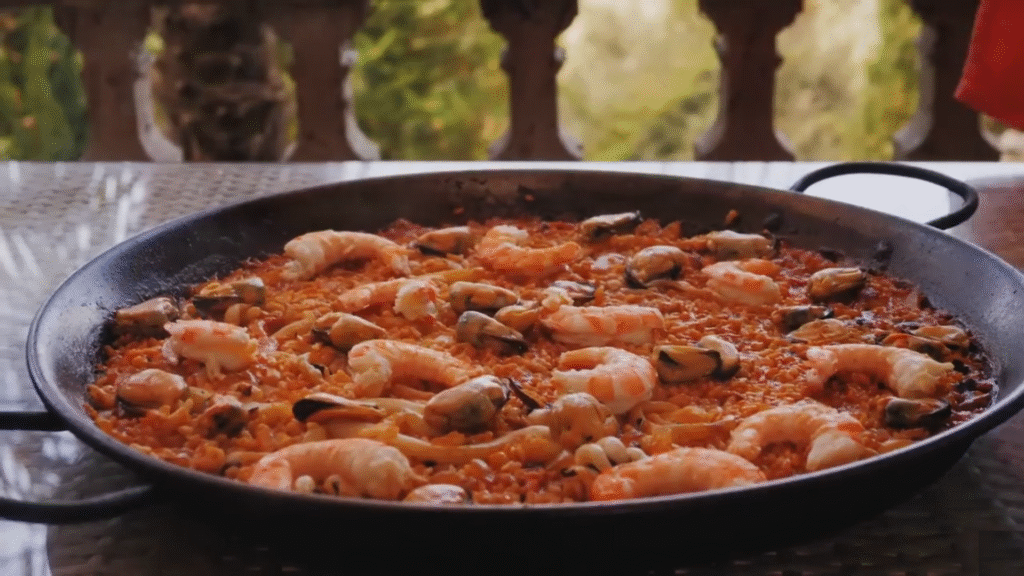
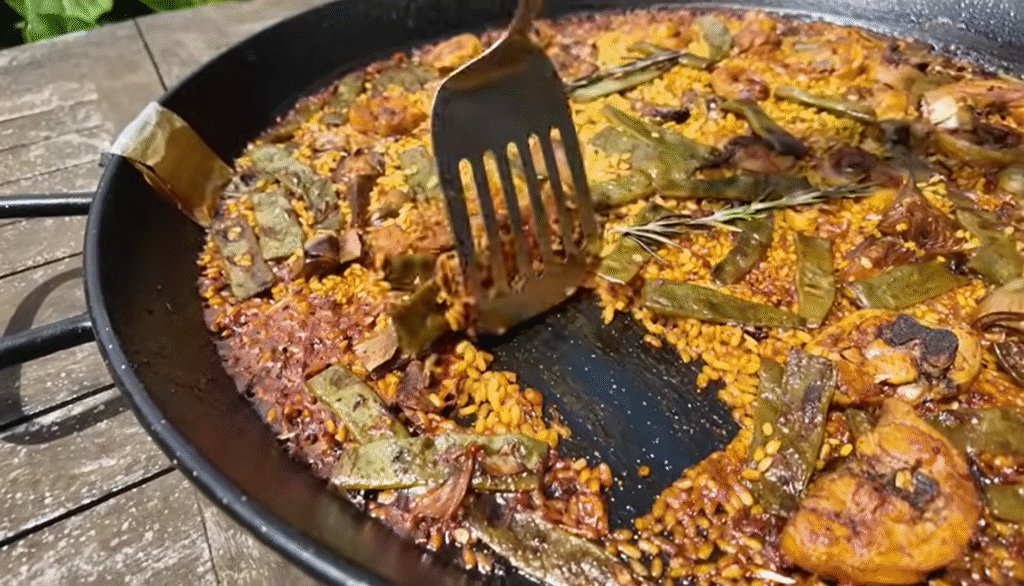
One of Spain’s most famous dishes originates from Valencia. Mediterranean culture celebrates fresh vegetables, seafood, and olive oil which are infused into saffron rice to create Paella. It comprises short- or medium-grain rice (Bomba or Calasparra). Paella base consisting of green/red peppers, onions, garlic, olive oil, tomatoes as well as a stock. Saffron is essential due to enhancing the aroma and color while smoked sweet Spanish paprika with rosemary add to it deep flavors. There are several variants with some containing rabbit, chicken, and snails while others take seafood and add prawns, mussels clam and squid. One distinct feature of making paellas is not stirring the rest of the rice after adding it for a crunchy burnt layer called socarrat at the bottom.
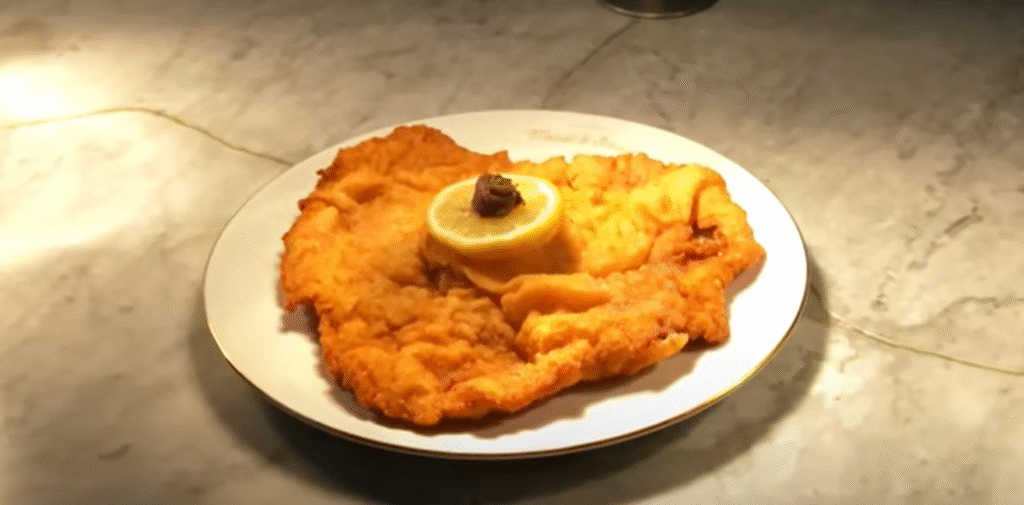
German Schnitzel:
A slice of meat from central Europe which usually comes pounded thin is breaded then fried.
The best known version, Wiener schnitzel, comes from Austria and is made by pounding veal meat to about one quarter inch thick. The preparation for schnitzels includes dredging the meat in flour before being dipped into a beaten egg mixture. Then comes the final step — breadcrumb coating that’s gentle, not compacting like a shell. Afterward, oil or butter is used to deep fry the dish which gives this meal its signature lightness and tenderness. Although verbatim ‘Wiener Schnitzel’ refers to veal, it is common that people use pork or chicken instead— Schweineschnitzel or Hähnchenschnitzel respectively. Traditionally accompanied with potato salad and a wedge of lemon gives it the hearty finishing touch it deserves that compliments region’s love for meat.
American Classics
Shifting focus across the globe, adaptations of cuisine from different countries do not leave behind America where an exquisite class of dishes are tightly knitted together based on geography ensuring prim comfort-food aspects found in every bite along with time-efficiency when preparing.
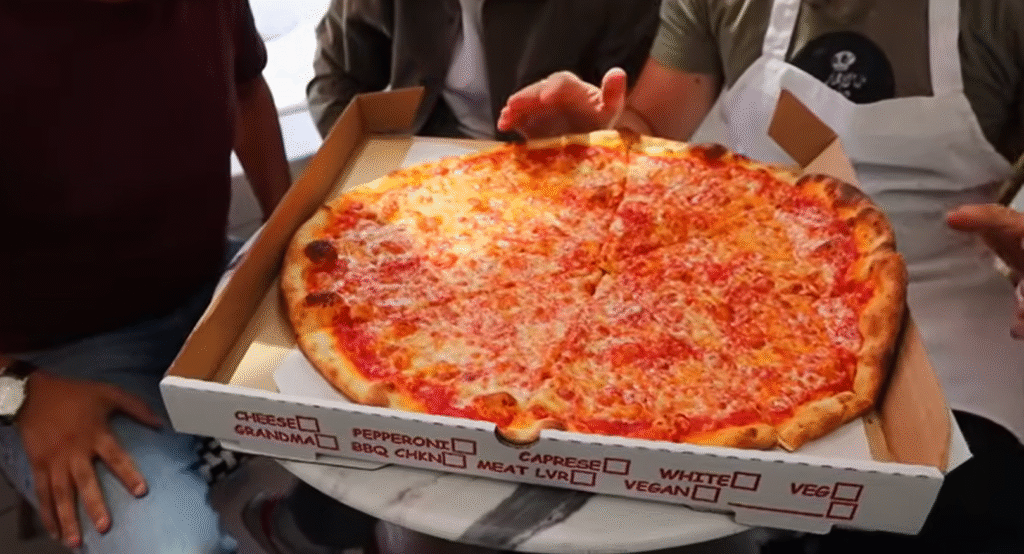
New York Style Pizza:
Even if you haven’t visited the U.S., it has a reputation for its New York-style pizza, which is hands down one of the best rendered styles to have originated from America. Although it was first pioneered in Italy, each corner of America is now flourishing with shapes and types of pizzas. New York slices have become quintessential representation of American pizzas since they are single serve and made for quick consumption. They also became popular due to on-the-go servings in white cardboard plates slightly smaller than the slice itself. While traditional toppings include tomato sauce and cheddar cheese, innovations can also be seen where people experiment way beyond.
Southern fried chicken comes with a unique American twist unlike normal pieces packed in sensitive blends of specific flavors across different regions. Per portions, southern fried chicken packs a delicious punch since every known region possesses some senses of uniqueness packed with creativity that unleashes moist flakes dull end skin coupled along flavorful bites on crispy crusted surface.
First, the chicken is processed and seasoned with salt, pepper, paprika, cayenne (if heat is desired), garlic powder, then deep-fried in vegetable oil like peanut or canola at 350°F. To ensure a crispy coating that puffs up, the chicken is fried in batches “swimming” in fat until golden brown and reaches an internal temperature of 165°F. This dish showcases the rich blend of Native American, European, and African cuisines that shaped Southern cooking.
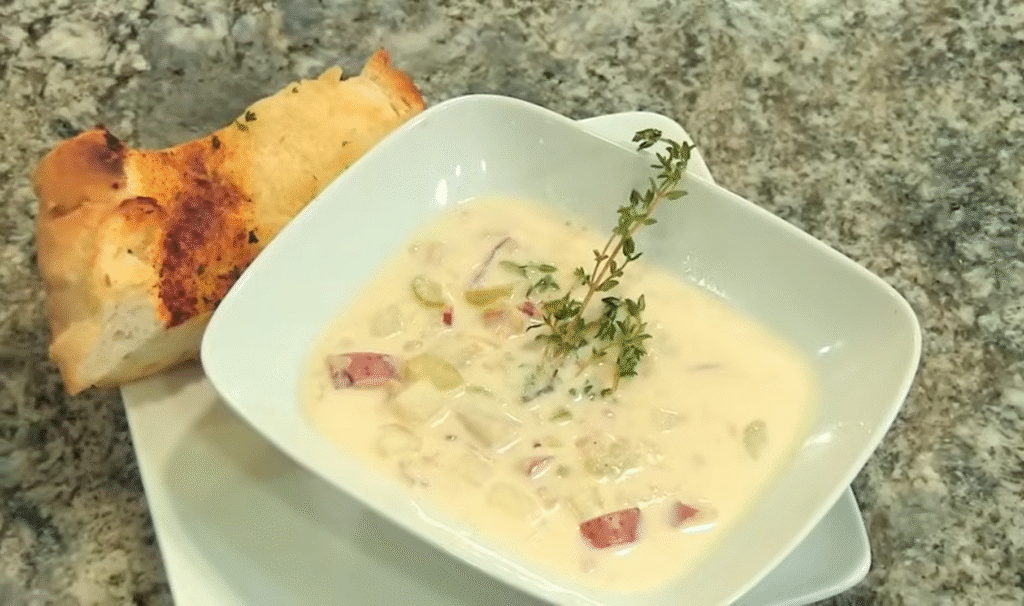
New England clam chowder:
Considered to be one of the most loved staples of seafood from Northeastern United States, New England clam chowder is creamy and hearty soup made from clams and clam juice along with other ingredients like onions, starchy russet potatoes which helps thicken the chowder without making it overly thick or gloppy, bacon or salt pork. The delicate blend of mild flavors make this dish complimenting rather than overwhelming. The sweetish taste of pork goes well with the light salty touch of clams and boiled celery/onion add subtle flavors while dissolving into the broth adding to its comfort food status. Usually accompanied by oyster crackers to complete the meal/ seafood best highlights regions rich maritime heritage as well as their love for comforting dishes.
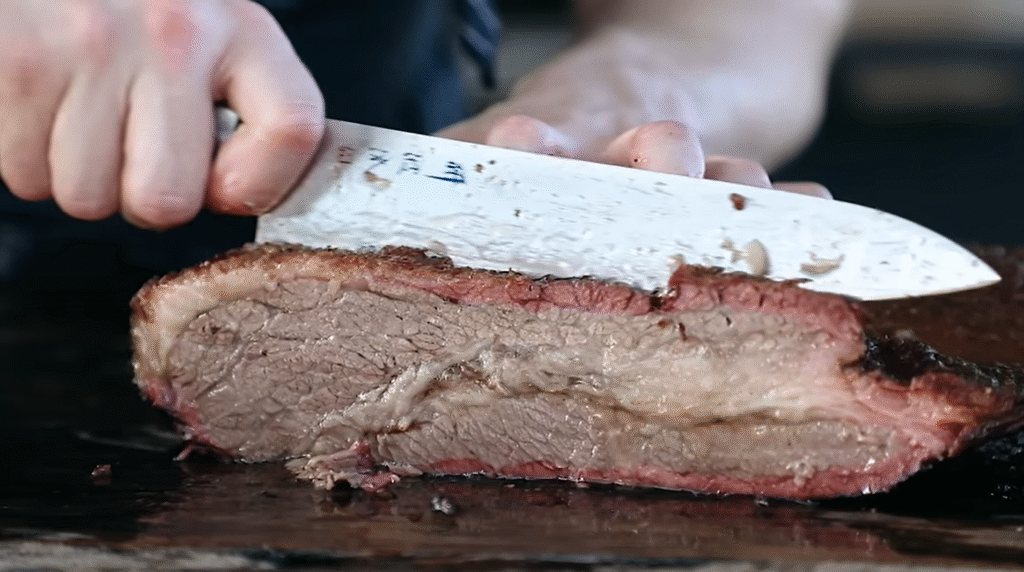
Texas BBQ Brisket:
another low-and-slow gem from Southwestern America is Texas BBQ brisket which has become a way of life in this region.
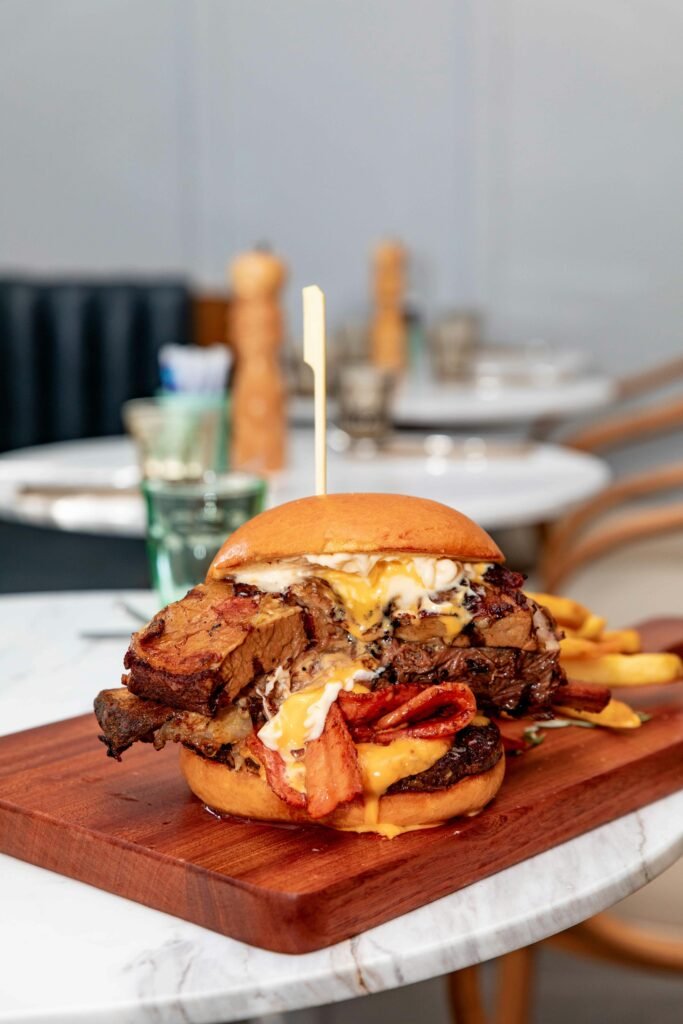
At its heart, this dish appears simple – it consists of brisket cut from the beef and is seasoned with salt and pepper. Some variations also use paprika, cumin, cayenne, brown sugar, chili powder, and garlic or onion powder. Brisket is smoked “low and slow”. The fuel for the fire comes from post oak, mesquite pecan or hickory wood. The target core temperature of the fuel-fed cooker is 195-200°F which maximally tenderizes the meat to fork level shredding temp. Wrapping brisket in foil during smoking and allowing for long rests afterwards results in a super smoky “bark” crust. This is Texas style barbecue which derives Texas values of agriculture mixed American culture obsession with beef.
From these iconic dishes we see how important specific meals can be to different countries’ cultures. Coq au Vin and Paella are great European examples showcasing their complex regional techniques paired with local ingredients and a long cooking time accompanied relaxed pace.
On the flip side, American classics such as New York-style Pizza and Southern Fried Chicken, despite having European roots, undergo a process of “Americanization” due to convenience culture, elevated portion sizes, and local taste preferences. Equally inner-directed is Texas BBQ Brisket—central to the distinctively American ritual of dining—that showcases America’s unabashed love for robust meat dishes carved in regional styles.
Impact of Globalization and Modern Trends
Globalization has changed the world’s cuisine for good, unifying certain aspects while giving birth to new Europe and American cuisines in the process.
Converging Tastes
Food globalization is not a new phenomenon, as the Silk Road was introducing spices to Europe long ago and New World crops were brought to the Old World during colonial times. The spearhead of modern globalization came with technology, media, and transportation which made global ingredients and recipes far more accessible than in the past. There is now an unprecedented level of global integration, which has spurred some amount convergence in tastes.
Another result from this convergence is the rampant spread of fast food outlets like McDonald’s and KFC. Entering new markets comes with uniform menus and standard cooking methods which raise concerns on the local cuisine’s homogenization alongside losing traditional foods. “Western diet” influence with high sugar or salt processed food consumption is already noted in other parts of Europe where Spain used to obey traditional Mediterranean diets but now eats more red meat, sweetened products, and processed foods. This suggests that cheap production coupled with profit maximization fuels the spread of such habits because highly processed foods dominate.
Does globalization ultimately spell the end of traditional culinary arts? Or, could it instead be fostering a richer and diverse food culture across the globe through cultural exchange?
The Rise of Fusion Cuisine
With the concern of cuisine homogenization around the world, there has been an increase in Globalization that encourages the emergence of fusion cuisine. This new form of cuisine replaces old and innovative dishes with new ones comprised creatively from different culinary traditions. Moreover, fusion cuisine serves as proof of the cultural exchange brought about due to increased global synergy. Fusion recipes are prevalent all over America for example, Korean-Mexican where you can eat kyung tacos and kimchi quesadillas along with bulgogi burritos all serving some spicy Korean barbecue flavors fused into Mexican culinary traditions. Another would be Japanese-Peruvian aka Nikkei that use Japan’s delicate cooking methods on bold Peruvian ingredients turning them into tiradito and ceviche with aji Amarillo. We can’t neglect Italian-American cuisine that is also a classic comfort food which combine American tastes from Italy making classics like pizza or spaghetti and meatballs accompanied by chicken parmesan.
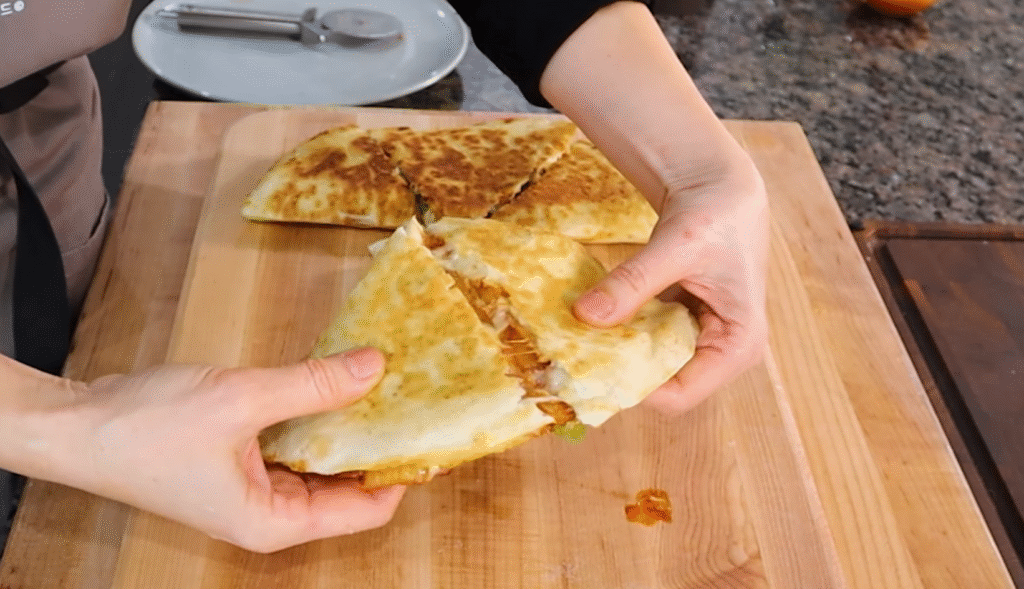
The ingenuity of Asian-American fusion led to inventions like sushi burritos and ramen burgers. Similarly, Cajun and Asian cultures merge Louisiana staples like crawfish with fried rice.
Fish and chips from the UK is recognized as one of the earliest forms of fusion cuisine whereby Jewish, French, and Belgian flavors come together. Another example would be the Vietnamese bánh mì sandwich which uses a baguette illustrating French influence on local cuisine during colonization. Fine dining restaurants have significantly driven this global trend by using local ingredients from Latin America and applying European techniques or using French style cooking with Asian spices. This blend of cuisines indicates that other than responding to globalization with uniformity, there is creative culinary exchange. Moreover, these cuisines owe much to immigration for their ongoing evolution as there is new cultural heritage being introduced and transformed into different contexts.
Future Developments
Both European and American food cultures are evolutionary due to changing consumer tastes, heightened focus on health, ethics, sustainability, and social conscience.
In Europe, the food service industry is impacted by a number major trends. The fast-growing premium snacking category epitomizes this shift as it combines higher quality offerings and ‘food on the go’ with attention given to its presentation and texture. There is a notable increase in vegetarianism and flexitarians across the continent driving demand for plant-based alternatives, with even fast-food chains expanding their vegan options. Customers now also look for greater emphasis on product sustainability, quality, and traceability, local or European origin along certified labels strongly influencing purchase decisions. There’s also growing interest in functional foods providing additional health benefits such as vitamin D and probiotics that aid gut health, precision wellness tailored to specific dietary requirements emphasizing detailed bespoke nutrition to support individual needs. Consumers still favor “tradition reinvented,” where they wish to explore authentic recipes with local ingredients allowing them to reconnect with their culinary roots.
Like Europe, the United States has very different key culinary trends focused on more mindful consumption while dining out. Restaurants proactively add more salads onto menus but vegetarians and flexitarians are increasingly catered for due to innovative meat-free options from Beyond Meat or Impossible Foods.
This trend is driven by concerns about the environment, health, and animal welfare. Consumer interest in convenience gave rise to “ghost kitchens” and delivery-only models, transforming the restaurant industry while providing lower overheads and greater flexibility for restaurateurs. More urban farms are supplying locally grown produce, functional foods are gaining attention alongside climate-conscious choices, and non-alcoholic beverages are being served at elevated levels. Comfort food reimagines classics with modern gourmet twists, fueled by a desire for greater interactivity in dining.

Collectively these developments in Europe and the U.S. respond to a growing consumer awareness of health, ethics, and environmental impact. These shifts attempt to counteract some negative consequences of industrialization and globalization, such as widespread processed foods and related health issues. There is a growing demand for quality transparency as well as sustainable practices which puts pressure on both regions’ food industries to adopt more responsible approaches.
Finally, Europe America: two seemingly distinct culinary landscapes shaped by intricate historical cultural and economic dynamics. Europe’s regional cuisines developed over centuries and are characterized by fresh, local ingredients, carefully crafted dishes, and a rolled out multi-course dining experience. Its “authenticity” incorporates influences from around the world, regulated by consumer health standards going back to the very first considerations of nourishing and safeguarding the public while providing information about what is offered.
In comparison, American cuisine stands out because it was built on ideas brought over from other countries; it is lively and ever changing. The blending of cultures has resulted in astonishing culinary creativity. At the same time though, this blended food culture was conditioned fby inflicted industrialization which led convenience-centered foods served in oversized portions prepared under relaxed safety regulations that have been proven harmful to overall population’s well-being.
While there are still stark differences between each continents traditions and practices around food, globalization seems to be contributing hottest new forms of culinary art. For one don’t lose sight of innovative adoption of traditional recipes by others through fast-food restaurants alongside build your-own options. Furthermore, at both sides of the ocean people are likely more aware than ever seeking plant based nourishments alongside requests for responsibly sourced products while demanding more clarity throughout its crafting process.
In the end, intertwining both American and European food cultures does not mean choosing between one being better than the other. Rather, it means celebrating how each of them has uniquely evolved embraced differing values over time. The two traditions still show adaptation and innovation based on the needs of their people across the globe, strengthening rich dialogue in culinary conversation for years to come.