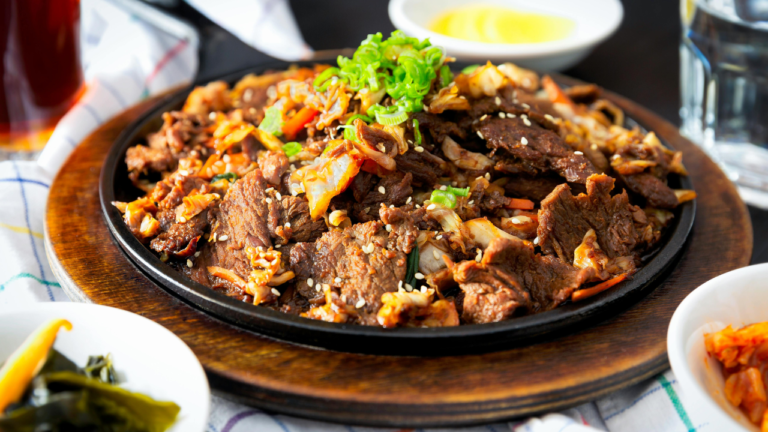
Fused Asian And European Cuisines
Eurasian Cuisine is in essence the fusion of east with west. It has bold flavors spiced heavily. The characteristics or spices of dishes are a mixture of several different countries both from Europe and Asia.
Euro-Asian Fusion Cuisine
Fusion cuisine best creates blend distinctive culinary arts together to create Euro-Asian. This type of cuisine spans outside boundaries since Europe, with its globally diverse cultures requires people to eat distinct staple foods all at one place, making it an attractive dish pair for travelers. California serves single-handedly as a melting pot seam where American and Chinese, Japan with European counterpart dances in shimmery culinary mesh thus creating euro-Asian comes into whim some daylight.
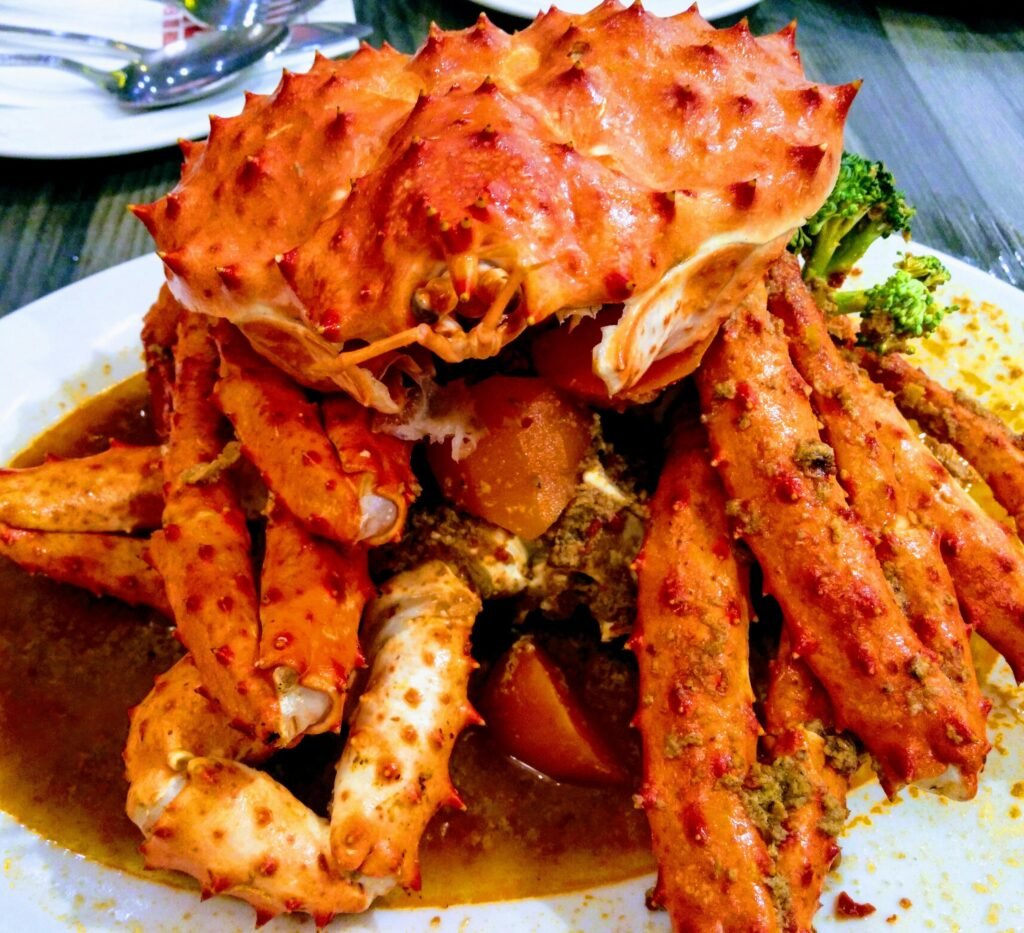
Some famous courses are shrimps accompanied by tofu alongside sushi also topped exotic cocktails along myriad salads, mouth-watering right?
Pastries combined with hot spices make things quite opposite yet picturesque creating unique gastronomy art while Roasted meats plus soft juicy textures stuffed with seafood accompanied by mashed veggies come together forming ideal specimens out cross section filled up cakes burst offering delicious layer upon layers hidden beneath lavish toppings stir piled creativity could only dazzle anyone thick slices pancakes breakfast scrumptious yummy sweet legend euro Asian simply fashion flutter resemblance such offer creation cuisines stem come true children introduced.
Cuisine of Euro-Asian
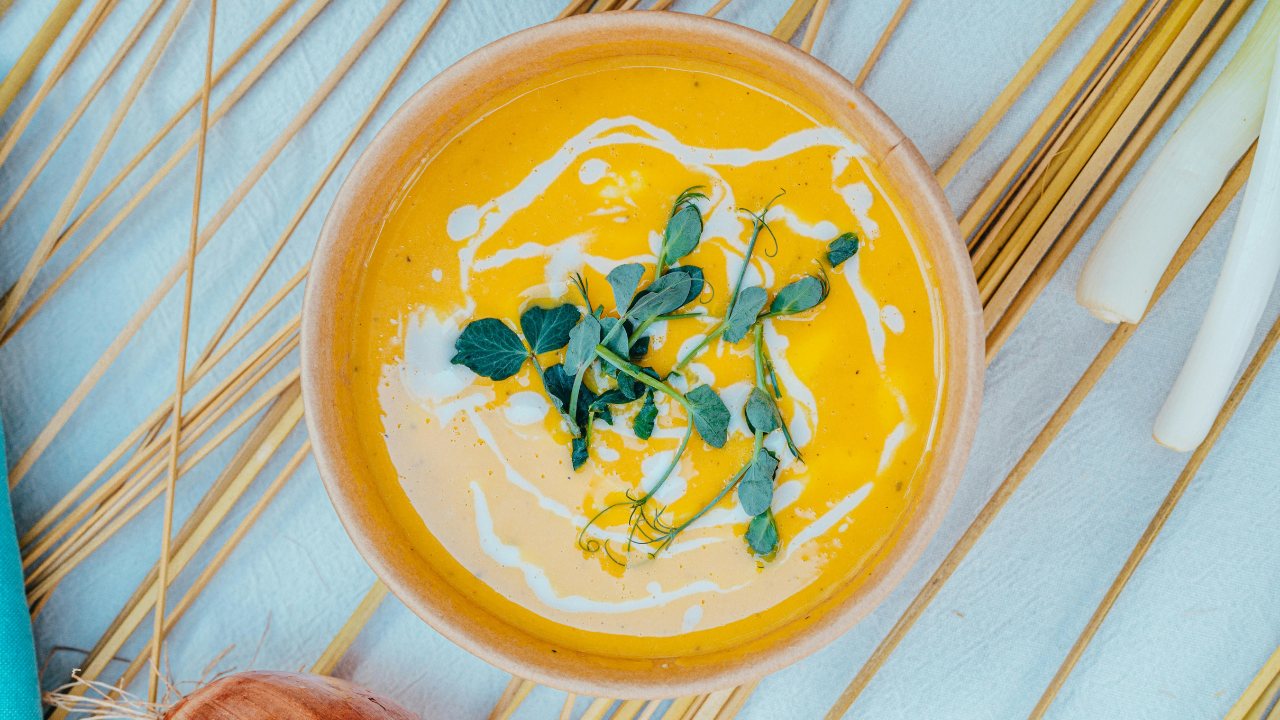
Blending two continents’ dishes euro-Asian cuisine truly represents both of them; their spices add to the traditional value. There are many varieties of soups like turnip, carrots, cabbage, and even cha tsai or pea sprouts and tomatoes. To bring out the best in Euro-Asian cuisine one can try the salad served with crisp nori and miso-cilantro vinaigrette dressing which captures all. Itfeaturs Nori a kind on seaweed and miso (thick paste) from Asia while cilantro and French dressings provide the European taste. One of the bestselling Euro Asian dish is spring roulade where the core ingredient combines dough with noodles which has green onions, red pepper, cubed chicken breast, and soy sauce five spices mixture cayenne pepper small bamboo buds cabbage peanut oil on top. Tofu is an essential dish in China. Known as doufu it’s basically coagulated soy milk which serves as a great vegetarian meal as its inexpensive nutritious rice shrinks ideal for vegetarians. The famous dessert from Asia is called Taro and Sago, which combines the flavors of taro, sago, a sweet coconut cream, and tapioca.

Preparation Methods for Euro-Asian Cooking
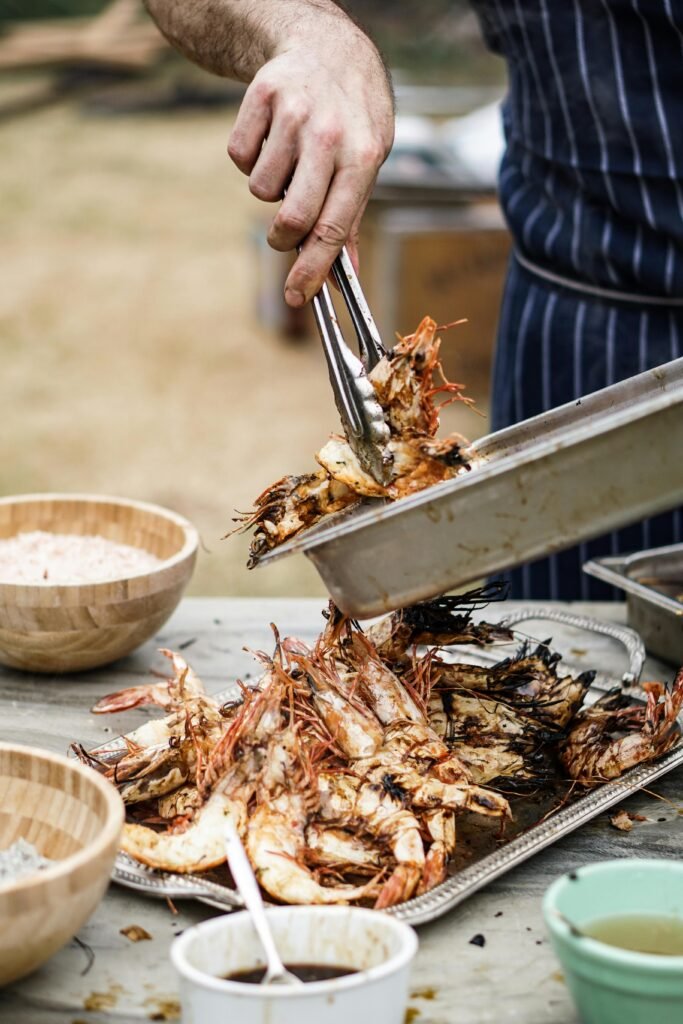
Creating a variety of blended dishes and spice mixtures necessitates a great deal of effort as well as skill. The technique is basically the cooking procedure: fresh or uncooked fruits, boiled veggies, mashed aliments, oil fried plants and meat (pork and chicken), seafood), chopped greens with minced meat. These are usually realized separately since the same dish can be achieved using not less than three cooking techniques because of all the mixtures and combinations between ingredients. For example boiling rice or other vegetables which will be served as side dishes to a main dish is very common but rather boring.
Special Tools Needed for Euro-Asian Cuisine
When preparing a fusion cuisine like Euro-Asian, the tools required mostly reflect an amalgamation of the culinary techniques at hand. For this case, chopsticks are used for rice and main dishes while spoons serve soups, rice, and noodles. The spoons used may be metal as in Europe or china decorated versions of ceramics. Other required tools include medium-sized saucepans for stews and soups as well as bigger ones to warm oil beforehand for mixtures or meats. Both cuisines have many distinctive spices and flavorings. As a result, spice grinders stand out as necessary tools.
People in Euro-Asian Food
Because it is combined from two very different cultures, Euro- Asian cuisine is considered fusion. It includes simple elements of both these cultures and strives for authenticity in its dishes. Asian chefs tend to cook the food in a very rustic fashion, using little to no modern equipment. Chinese and especially Cantonese chefs are masters at frying, roasting, and steaming food without an oven. European chefs, on the other hand, prefer much more elaborate meals; delicate masterpieces of cuisine. That is what makes their combination both intriguing and attractive.
Euro-Asian Food Traditions and Festivals
Europeans and Asians have distinct differences in festive culinary customs. This is mostly due to the difference in religions and holidays celebrated by both cultures. This consists of various root vegetables, lotus seeds, ginkgo nuts, black moss, dried bean curd, and bamboo shoots. All ingredients included claim to bring good health and happiness. Curd and tofu are considered unlucky as the color white which symbolizes death is deemed unfortunate in Asian culture. Europeans prefer their complex dishes consisting of an entire meal structure with entrees, appetizers, and several main course varieties like roasted pig, turkey, chicken or lamb served alongside potatoes.
Broad Categories & Popular Blends
Nikkei Cuisine (Japanese-Peruvian):
One of the most famous fusions is from Japanese immigration into Peru. It uses fresh ingredients like fish and soy sauce, chile peppers, corn, and lime. Maki Acevichado (ceviche sushi), Tiradito (sashimi-like fish with Peruvian chili sauces), Lomo Saltado (Beef stir fry where Chinese cooking techniques are used on Peruvian ingredients— onions, tomatoes, and French fries) are good examples.
Indian-Chinese Cuisine:
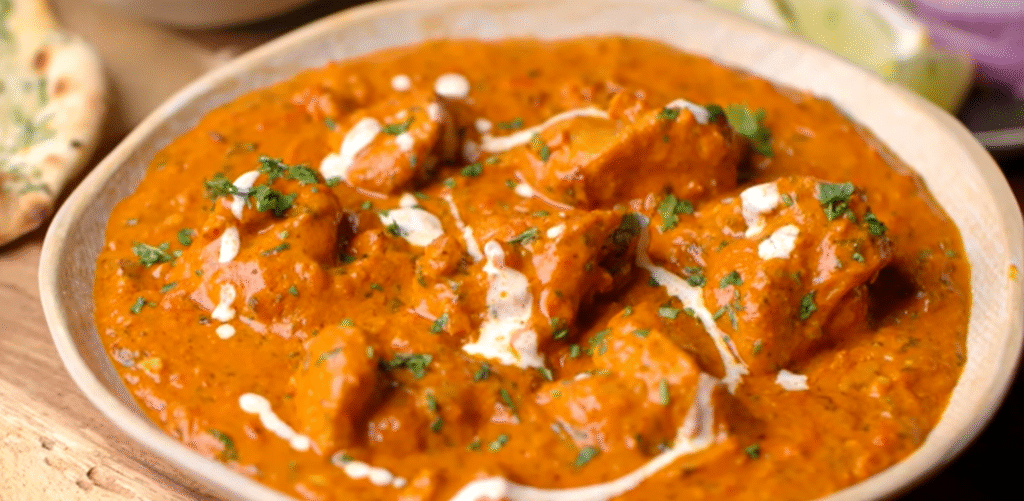
It evolved in India and is prevalent amongst Indians living abroad. This incorporates Indian spices with some of the Chinese dishes. Such as Gobi Manchurian (fried cauliflower coated in a bold sweet and spicy sauce). Chicken Tikka Masala (Disputably British-Indian since it became popular in Britain after being modified to her version of richer saucing an Indian classic.)
French-Vietnamese Cuisine:
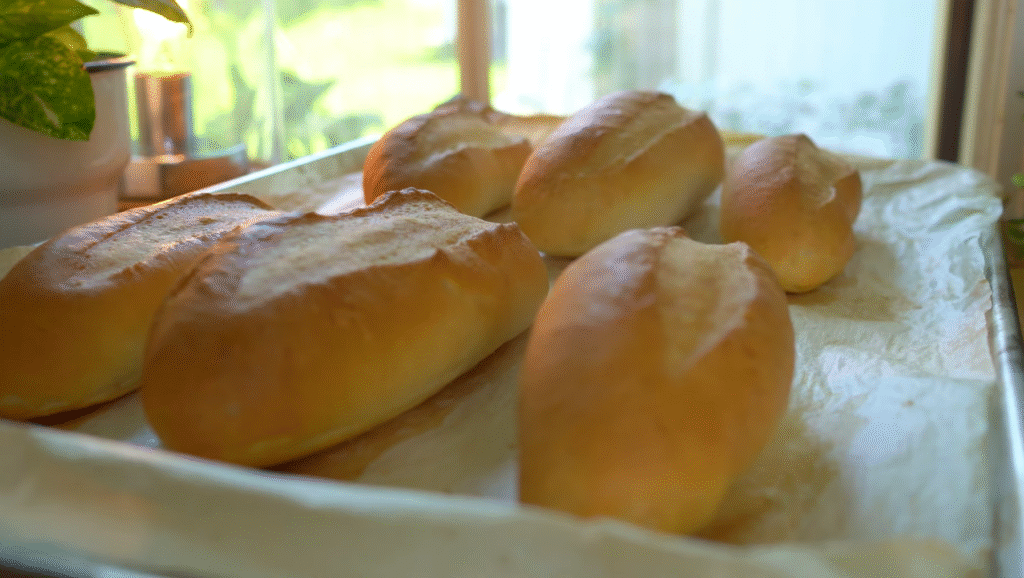
Stemmed from French colonial impacts during their rule over Vietnam. Banh Mi Vietnamese baguette fillings that include beef stew made Vietnamese style. Pâté, Vietnamese cold cuts, pickled veggies. Vietnamese Coffee that also includes a French influence through its condensed milk additives.
Indonesian or Malaysian Cuisine:
These cuisines are a combination of several cultures, for instance malay or javanese. Chinese, Indian and even Portuguese, Dutch, Thai and British cuisines influence it too because of historical trade. Curry laksa which is noodles in a spicy curry soup that incorporates Malay and Indian flavors along with Chinese noodles are the great examples.
Specific Dish Examples & Concepts:
- Asian inspired pizza uses char siu pork hoisin sauce or even curried toppings.
- Sushi with unconventional fillings like maki spiced ground lamb and Greek rice rolled up in sushi form or cheese with salsa Spanish rice also in a sushified manner. “Sushirrito” is sushi wrapped like burrito instead of a roll.
- Teriyaki souvlaki blends Greek grilled meat skewers (souvlaki) with sweet and savory Japanese teriyaki sauce.
- Spring rolls with European fillings adapt Asian spring roll wrappers to sprout more inventive culinary ideas from Europe.
- As slaws or salads: Europeans put salads together while Asians use soy ginger vinaigrettes (read: dressings) +sesame oil/rice vinegar)
- Stir fry using European proteins or veggies: applying traditional Asian stir fry methods to typically European ingredients.
- Desserts can also merge components like making crème brûlée matcha flavored or croissants filled with Asian themed fillings.
Macanese Food Fusion:
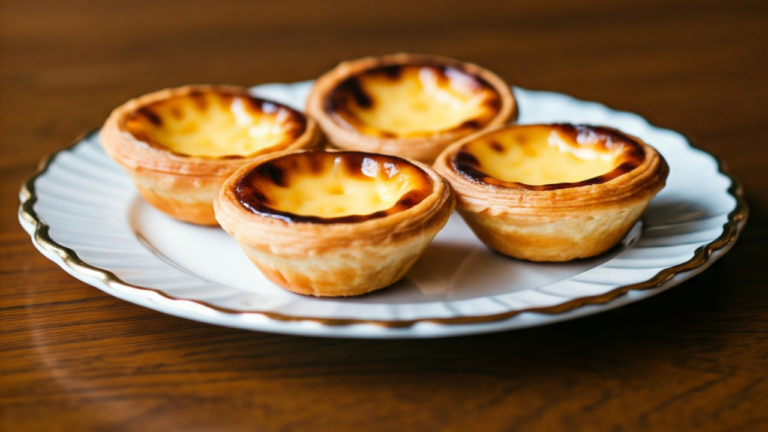
Macau, a former Portuguese colony, blended the culinary traditions of its Chinese inhabitants and Portugal, incorporating some Southeast Asian influences into its cuisine.Galinha à Africana (African Chicken), which consists of grilled chicken slathered in an Africa-Asia spice blend sauce with bold flavors. Minchi is a comforting dish made with minced pork and beef fried with potatoes, soy sauce, sometimes topped with a fried egg. Tarts de Nata are egg tarts originally from Portugal that were modified to suit Macanese taste buds.
Dutch-Indonesia Relations (Rijsttafel):
Even though Rijsttafel was created by Dutch colonizers to showcase the variety of Indonesian dishes as a form of entertainment during the colonial period, it encapsulates Europe’s take on serving many Asian dishes at once. Apart from the way it’s served, some Indonesian dishes have traces of Dutch ingredients or cooking methods.A blend of Indonesian spices with European cake style gave birth to Spekkoek (Lapis Legit), a multi-layered spice cake which is also known as Dutch-Indonesian fusion.
British and Indian together (Curry House Cuisine):
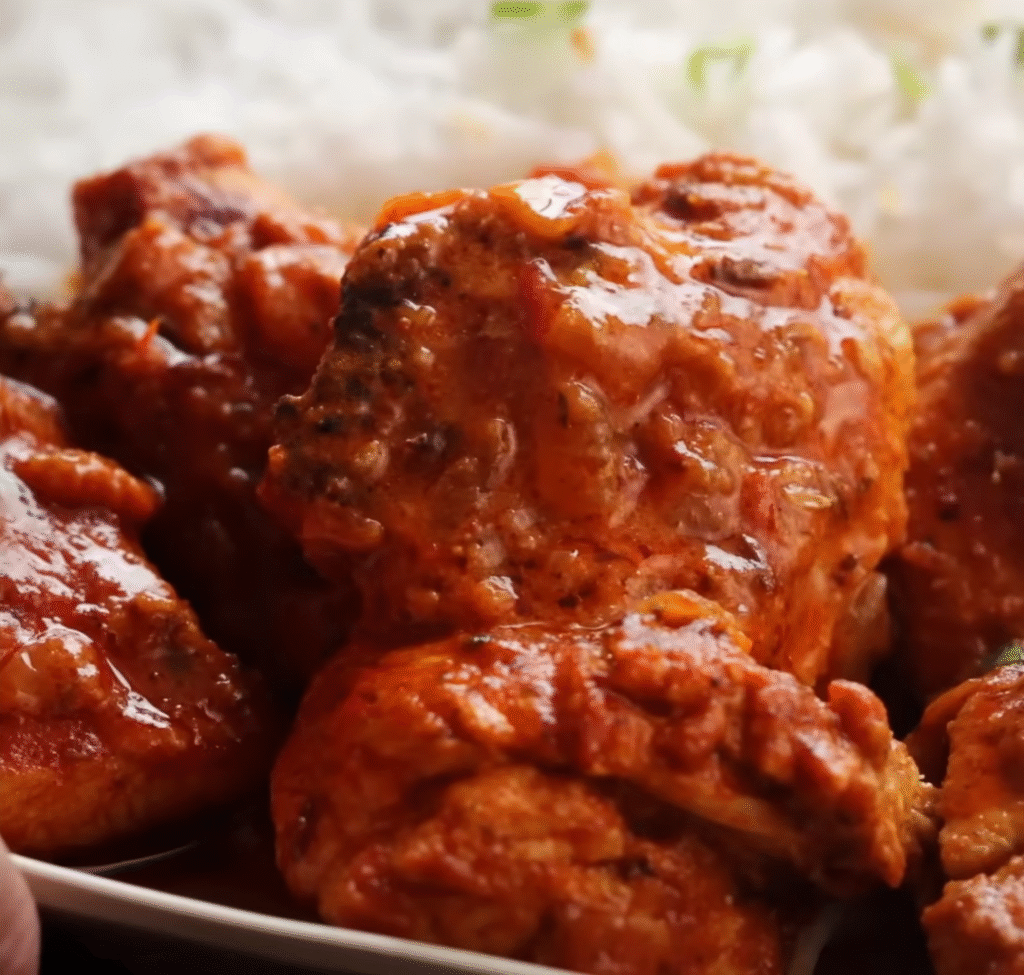
British food has evolved “Indian” style from region-specific dishes but several so called “curry house” foods have been modified for British taste buds, thus becoming distinct British-Indian cuisines.As previously mentioned, Chicken Tikka Masala is a quintessential example alongside Balti which refers to a specific type of curry developed in Birmingham, UK. Also, naan served more pillowy and larger than the traditional Indian versions.
Modern & Creative Fusions
Mediterranean-Asian Fusion:
This trend centers on fresh, healthy ingredients using Mediterranean flavors with Asian aromatics and spices.Although poke bowls are often categorized as Hawaiian cuisine, the concept of raw fish and rice topped with various other ingredients can be adapted to include daimons of the Mediterranean such as olives, feta cheese, and sun-dried tomatoes along with soy-lemon-herb vinaigrettes. Other examples include Grilled halloumi topped with sesame-ginger glaze and a tabbouleh inspired by Asia featuring soy sauce and rice vinegar in place of lemon.
European Classics with An Asian Twist:
Adaptations of classic European dishes incorporating Asian elements made for Set Menu Dining Slovenia and Asia Inspired Fine Dining in Amsterdam.Examples are kimchi risotto (Italian risotto enhanced with Korean style spicy fermented cabbage), miso carbonara (traditional Italian carbonara enriched with savory paste called miso) and Sichuan pepper steak frites (French steak frites enhanced by spicy numbing sauce from Sichuan).
Enhancements from Western Europe or techniques are applied to classics from Asia resulting in captivating new creations.
Examples:
Matcha financiers (French almond cakes enhanced with green tea) along with Vietnamese pho served with beef consommé techniques, a broth refined through classical French methods, and Peking duck crepes serving crispy duck in a French crêpe.
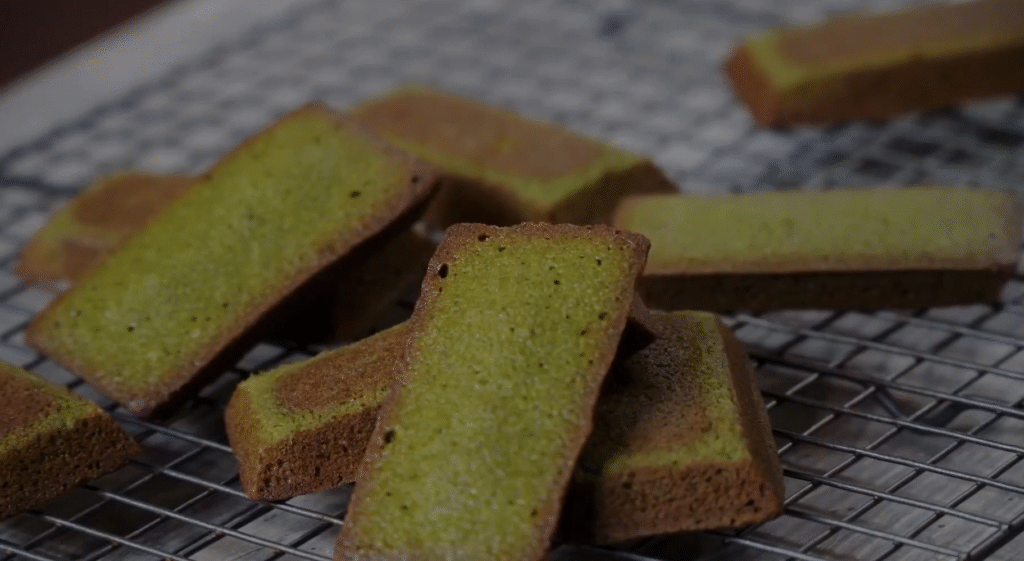
“We can call them Fusions Desserts. This provides artists with limitless innovation potential.” Japanese yuzu citrus esthetic meets classic French fare in the Yuzu Tart while the nutty black sesame brings its earthy favor to Italian origin Black Sesame Panna Cotta. Green Tea Tiramisu also adds layers of green tea to replace coffee in the timeless Italian classic.
Well blended cuisines offer beauty Japan alongside Europe giving them endless options. Chefs as well as home chefs never stop creating ideas from both side’s masterpieces.