Hottest Food Trends In 2025 | A New Era Of Food And Drink Innovation
In 2025, the food sector is expected to experience another wave of clear innovation alongside sustainability due to the ever-evolving consumer demands. The way we eat will not only involve bold global flavors but also sustainable and health-centered foods, making the experience more delightful and convenient. This aims to help meet the demand for plant-based and lab-grown foods as well as personalized nutrition and experiential dining.
Hottest Food Trends 2025, That are Booming in the World
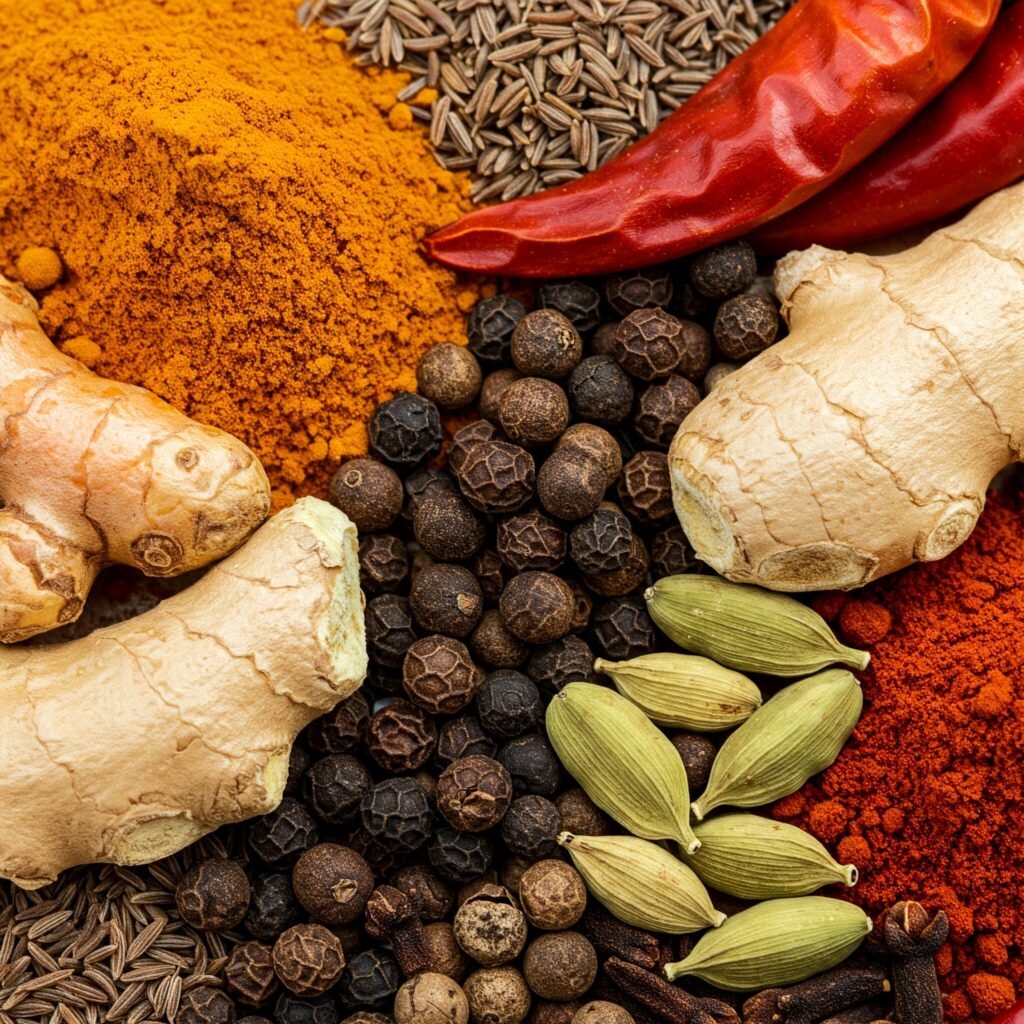
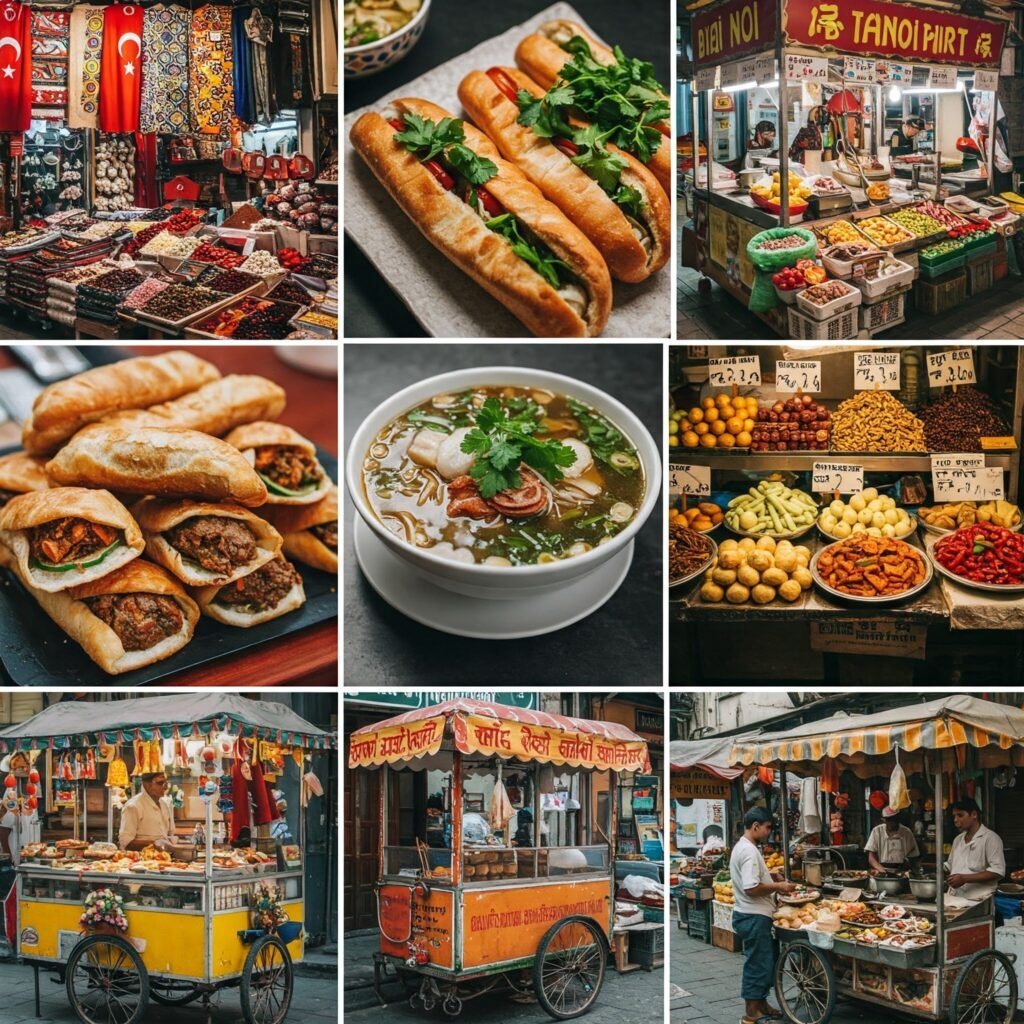
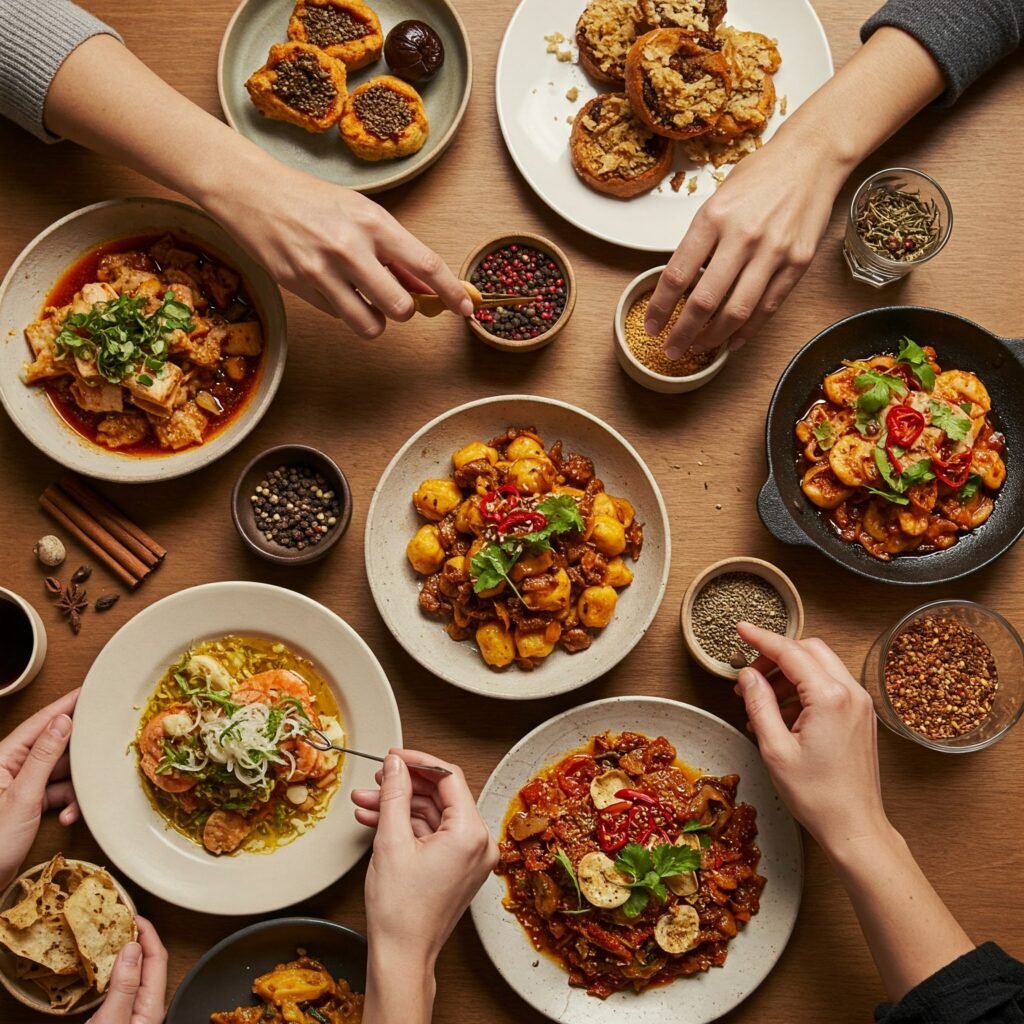
Ethnic Fusion & Global Flavors:
- Trend: There is a surge in demand for globally inspired cuisine, with 58% of people expressing interest in trying fusion. Consumers are becoming more adventurous in trying new things. Expect more diversity in culinary practices.
- Impact: A lot of people are shifting towards Caribbean barbecue, Middle Eastern spices, and Korean cuisines, which are heavily influenced by social media and food delivery apps.
- Key Insight: Culinary specialists are blending bold and unique ingredients from all over the world.
If you want to see or buy quality Barley Flour click right here.
Plant-Based Evolution:
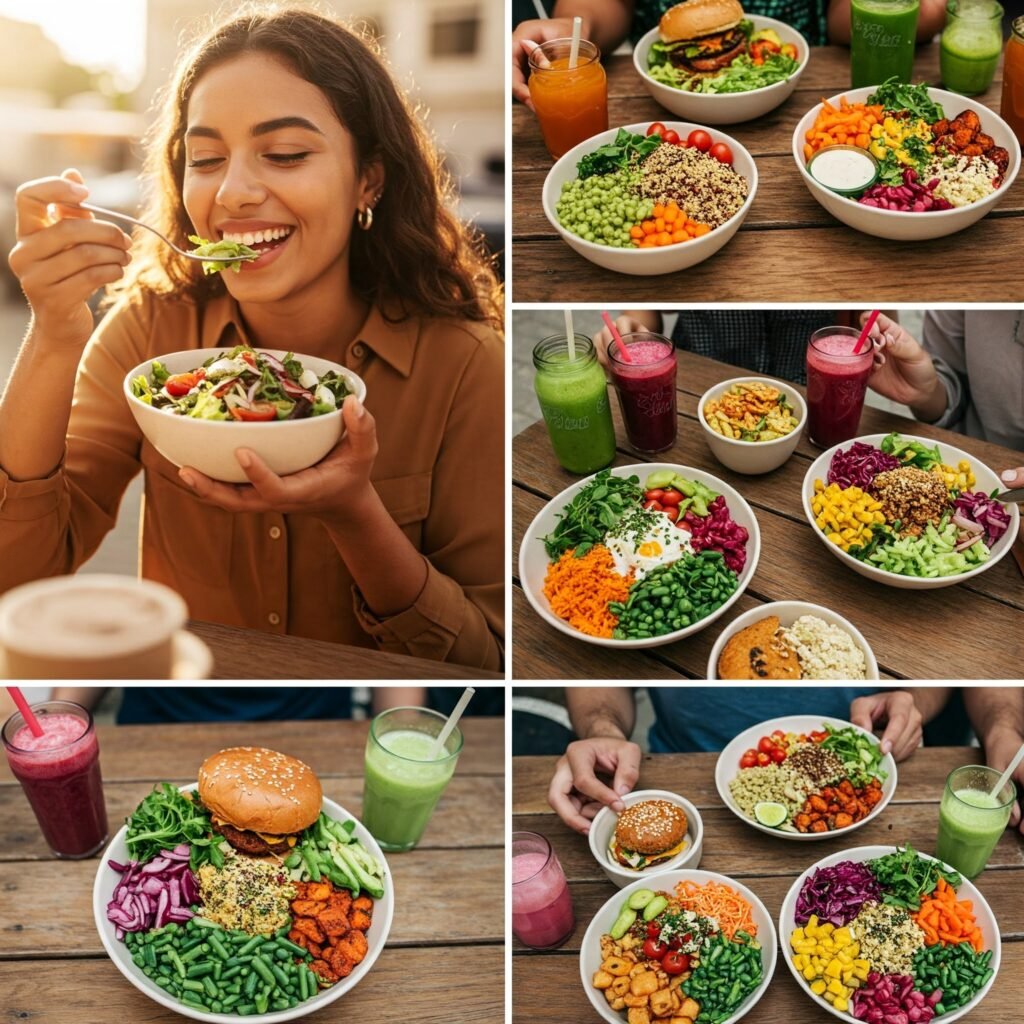
- Trend: The plant-based movement is growing rapidly with many innovations. This is mostly due to improved methods of making plant-based meats, dairy, and seafood in terms of taste and texture.
- Market Growth: The plant-based food industry is expected to grow to $74.2 billion by 2027 (Good Food Institute).
- Consumer Demand: 65% of Gen Z would like to incorporate more plant products into their diet because of the environment and personal health (Whole Foods Market report).
- Impact: Introducing plant-based options into food systems is becoming the norm due to the focus on health and sustainability.
If you want to see or buy quality Buckwheat Flour click right here.
Lab-grown Foods:
- Trend: Cultured meats and dairy products are becoming increasingly popular as sustainable and ethical options.
- Market Potential: The cultivated meat industry has the potential to reach $5.1 billion by 2025.
- Impact: Greater access to lab-grown food alternatives in the mainstream market.
Functional Foods & Mindful Eating:
- Trend: There is a growing interest in foods containing additional health benefits such as probiotics, prebiotics, adaptogens, and superfoods.
- Market Growth: The functional food market was valued at 177.77 billion in 2020, with growth expectations (Grand View Research).
- Health Focus: There is a high demand for foods fortified with probiotics, adaptogens, and other substances that promote a healthy gut and mental clarity.
- Wellsness Market: The global wellness market that integrates mindful eating was valued at over $1.5 trillion in 2023, with a projected growth rate of 5-10% annually.
- Personalized Nutrition: Personalized nutrition is expected to increase towards $16.4 billion by 2025.
- Growth Rate: The functional foods market is expected to grow by more than 9% annually until 2028.
If you want to see or buy quality Quinoa Flour click right here.
Cooking with Upcycled Ingredients:
- Trend: The zero-waste cooking phenomenon is a part of the broader sustainability movement where consumers and businesses aim to utilize every single part of the ingredient.
- Food Waste: The yearly food waste globally is around 1.3 billion tons (World Wildlife Fund).
- Upcycled Market: The Upcycled Food Association projects that the market for upcycled foods sits at $46.7 billion and grows at 5% yearly.
- Impact: By using byproducts of food manufacturing processes, upcycled ingredients are changing the perception of waste.

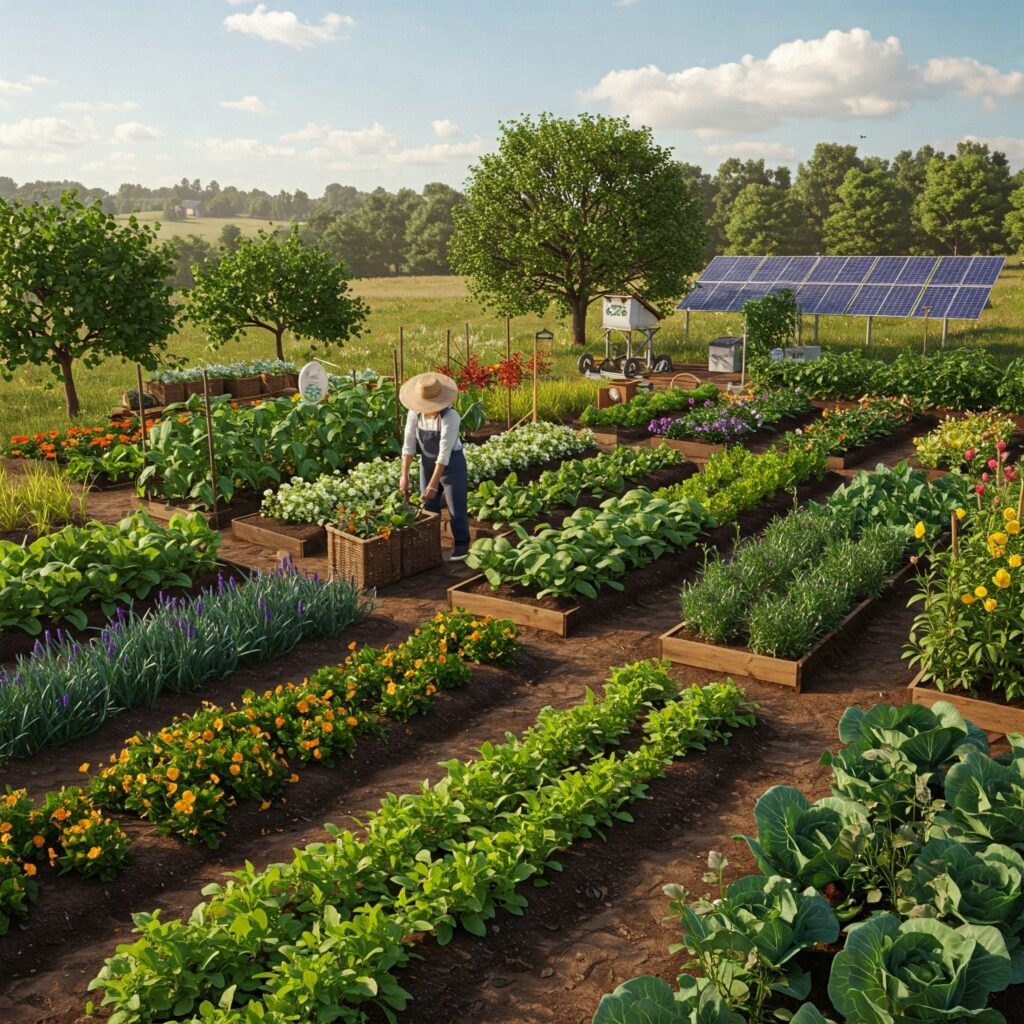
Regenerative Agriculture & Hyper-Local Sourcing:
- Trend: Regenerative agriculture is concerned with restoring soil and biodiversity health.
- Impact: “Generatively farmed” products have very likely positive impacts on climate change.
- Hyper-Local: Sourcing is expected to become more prevalent, including rooftop gardens, urban farms, and in-house hydroponics.
If you want to see or buy quality Millet Flour click right here.
Alternative Flours & Grains:
- Trend: Increasingly popular are alternative flours and grains such as teff, amaranth, and cassava.
- Market Growth: As reported by Grand View Research, the alternative flours market is projected to hit $35.24 billion by 2028.
- Impact: These will create new textures and flavors while supporting biodiversity.

AI and Automation in Food Prep:
- Trend: From recipe creation to cooking, AI and automation are sweeping the entire food industry.
- Market Growth: AI in the food and beverage sector alone is anticipated to hover around $30 billion by 2025.
- Cloud Kitchens: Cloud/Ghost kitchens with virtual brands are growing. Euro Monitor has put their estimate for a global market at $1 trillion by 2030.
- Tech Integration: Technology improves efficiency and personal attention on service delivery, as with AI meal suggestions and automated order systems.
If you want to see or buy quality Graham Flour click right here.

Experiential Dining:
- Trend: Restaurants are implementing interactive elements and storytelling into their immersive dining experiences.
- Consumer Preference: 75% of millennials are more likely to spend on an experience than a product (Eventrite).
- Impact: Multi-sensory touch and feel approaches are becoming essential in dining out.
Eco-Conscious Packaging and Sustainability:
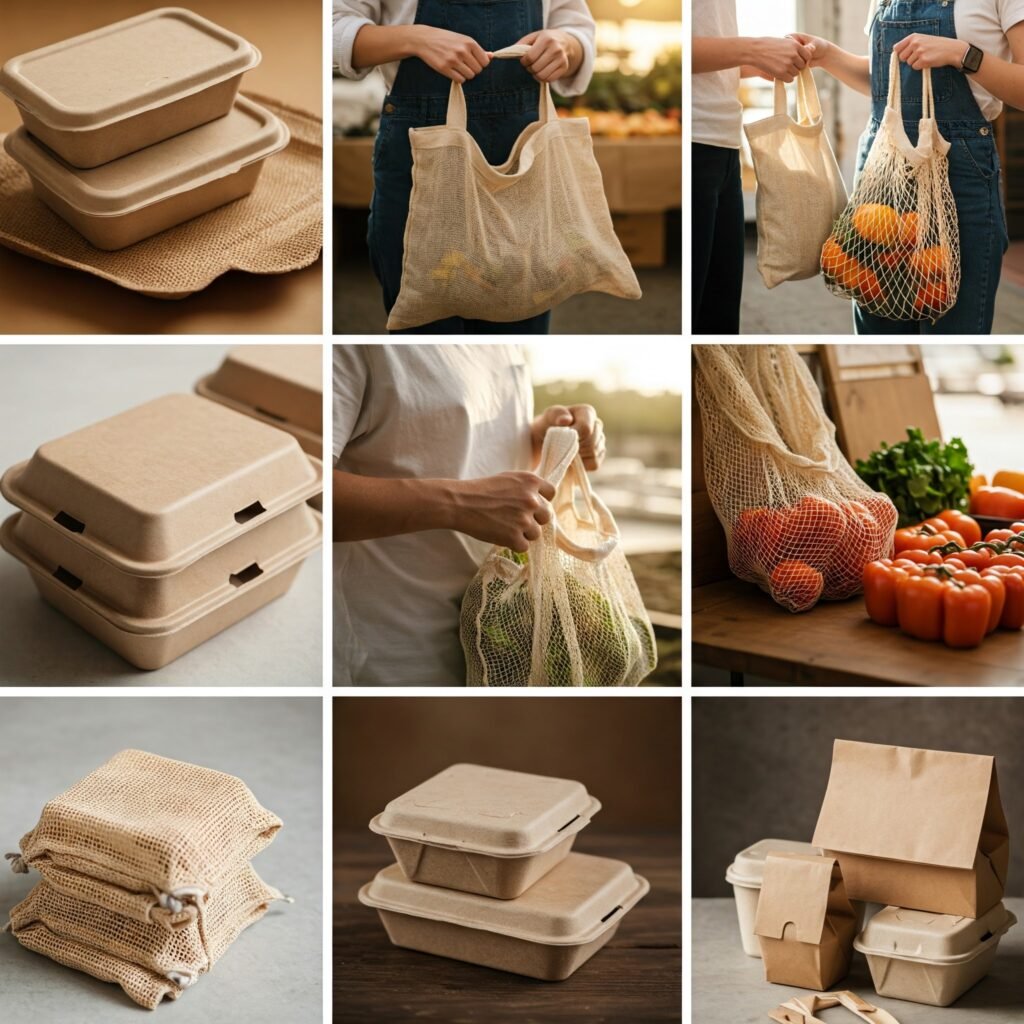
- Trend: Sustainability continues to be the focus with consumers actively opting to engage with brands that have eco-friendly packaging.
- Consumer Preference: 70% of respondents analyzed prefer engaging with brands that have sustainable packaging.
- Impact: The industry is gravitating towards compostable, recyclable, and reusable packaging materials.
- Zero Waste: Initiatives commonly referred to as “zero waste”, such as composting and recycling, are on the rise.
- Key Insight: Sustainable development is still a driver of consumer choice when dining out as people seek to opt for green alternatives.
Trends That Evolving Nutrition Facts
There are major nutrition-related changes set for 2025. Trainers and nutritionists are focusing on diet modifications centered on holistic health, environmental factors, and individualization.
Remains a Pro’s Protein:
- Focus: The typical trend for macronutrients seems to be driven by muscle retention, which leads to growth in protein usage.
- Future Developments: Expect to see “inventive” sources such as lab-grown meat and cultivated plant proteins popping up due to sustainability concerns.
- Principles of Wellness: Primary conversation revolves around protein quantity, shifting towards quality, prioritizing gut health, and personal dietary preferences.
- Balance: Some nutritionists are reminding others not to forget the need for a healthy intake of fruits, vegetables, and whole grains in addition to protein.

If you want to see or buy quality Mozzarella click right here.
Explosion of Basic Non-Alcoholic Beverages:
- Trend: There is a growing awareness of the health implications linked with drinking alcohol, causing a decrease in consumption, especially among younger populations.
- Alternative: Simple alternatives like sparkling water, functional teas, and other beverages with added benefits like electrolytes or adaptogens are garnering preference over complex mocktails.
- Social Mocktails: Mocktails, when consumed, are done in social settings, usually enhanced with healthy botanicals.
- Practicality: Convenience and practicality are the main concerns.

See Non-Alcoholic Beverage Recipe:
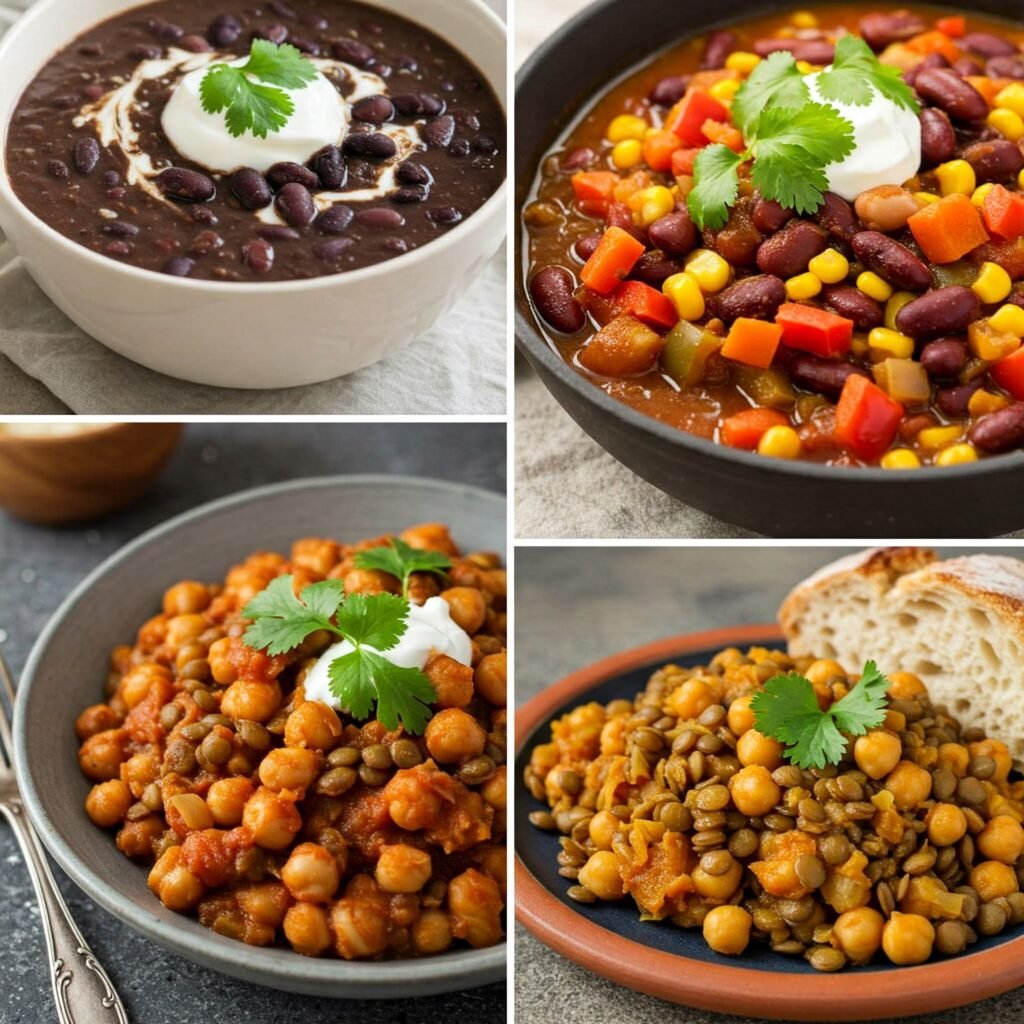
An Advocacy for Beans and Legumes:
- Recommendation: The USDA’s advisory committee suggests that beans and lentils should be increased to at least 2.5 cups weekly.
- Substitution: There is an initiative to replace red and processed meat with beans and to use legumes (beans, peas, lentils) as the primary source of protein.
- Health Community Focus: Although the public has not adopted this shift, the health community has been advocating for it.
If you want to see or buy quality Parmesan click right here.
Customized Nutrition Steps Into The Spotlight:
- Trend: Diet plans that revolve around genetic test results, microbiome assessments, and even analysis from wearables are becoming more available.
- Optimization: Individuals improve their health outcomes by meeting specific needs such as sleep quality or chronic condition management.
- Cost Factor: One of the possible downsides is that these services are expensive, which may limit people’s ability to access them.
- Individual Needs: Far more people acknowledge that the proposed solution to nutrition is not one.

Timing Is very important so keep checking or set your alarm.
An Extended Perspective on Processed Foods:
- Shift: The notion of “clean eating” has changed; it is shifting towards considering food processing as a continuum rather than dichotomous categorization.
- Integration: An emphasis on non-whole foods is viewed as an essential component of a healthy diet.
- Education: Nutritionists wish that people would come to understand that not all processed foods are the same.
Biohacking and Supplementation:
- Trend: Biohacking, or the act of making small changes to one’s behavior or health habits to enhance performance, is on the rise.
- Supplement Use: This refers to the increased use of high-dose vitamins and specialty supplements.
- Caution: Patients should be advised not to start any new supplementation without first speaking to their doctor.

If you want to see or buy quality Parmigiano Reggiano click right here.
A Return to Natural Health Approaches:
- Counter Movement: There’s also bio hacking, which is a trend to lean towards the more natural side of health.
- Simplicity: Whole foods, traditional strength training, and outdoor activity are two more accessible and less reliant on modern supplement technology.
- Lean and Functional: Achieving a ‘lean’ and ‘functional’ body can be done through straightforward, uncomplicated methods that are natural.

Hottest Restaurant Food Trends for 2025
Restaurant businesses are expected to undergo rapid transformations in the year 2025, driven by consumers’ preferences, sustainability focus, and modern technology.
Hottest Places To Hit Up:
- Bakeries In New York
- Restaurants In New York
- Restaurants In Los Angeles
- Europe’s Foodies Destinations
Global Flavors & Fusion Cuisine:
- Trend: The dominance of global flavors stems from eagerness for diverse culinary experiences.
- Influences: Caribbean spices, Middle Eastern, and South American are too prominent.
- Innovation: Seaweed, ginger, and chili are some of the new exotic ingredients being embraced by restaurants.
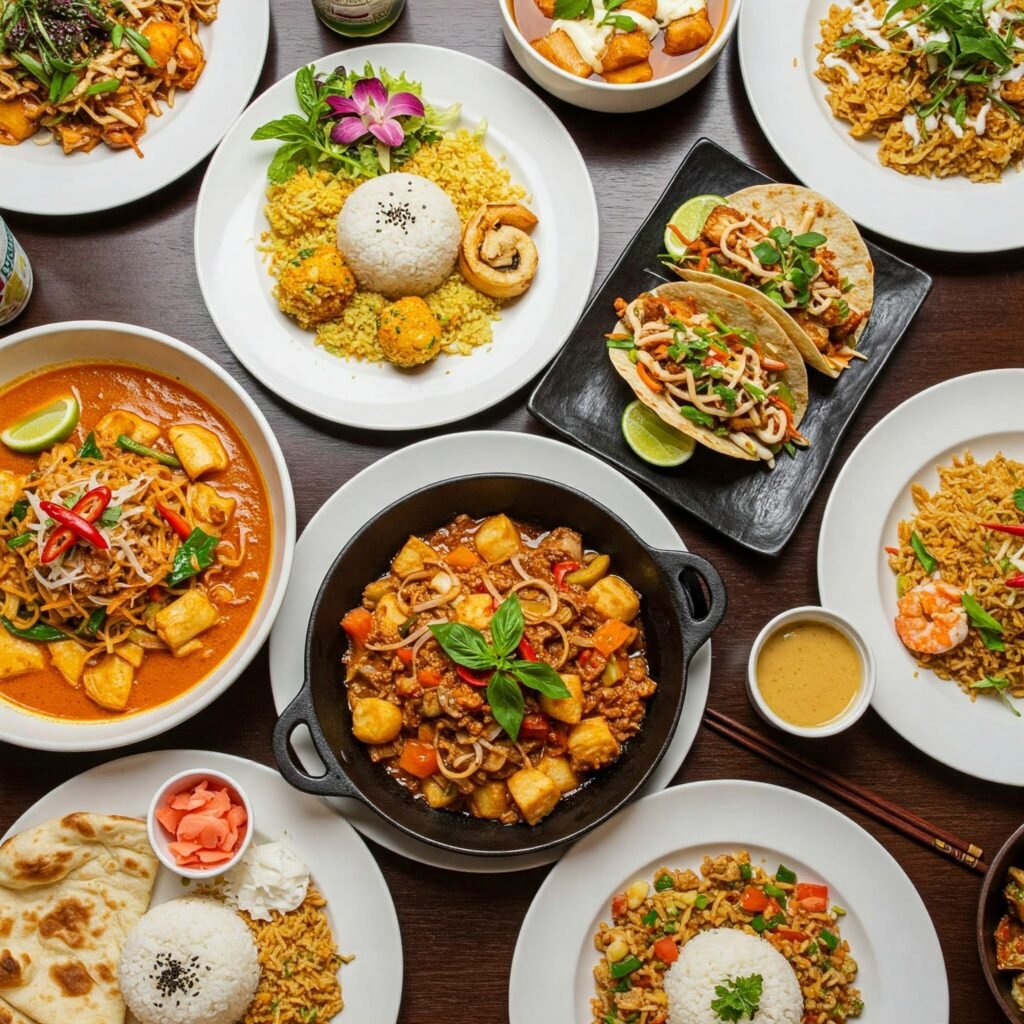
- Fusion Cuisine: New cuisines and dishes are being created by blending flavors and techniques from different cultures.
Functional Foods:
- Impact: Social media gives attention to dishes from far and wide, and chefs are incorporating them into fusion cuisine.
- Ingredients: Consumers admire the healing sea moss, ginger, and seaweed provide, especially regarding gut health and wellness.
- Benefits: These foods aid digestion, bolster the immune system, and strengthen overall well-being.
- Accessibility: Functional foods can now be found in more places, including supermarkets and high-end restaurants.
- Marketing: Influencers and chefs use social media to promote the advantages of helpful food.

Strain:
Fusion encompasses many aspects of different cuisines and has become a global movement.
- Sourcing: Consumers prefer to purchase food products that are locally produced and have undergone sustainable practices.
- Waste Reduction: Instead of incorporating fixings, the focus is placed on eliminating waste.
- Data: Only 15.7% of unused food in US restaurants gets recycled or donated, while the rest is deemed trash.
- Social Media: The internet attests to the need for people and businesses to go green.
Sustainability:
- Trend: This is a new social phenomenon, often defined as a lifestyle choice.
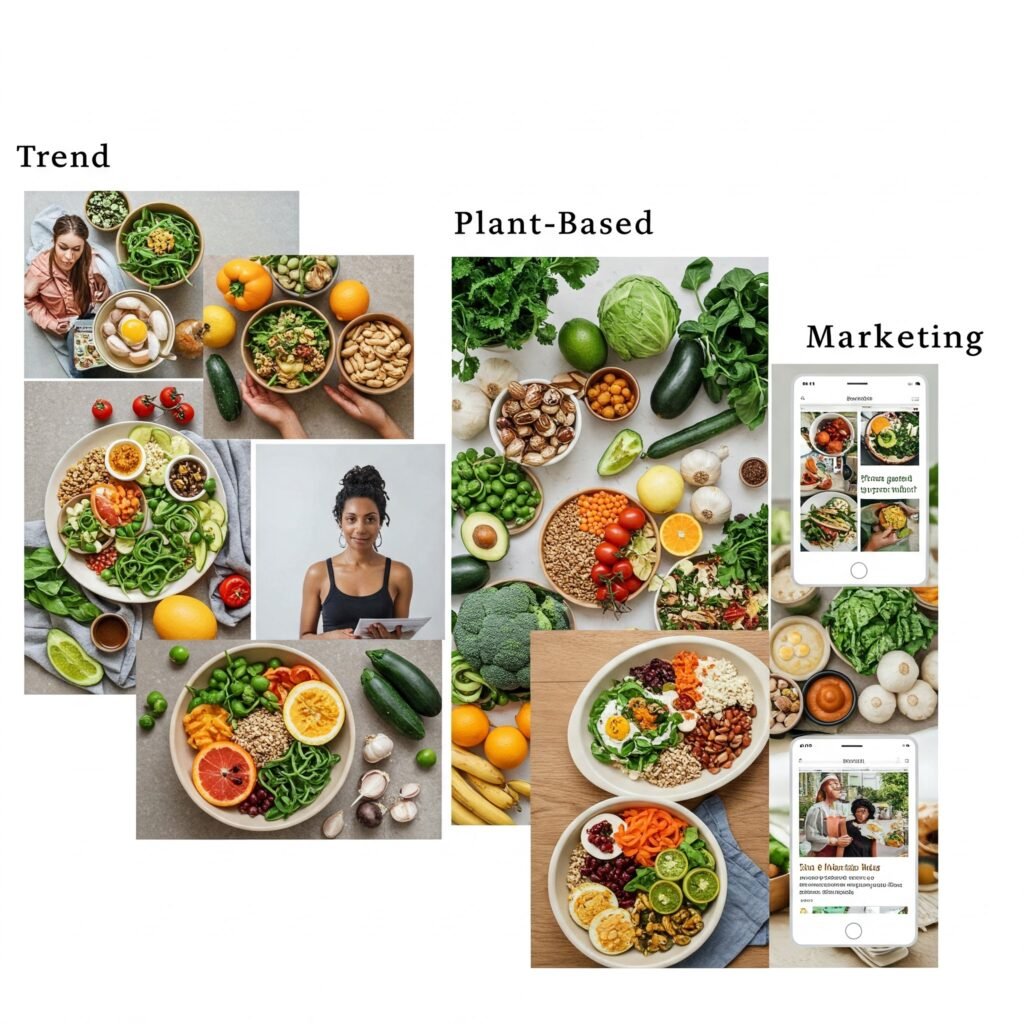
- Plant-Based: There is a rising popularity of foods derived from plants, which serve as a sustainable substitute to animal products.
- Marketing: Social media marketing, influencer marketing, and traditional advertising highlight set the new norm for modern cuisine.
If you want to see or buy quality Goat Cheese click right here.
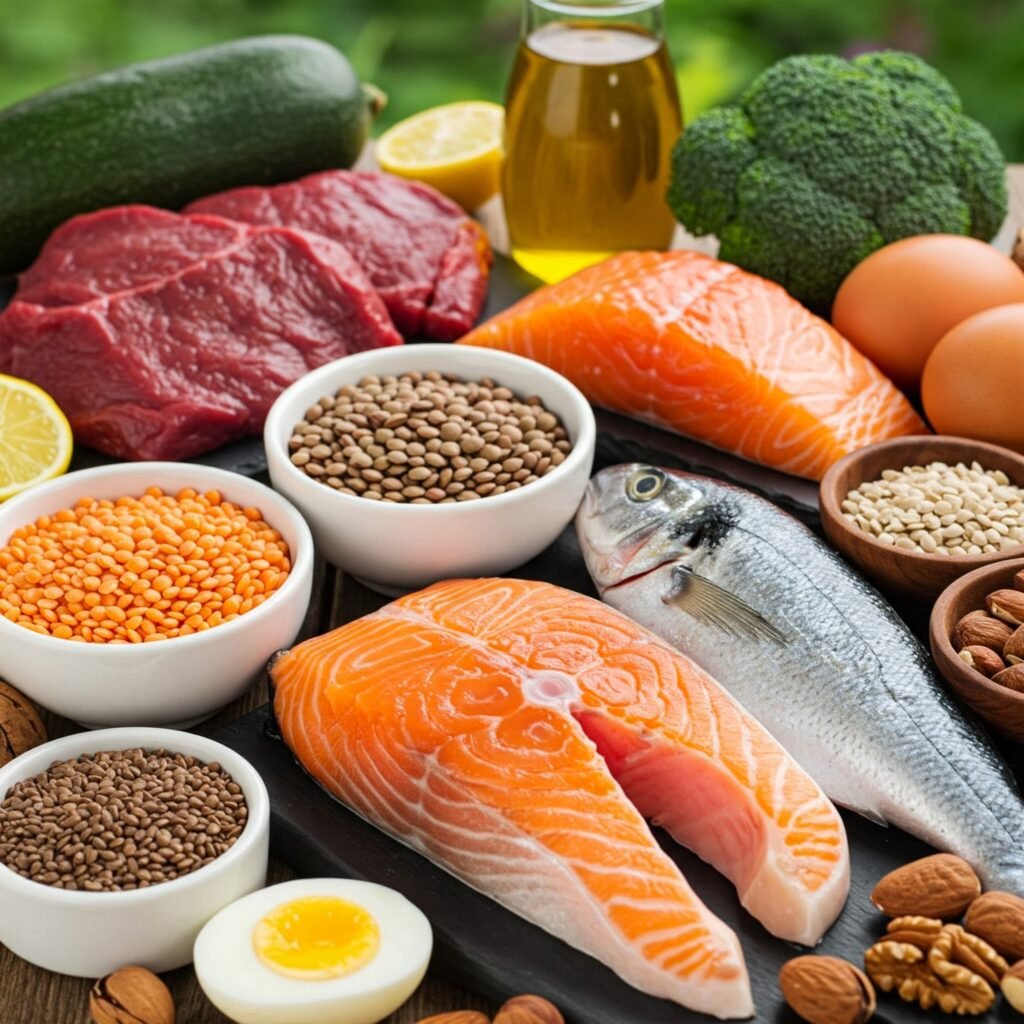
High-Protein Foods:
- Trend: People have begun paying more attention to the amount of protein they consume and are focusing on whole foods.
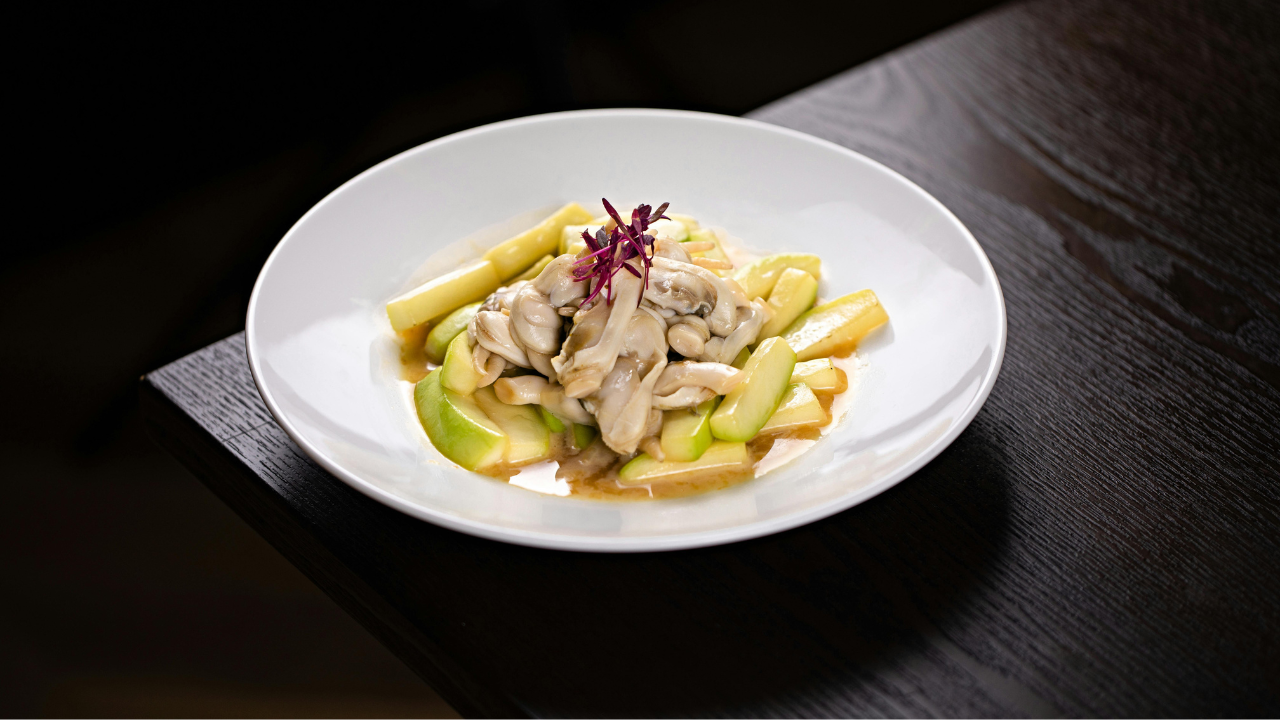
- From Above: Shiitake mushrooms are a reputable source of protein, particularly for those on vegetarian diets.
- Shift: The market is seeing a decline in interest for protein powders and bars.
- Restaurant integration: Fine dining restaurants now use mushrooms and legumes as ingredients in plant-based dishes.
Textured Foods:
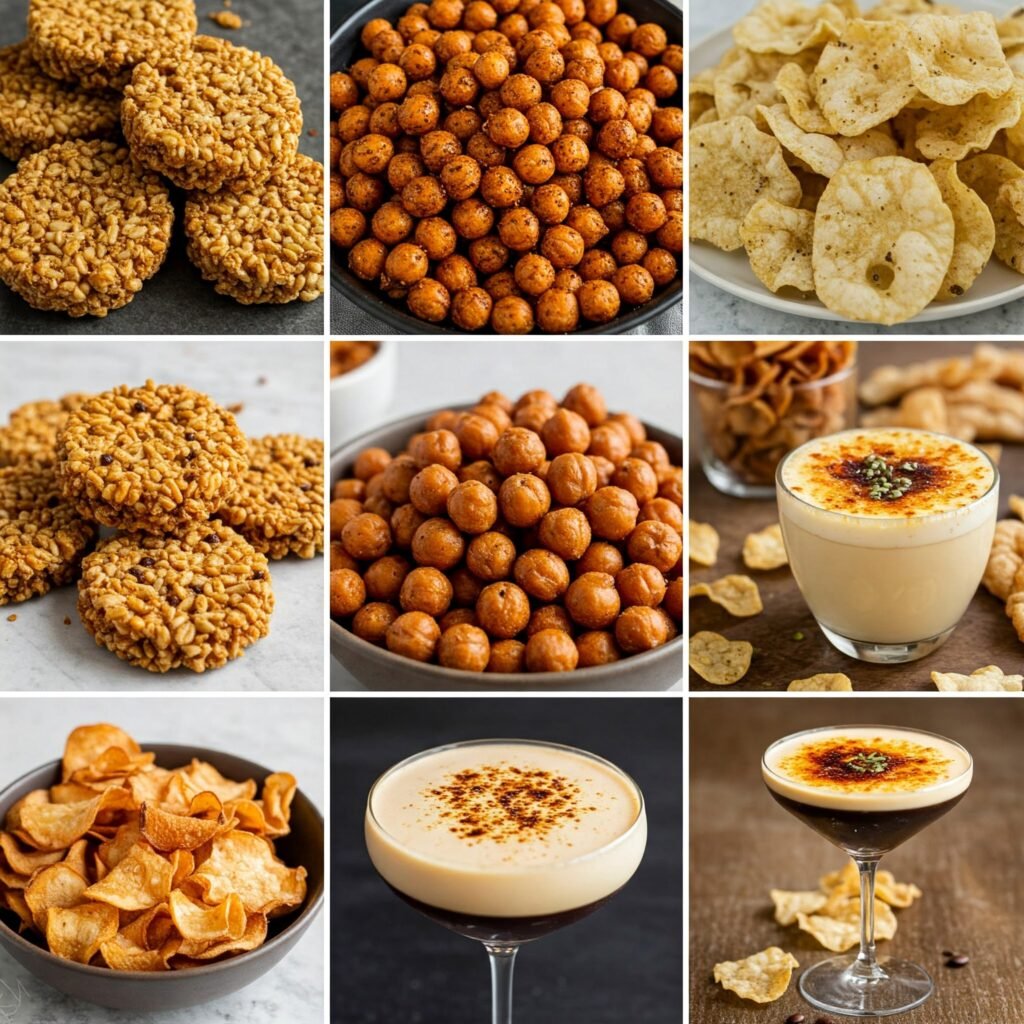
- Trend: Textured food has quickly become more popular, especially with the addition of crunch to these meals.
- Ingredients: Various foods such as crispy grains, roasted chickpeas, and mushroom chips are becoming more common.
- Innovation: More brands are making bolder versions of chili crisps and new seasonings.
- Applications: This also applies to beverages and desserts, such as crème brûlée espresso martinis.
If you want to see or buy quality Cottage Cheese click right here.
Plant-Based Options:
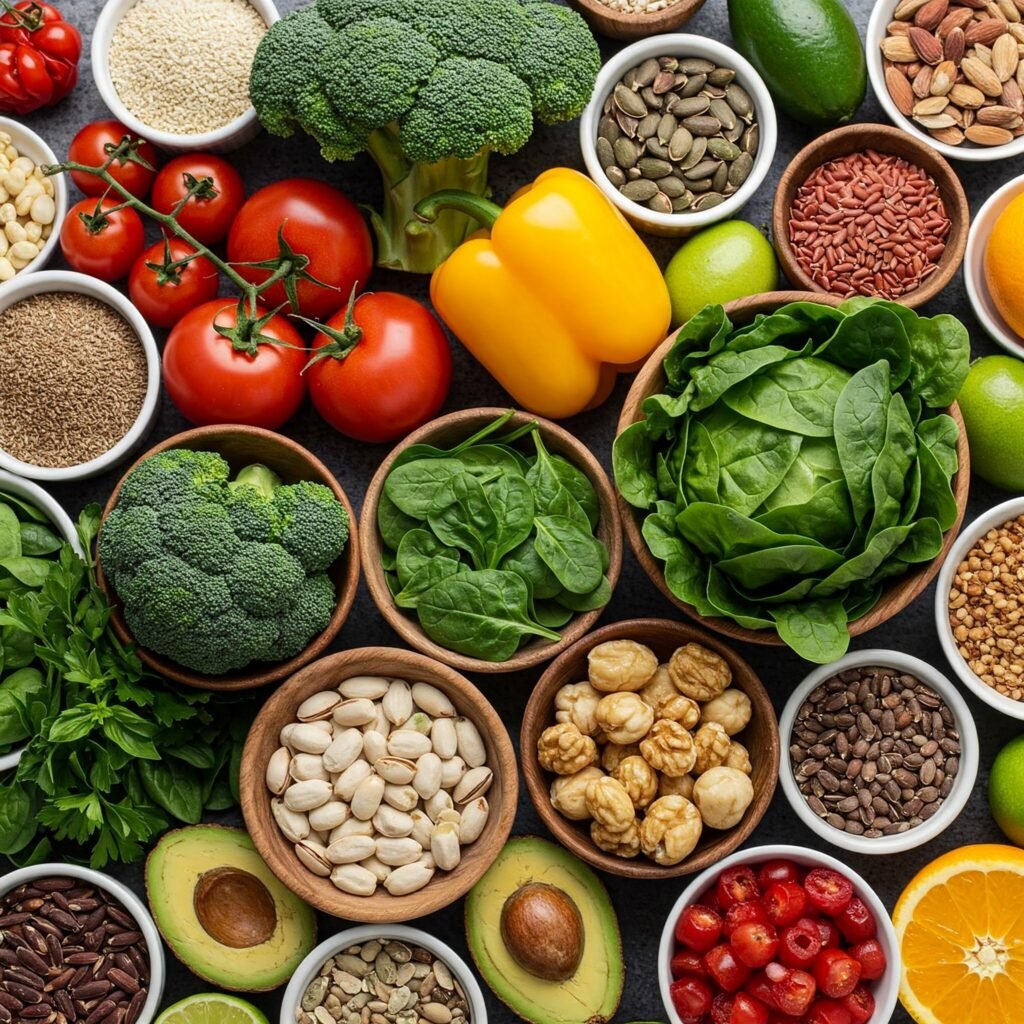
- Trend: More people are looking for healthier substitutes for animal-based products.
- Availability: There is a large supply of dairy and meats that are plant-based.
- Drivers: Consumers seeking nutritious and eco-friendly choices.
- Innovation: Companies are working on marketing plant-based foods to make them more appealing.
See More Vegetarian Fusion Cuisine
Non- Alcoholic Beverages:
- Trend: There is an increase in non-alcoholic drinks, especially among Gen Z teenagers.
- Options: These drinks include, but are not limited to, mocktails, nonalcoholic beers, and alcohol free spirits.
- Market Growth: Non-alcoholic drinks and spirits are predicted to rise significantly in demand.
- Inclusivity: These drinks are fun and inclusive to all.

Complex Spicy Flavors:
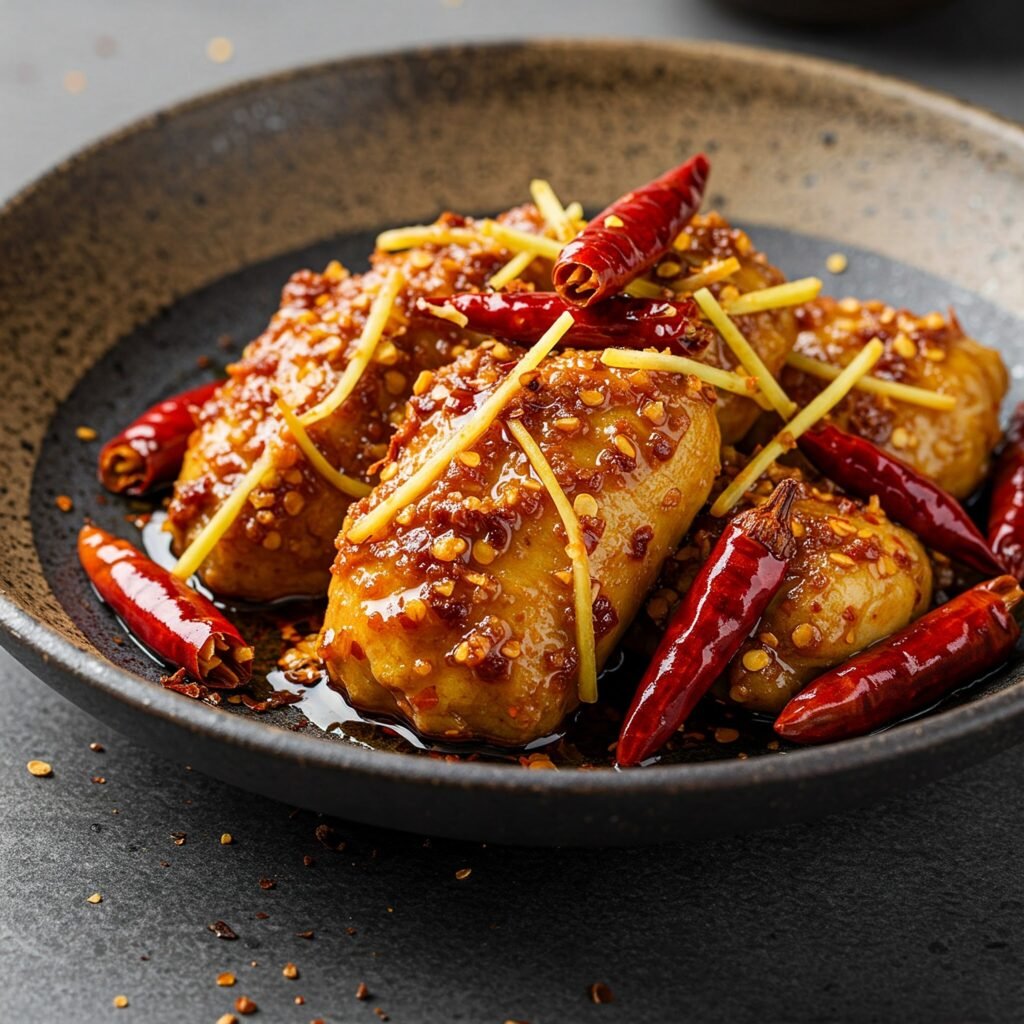
- Trend: Customers look for a more multidimensional, rich, spicy flavor in their food.
- Ingredients: The crafting of these dishes involves the use of ginger, Caribbean spices, and seaweed to achieve dynamic flavor profiles.
- Innovation: Various spices, herbs, and even peppers are being incorporated by chefs into their recipes as they explore new regions.
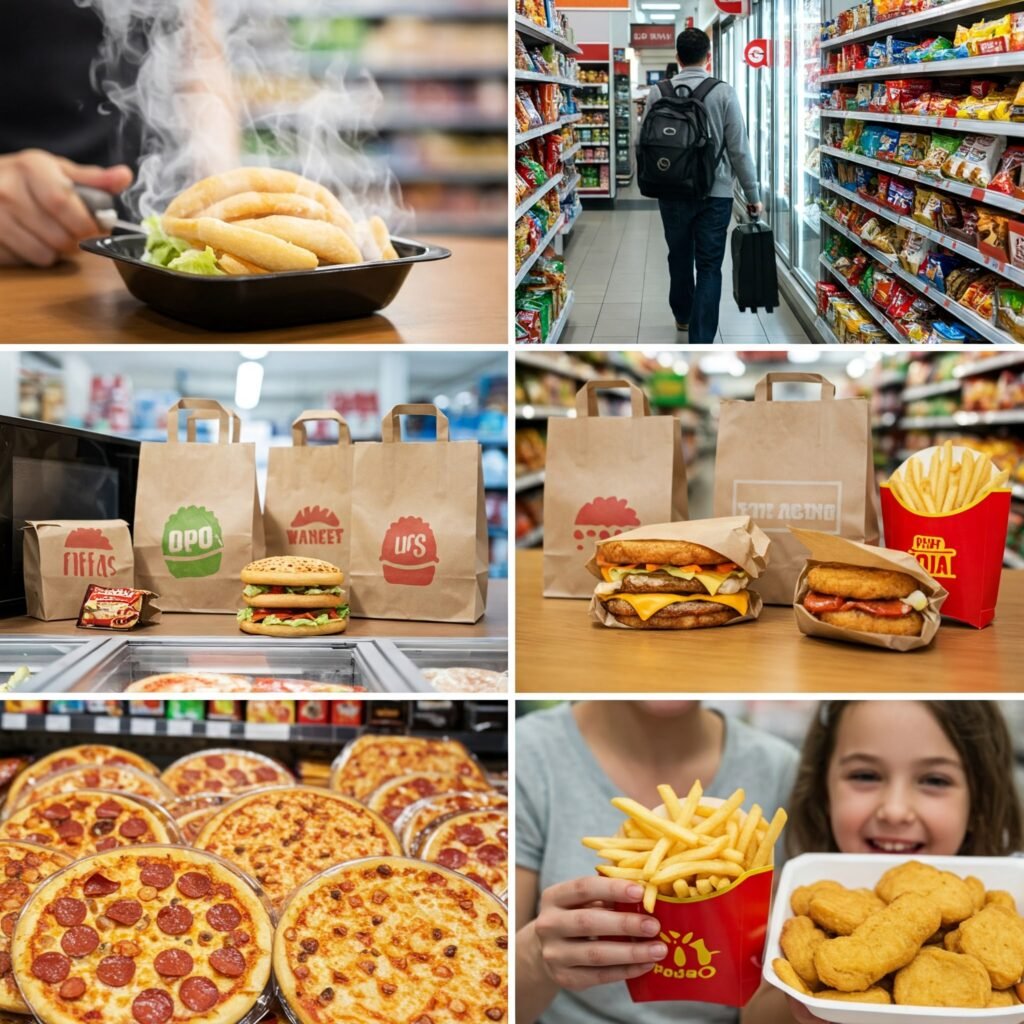
Convenience Foods:
- Trend: Meals that are quick and easy to prepare are favored by consumers.
- Packaging: Packaging designs include advances that promote the use of meals that can be eaten straight from the package.
- Online Ordering: There is a growing market need for convenient online ordering options.
- Technology: Ready-made meals are available from restaurants that use technology to automate the ordering process.
Why are Restaurant Food Trends Important?
Trends impact the culture, society, and economy, and influence the restaurant business. Keeping up with food trends lets restaurants capture consumers’ attention, maintain market competition, and innovate in a rapidly changing environment.

If you want to see or buy quality Black Beans click right here.
Consumer Re-engagement
Trends encourage restaurants to modify their menus, therefore, attracting new customers as well as re-engaging loyal ones. For many people, trying out the newest food trend is a culinary journey.
Economic Relevance
Investing in trends makes sure that the restaurant is economically relevant in the marketplace. Serving bold and fusion or global cuisines shows that the restaurant is in touch with the consumer’s needs.
Innovation and Creativity
Developments in food trends encourage innovation. Offering food with bold and exotic flavors, fresh herbs, or new plant options makes it more enticing and gives diners a new experience.
Increased Sales
Increased demand tends to draw more consumers into the restaurant which leads to increased sales. Having promotional menu-fads, restaurants can attract more customers who are motivated by the urgency to try it out and want to come back again.
Plant-based and Sustainable
Using plant-based food ingredients cuts down the carbon footprint restaurants have, making them more eco-friendly.
Cultural Integration
Food from different cultures enhances diners’ experiences while promoting appreciation of multiculturalism.
If you want to see or buy a quality Oil Sprayer click right here.
Adapting to Preferences
Restaurants are now offering health-conscious, flavorful meals as concerns regarding the benefits of healthful eating grow.
Influencing Consumer Behavior
Trendy restaurants will popularize certain foods, influencing the entire restaurant industry and creating future dining norms.
Media Attention
Viral trends in food on social networks can form a restaurant’s visibility, enhancing its advertising and public relations.
If you want to see or buy quality Nonstick Pan click right here.
Forecasting Restaurant Trends
Tracking food trends helps restaurant owners anticipate market shifts, enabling them to adjust their offerings.
Adapting to 2025 Food Trends
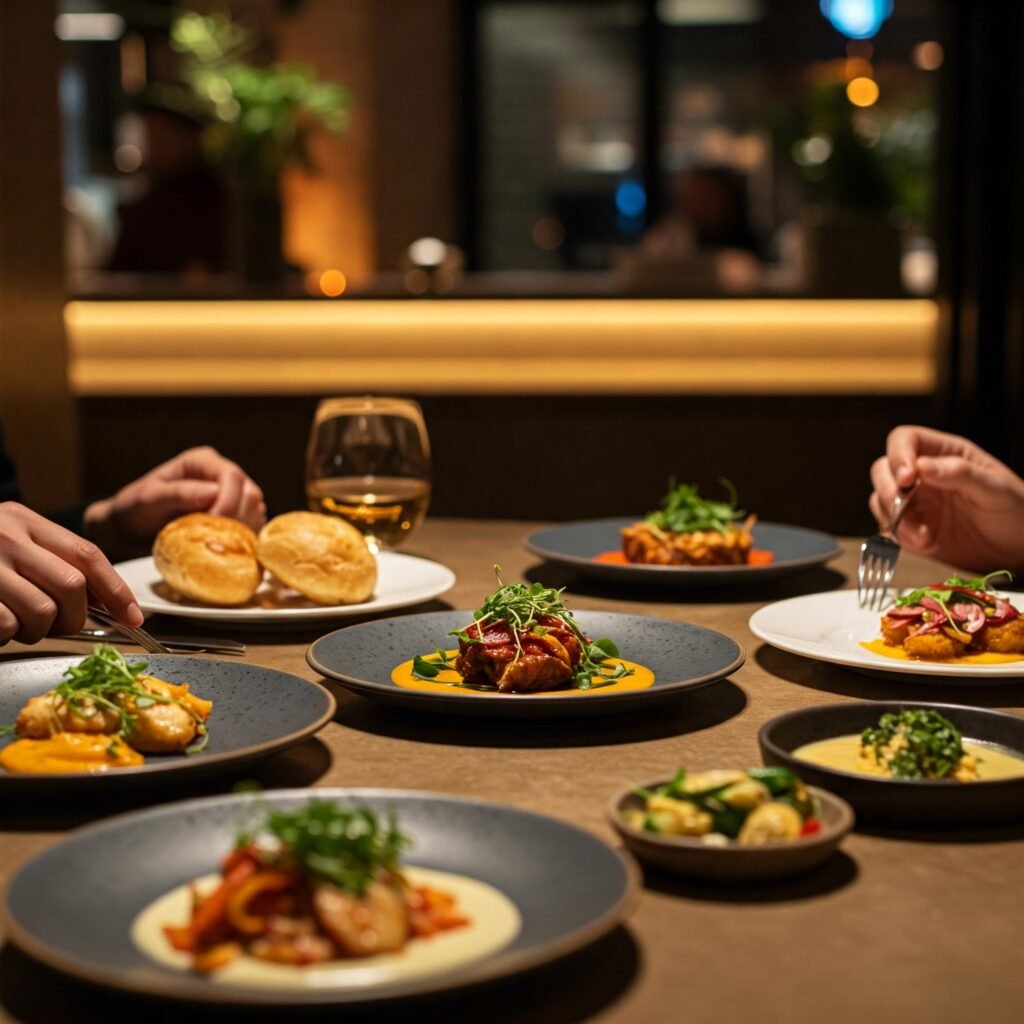
Ingredient Diversity:
- Build a network of sustainable suppliers.
- Expand the sourcing region of ingredients to include local areas to minimize carbon emissions.
- Work with suppliers who use organic and regenerative methods, and prefer local ingredients.
Menu Adaptability:
- Create menus that use ingredients that are both seasonal and versatile.
- Employ modular menu design to increase kitchen flexibility.
- Reduce dependency on goods that are imported and have difficult supply chains.
If you want to see or buy quality Stainless steel skillets click right here.
Inventory and Waste Management:
- Implement data-driven inventory management for optimal results.
- Look at past sales data and the frequency of use to determine appropriate quantities to stock.
- Support zero-waste initiatives such as composting.
Customer Collaboration:
- Use social media to express the company’s core values.
- Showcase green initiatives, flavors from around the world, and nutrition-focused menu items.
- Communicate information about procurement and environmental programs offered openly.
Even as food trends shift, it’s important to stay aware of trends in technology if you wish to achieve remarkable growth in your food business. One such aspect is the increasing customer preference for online ordering systems. Improvements in online ordering technology are very important as they provide an efficient user experience, which directly relates to the demand for meals that need very little preparation time. Moreover, establishing your business as a trendsetter within the food sector can help improve your brand image, as it would draw customers who are attracted to proactive companies. In short, any food business looking to succeed in the red ocean market will need to give attention to detail when developing the online ordering system.
If you want to buy a Cast iron pre seasoned skillet click right here
What Next!
What is the next big food trend in 2025?
In its food and beverage trends report for 2025, Whole Foods Market highlighted duckweed and sea moss seaweeds as soaring popular ingredients due to their health value and sustainability.
What is the food year 2025?
With the UN declaring 2025 the International Year of Millets on India’s initiative, the country is set to make the strongest footprints on the world food map, being home to over 40% of millet production.
Keeping the above in mind, here’s an overview of the most prominent food and nutrition trends for 2025 and their drivers.
What are the biggest diet trends in 2025?
- Protein everything
- Simple non-alcoholic drinks: the new trend
- A great focus on legumes
- A big focus on personalized nutrition
- A more balanced attitude towards processed food
- Bio hacking
- A holistic approach to healthcare
What is the catering trend in 2025?
Sustainable practices have been gaining traction over the past few years, and this is set to be a hot topic in 2025. Couples are now more concerned with environmental impact, using items such as eco-friendly utensils, recycled glassware, reusable china, and controlled serving sizes to minimize waste.
What are the wedding food trends in 2026 that have been forecasted?
The wedding cheeseboards will absolutely have the spotlight in 2026. Guests will be delighted with local and international cheeses, gourmet cold cuts, rustic breads, nuts, and artisan jams, all sophisticatedly arranged on one table.
What will be the development of food trucks in the next decade?
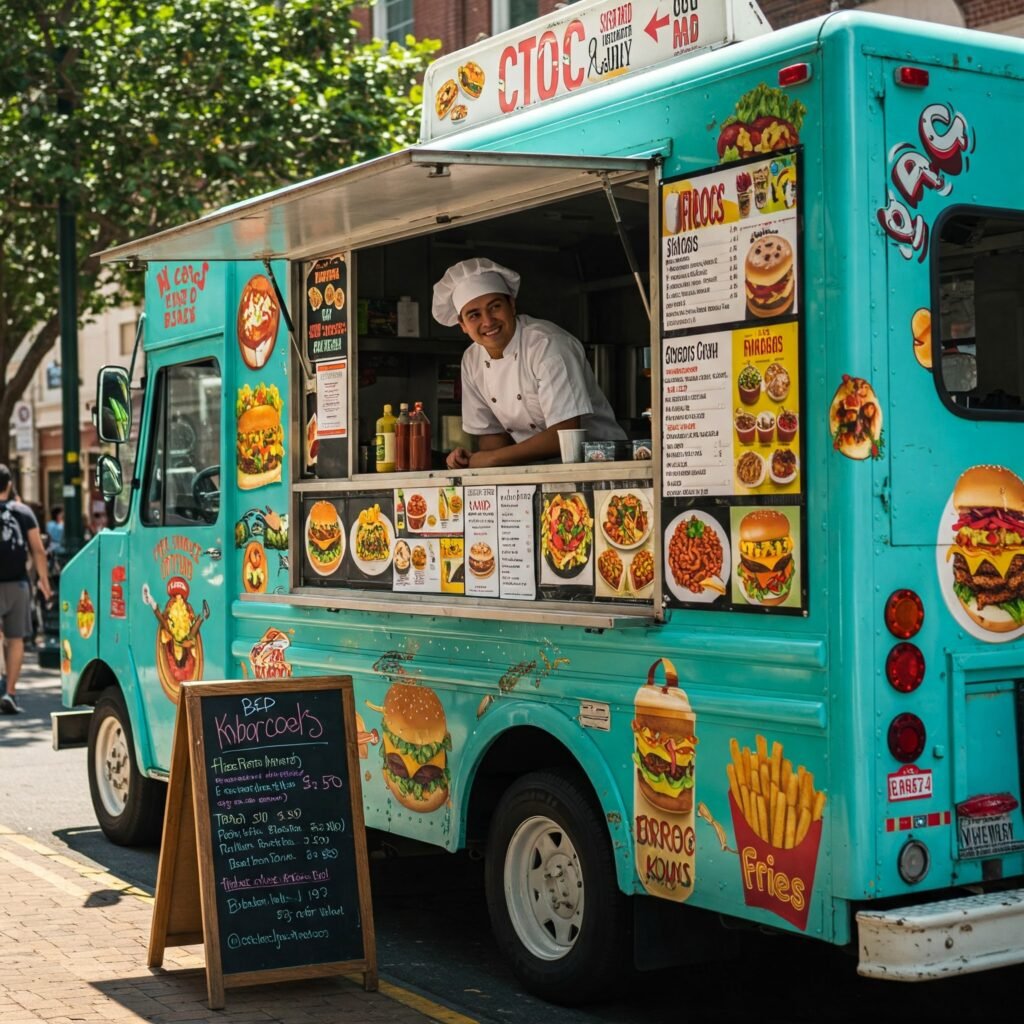
The Food truck Market will be booming. In 2025, it will reach $4.42 billion and grow by 6.5% to $6.06 billion in 2030.
The most common type of food served during weddings?
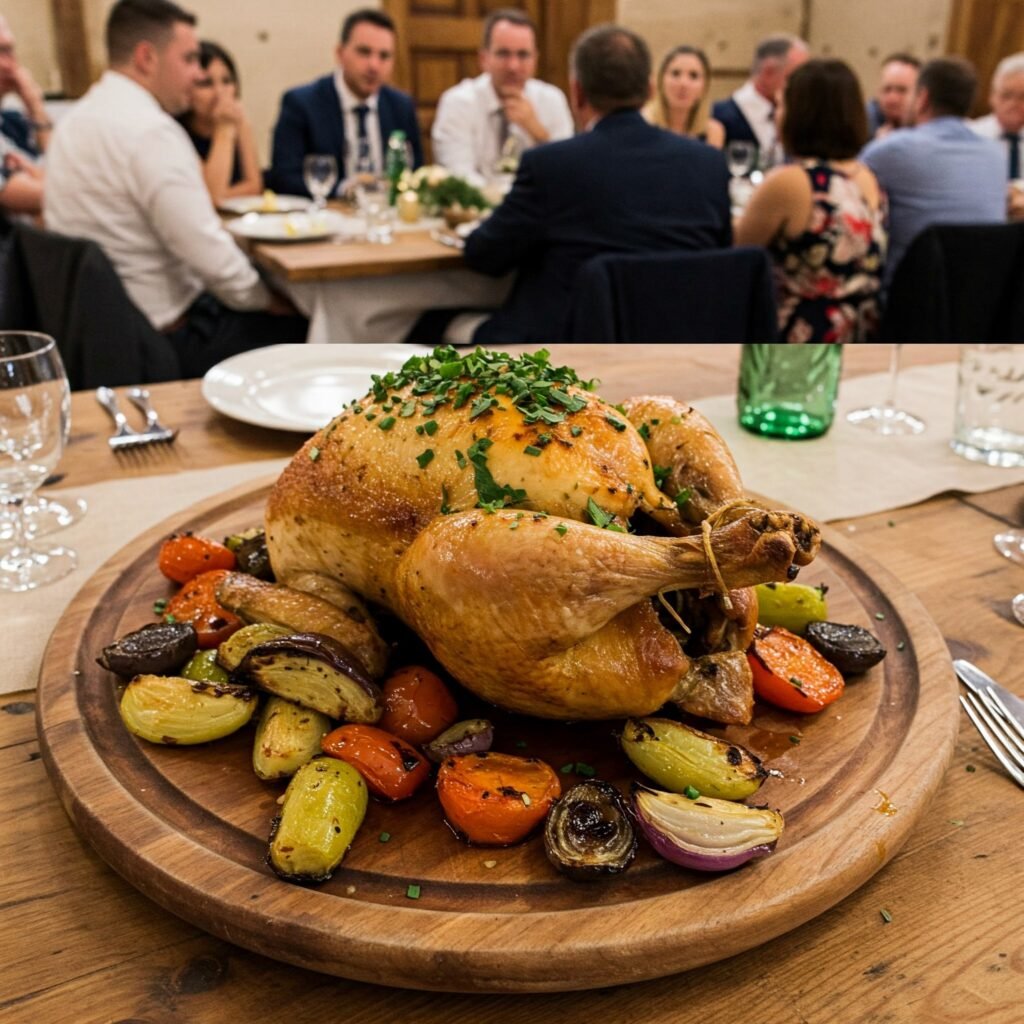
Without any competition, the most served meat around the world, specifically at weddings, is Chicken, and for good reason. Chicken is and will always be a crowd-pleaser. You can roast it, grill it, fry it, and serve it with different sides, making it incredibly versatile to be paired with different types of dishes.
Always keep clean your hands & for that you can check this soap dispenser right here.