Some Interesting Facts About Latin American Food| You’ll Love To Know
Out of all regions in the world, Latin America is known for its history and culture, and they are proud of their rich cuisine. Latin America is made up of many countries and each has a unique culinary tradition to offer. Their food is heavily influenced by indigenous, African, and European cultures. In this article, we will discuss the unique dishes from different regions of Latin America, their ‘fused’ street or fusion food, beverages, and desserts that make Latin American food culture unique.
Popular Latin American Cuisines,
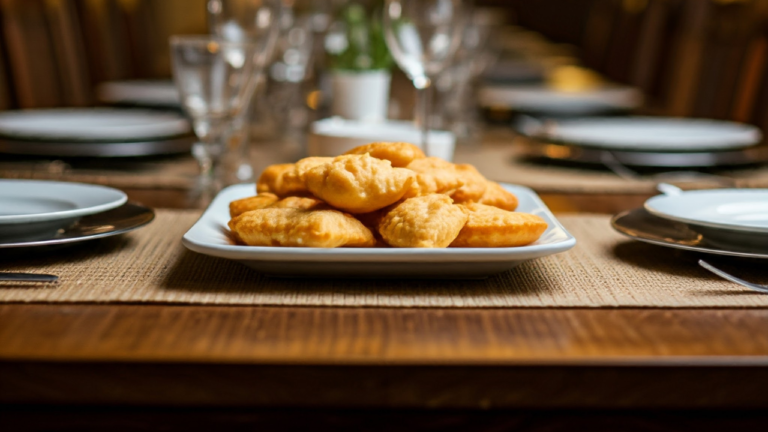
There are numerous mouth-watering dishes from Latin America which one should definitely try at least once in a lifetime. Some of the most popular Latino dishes are tacos, arepas, empanadas, and ceviche which will make your taste buds go wild. Talk about empanadas, they are available in various nations, from Argentina to Colombia, and are stuffed pastries. These stuffed pastries are filled with meat, cheese, vegetables, and are either fried or baked depending on the country.

Arepas are famous in Venezuela and Colombia. They are thick cornmeal cakes often stuffed with cheese, meat, or avocado, forming part of the daily meals in various Latin American households. Ceviche is another dish, but is a refreshing seafood option mostly consumed in Latin America’s coastal countries such as Peru. It is made of raw fish or shellfish, which is marinated with some sort of citrus juice, and can also be served with spices such as onions and peppers.
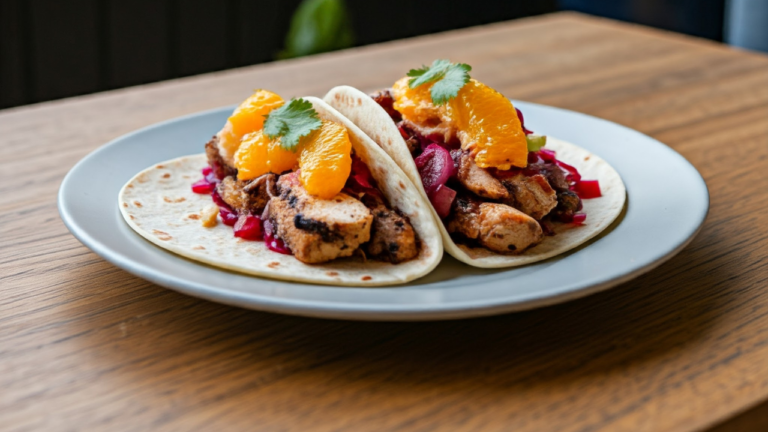
Without a doubt, Tacos could be regarded as one of the most popular Latin American culinary treats. It’s no surprise they come from Mexico as these flavorful tortillas are filled with an almost endless list of ingredients, including but not limited to meats, beans, and vegetables, all topped off with salsa and guacamole. It is worth noting that every country in Latin America has their own distinctive style to these traditional meals, confirming they are part of the region’s mark in gastronomy.
Regional Distinctions of Latin American Food
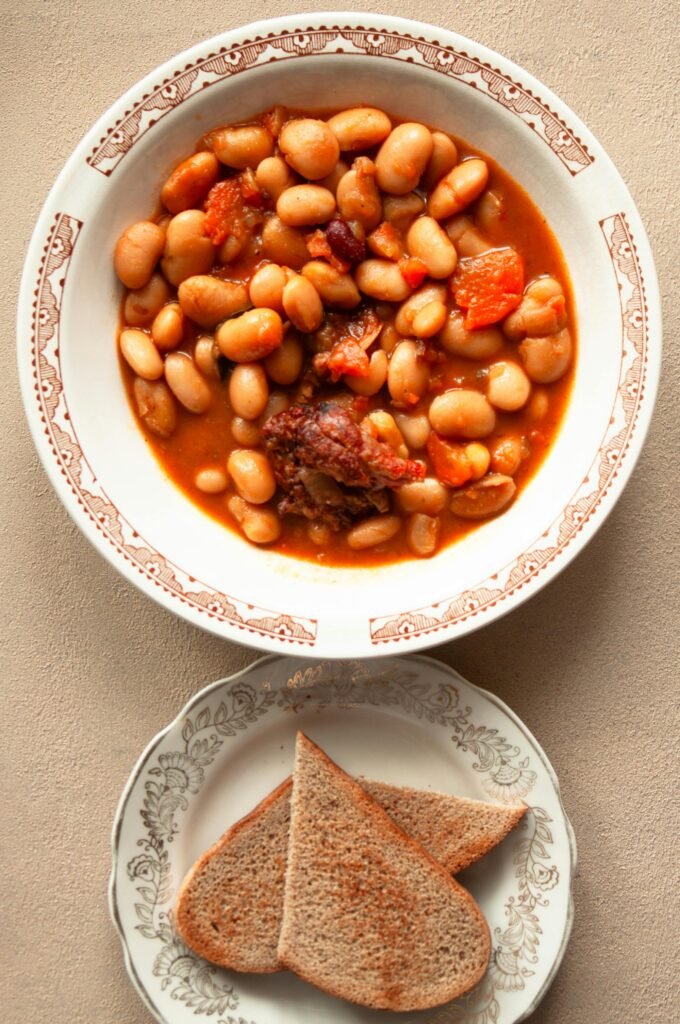
Even though Latin American cuisine is often viewed as a single entity, its constituent countries have unique cultural features that make each one distinct. For instance, the tight-knit Mexican communities are known for their strong use of spices like cumin and chilli powder, while Brazil is home to feijoada, a bean stew, and churrasco, which are both heavily influenced by Portuguese and African ancestry.
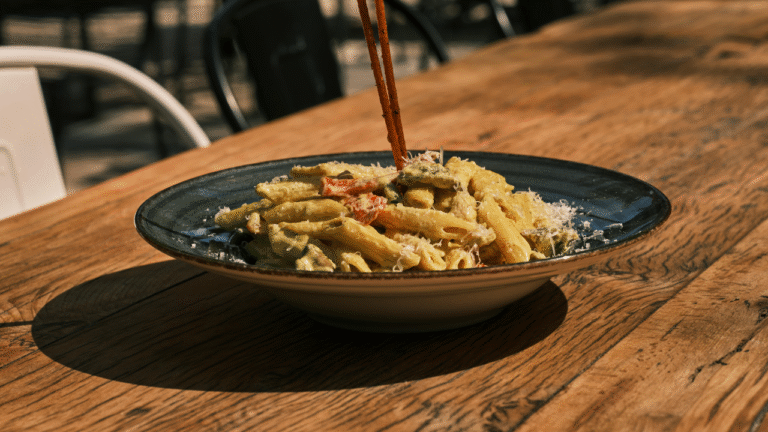
Additionally, seafood is Peru’s forte as well as with indigenous ingredients like quinoa and corn. As for Argentina, its cuisine is largely adapted from Italy, enjoying empanadas and pasta. These countries show how differing traditions and cultures have led to evolving culinary practices.
Fusion Cuisine in Latin America
In Latin America, there has been a steady increase in amalgamated cuisine where traditional foods are fused with foreign tastes and methods. An example of this is Peru’s Nikkei cuisine, which uses Japanese cooking styles to turn traditional Peruvian ingredients into dishes like soy and wasabi ceviche.
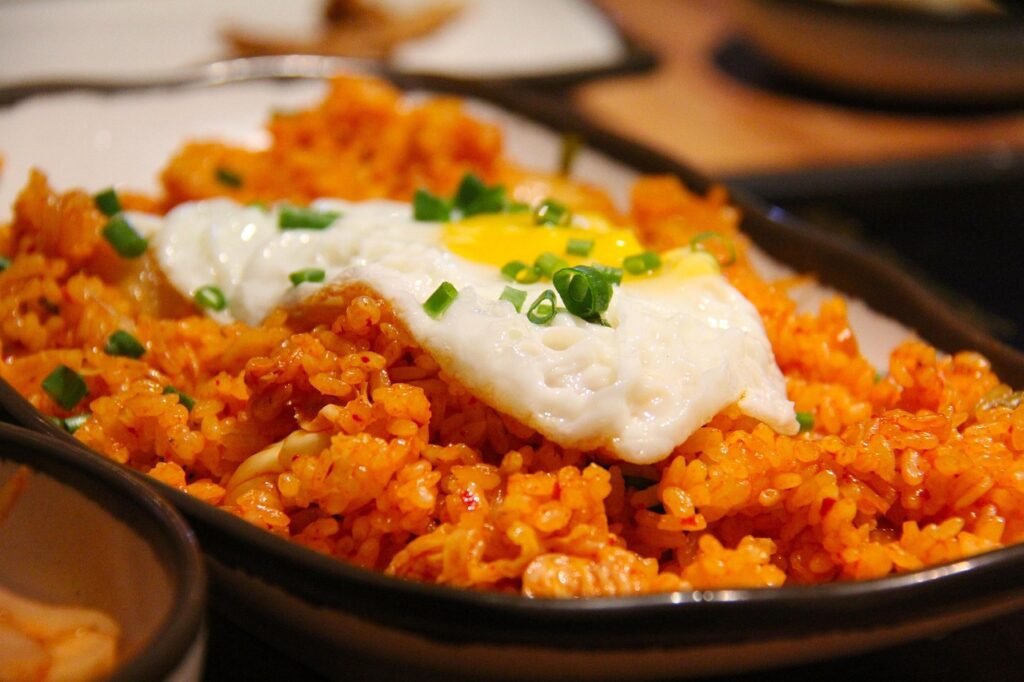
In Brazil, interest in Korean dishes is on the rise with foods like fried rice with kimchi gaining traction. These blend dishes are a result of the globalisation impact on the food cultures in Latin America. Such mix Korean and Latin American cuisines definitely provide some interesting experiences for people travelling there.
Unique Spices and Fragrant Plants,
Latin America is home to some of the world’s most celebrated cuisines and continues to be the origin of beloved ingredients.
Even Latin American in the market connected with modern global identity is accompanies by the identity given through cornstarch.
Chili aids in bringing flavor and adds heat of which there are numerous fierce from weakly heated to fully charged across the country. As well as filling, bean aids in strong ceded shoo protein and heaviness.
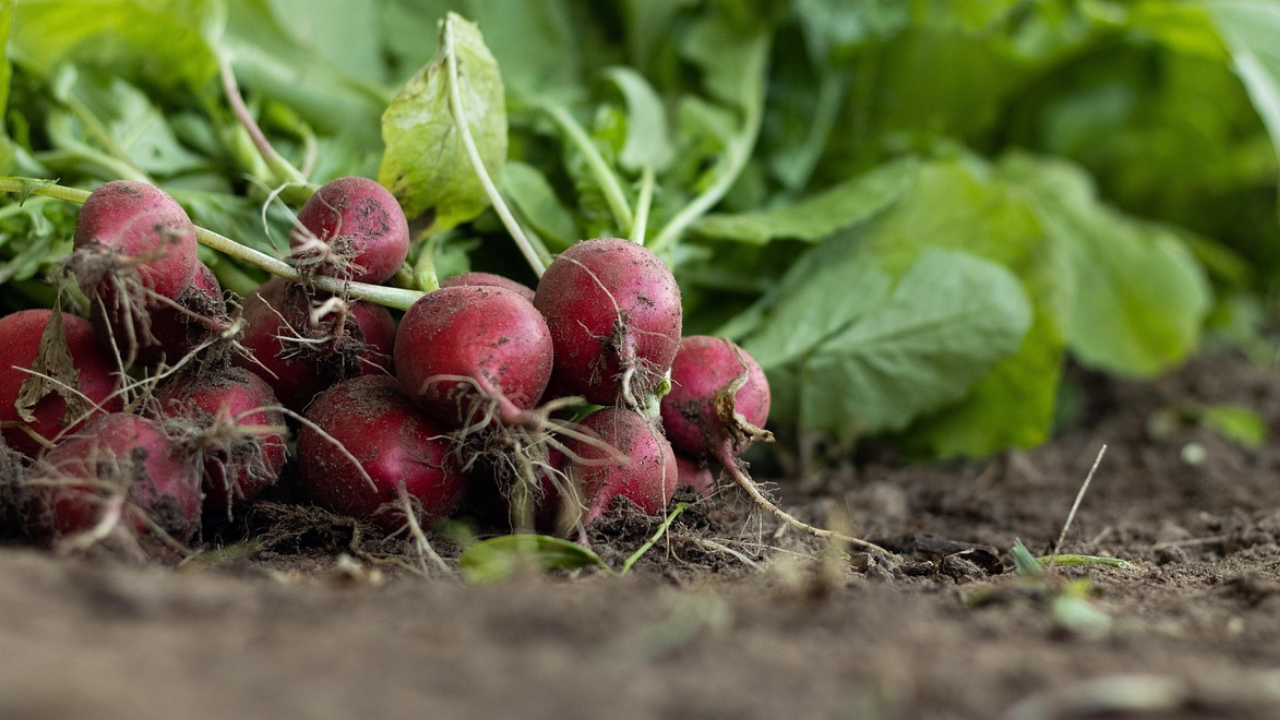
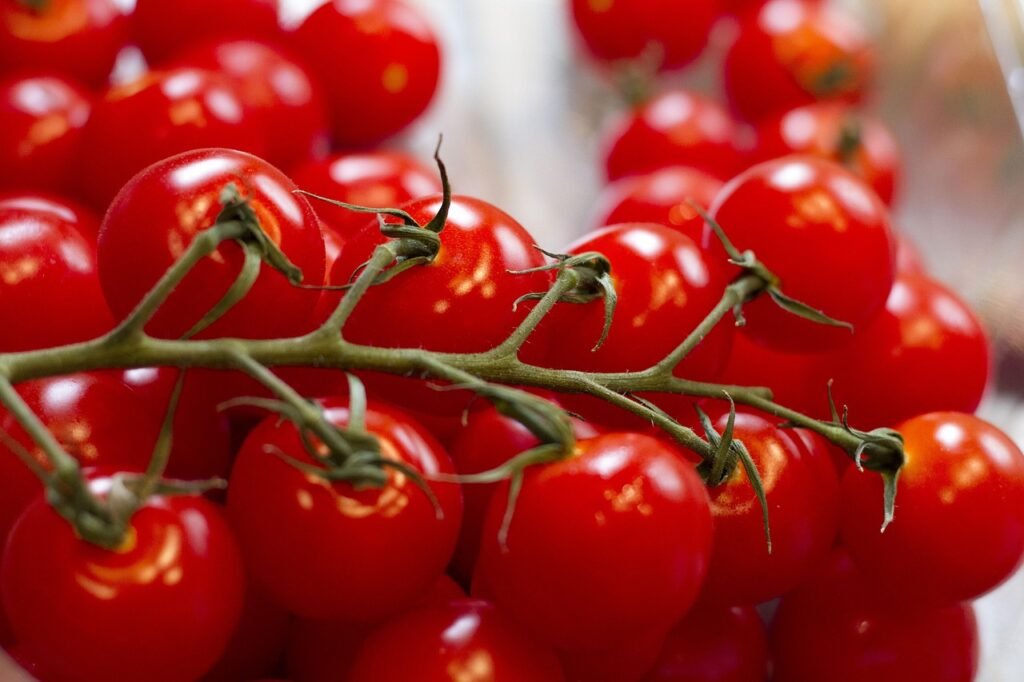
Derived from Mexico and other areas as magnesium, tomatoes add richness and pieced acidity. Along with Andes regions, well known potatoes are most frequently employed ingredients for cooking, where they chopped into pies, soups and slow cooked meals and many other meals as well.
Particular herbs also famously known for their distinctive Latin fragrant characteristic mark the top of Latin American culinary herbs.
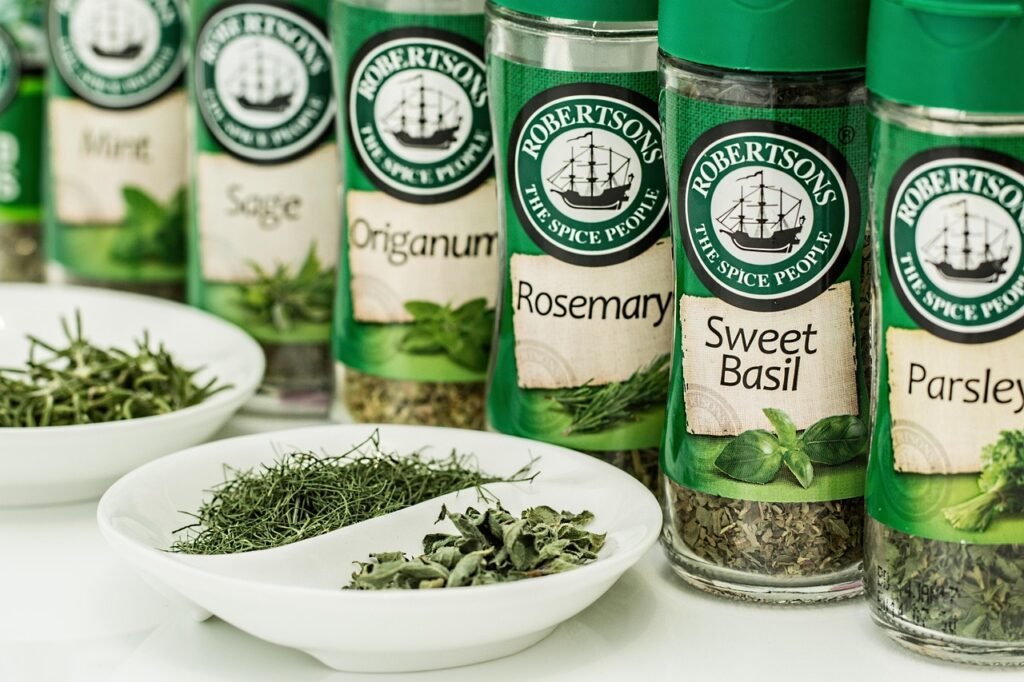
- Annatto (Achiote): Used primarily in the Yucatán and other Caribbean regions, these seeds give many dishes a distinctive orange-red color and earthy flavor.
- Cilantro: The love-it or hate-it herb is famous in Latin America, and its zestiness offers dozens of menuholdings throughout the region.
- Bay Leaves: These are commonly used in preserving and flavoring beans and rice dishes, stews, and soups.
- Culantro: This herb is more popular in Caribbean cuisine, and has a more robust flavor than cilantro.
- Oregano: Mediterranean oregano is typically not as strong as Latin American oregano, which often has an intense flavor and minty undertone.
What Makes Latin American Food Unique?
This indeed is a question worth pondering. The distance Latin America is from North America hides many delicious treasures of Latin America cuisine. Unlike other cultures where Latin American foods are rarely available, the immense number of Mexican immigrants to the US have made these dishes accessible. In essence, every Latin American dish is steeped in deep roots of Native American gastronomy particular to indigenous peoples of the region. Furthermore, European cuisines such as Spanish also introduced their influences. Their citizens also reside alongside a number of East Asian immigrants.
In every region besides Mexico, Latin cuisines are adored, however the primary distinction is the vast amount of spicy peppers Mexicans add to their food which is rarely seen elsewhere. Unlike the Caribbean where the number of spices is more extensive, the regions to the south of the Caribbean tend to be less hot/spicy.
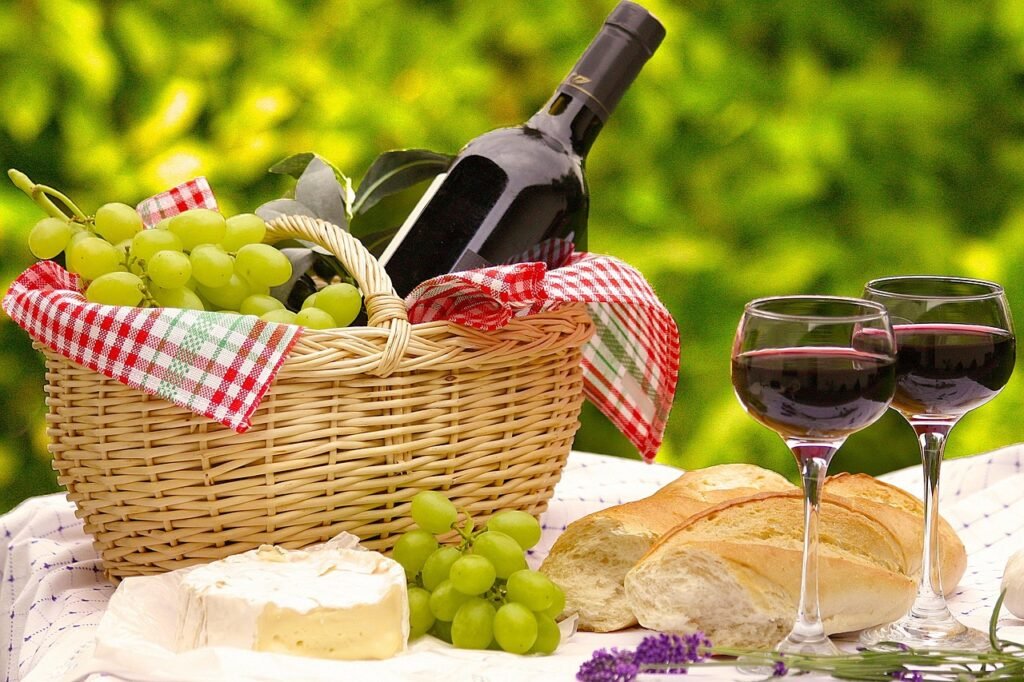
Uruguay/Argentina – Wine, cheese, and bread are more than a tradition, they are essential products of this old world beef region, alongside its rich history in beef production. A southern European experience like no other.
Mexico – Mexico from the south has the best food. Did you know that it is nothing like the Mexican food served in the USA? Sonora State is like Argentina, a beef nation. Mexico City is world class with crazy high end places. Cancun, world class, try ‘The Palm’, ‘Rosa Negra’, Cambalache’, and thousands of other restaurants.
Peru – The amazing thing about Peru is its Chinese minority. It is said that they are responsible for some of the most epic Sino-Latin fusions. Such bonds offer great treasures to be discovered, one of them being potatoes aji. The 10,000 variants of Ceviche are phenomenal, arguably among the best in my personal opinion.
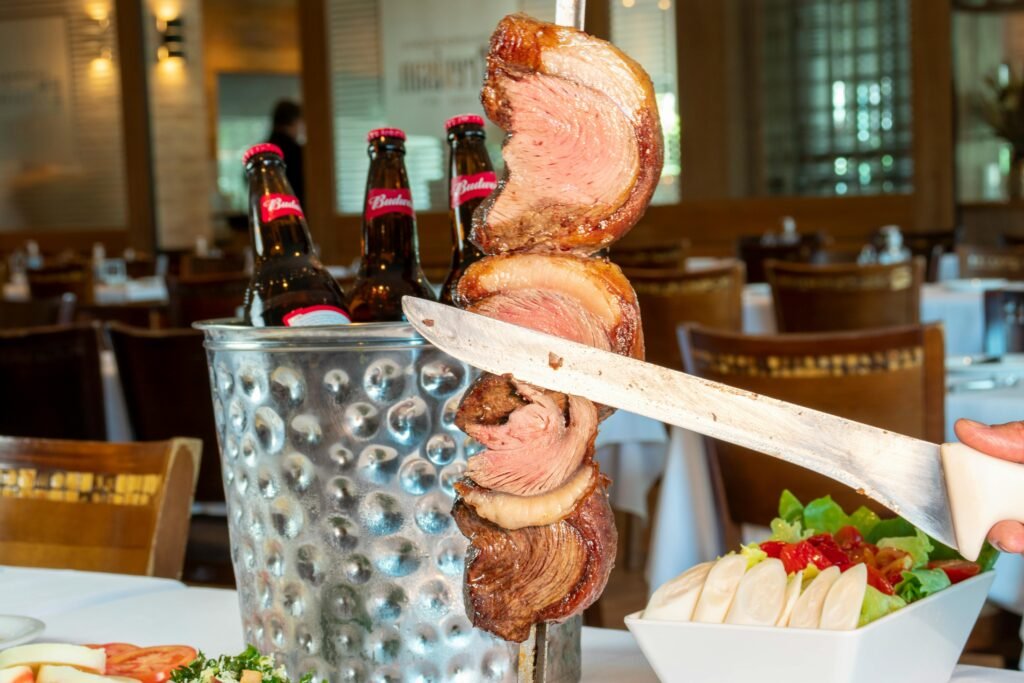
Brazil – The cuisine is exceptional. Picanha is a “must try” and in my view, is even better than ribeye.
Colombia\Venezuela – Southern Europe and The Amazon come together beautifully. It’s a wonderful combination that is yet to be explored fully.
Mexico boasts an array of different chilies, especially dried varieties that are rare elsewhere. Cuban cuisine is probably the closest to Spain. It is mostly garlic and spices with almost no spice or chiles. Next are Dominican and Puerto Rican which have some similarities with Cajun and Creole. These cuisines also have a sofrito, which is like the Trinity in Cajun food. Cajun food is spicier, with cayenne pepper as a common ingredient. Mexico, on the other hand, is more focused on indigenous cuisines, such as the mole and dried chilies, with a corn-heavy staple food diet consisting of tortillas and dried chilies. Guatemalan and Salvadoran cuisines are the closest to Mexican ones. In Mexico, there isn’t one single cuisine, there are multiple cuisines. There isn’t one common shared history culturally. Peru has some Japanese influence. There is more German and Italian influence to Argentina. Brazil is different with Portuguese influence. The numerous climate distinctions affect the cuisine as well.
Some Interesting Facts about Latin American Food
Latin America is almost all of South and Central America and is considered one of the most diverse regions, both rich in culture and geographically important. This region is filled with beautiful places such as the Amazonian rainforests, Andean highlands, the arid Bolivian and Mexican deserts, and even the Patagonia pastures. Each of these places has its own listing of unique cuisines and ingredients. In this blog, let’s take a look at some fascinating facts about Latin American cuisine.
Corn
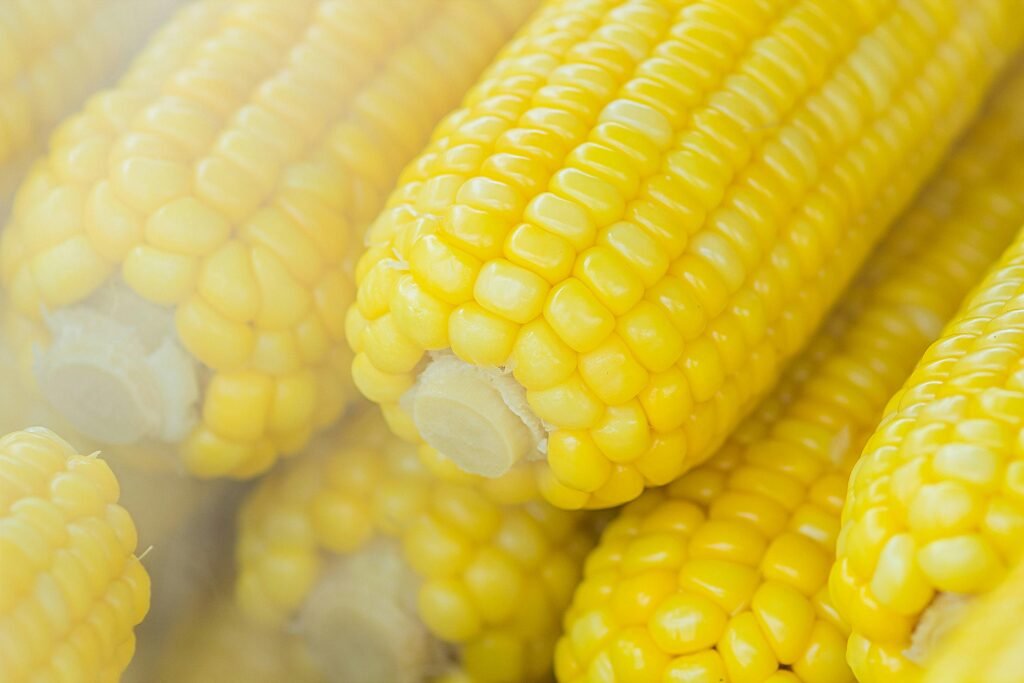
For Latin Americans, corn is as fundamental to their world as rice is to Indians. It is extensively used in the preparation of many foods and is eaten in different forms. It is also an integral part in the preparation of arepas, tacos, enchiladas, and burritos. While it is accepted that corn originated in Mexico, its spread across Latin America came about due to ancient empires like the Aztec, Maya and Inca. Today, corn is deeply entrenched into the culture and diet of many Latin American countries.
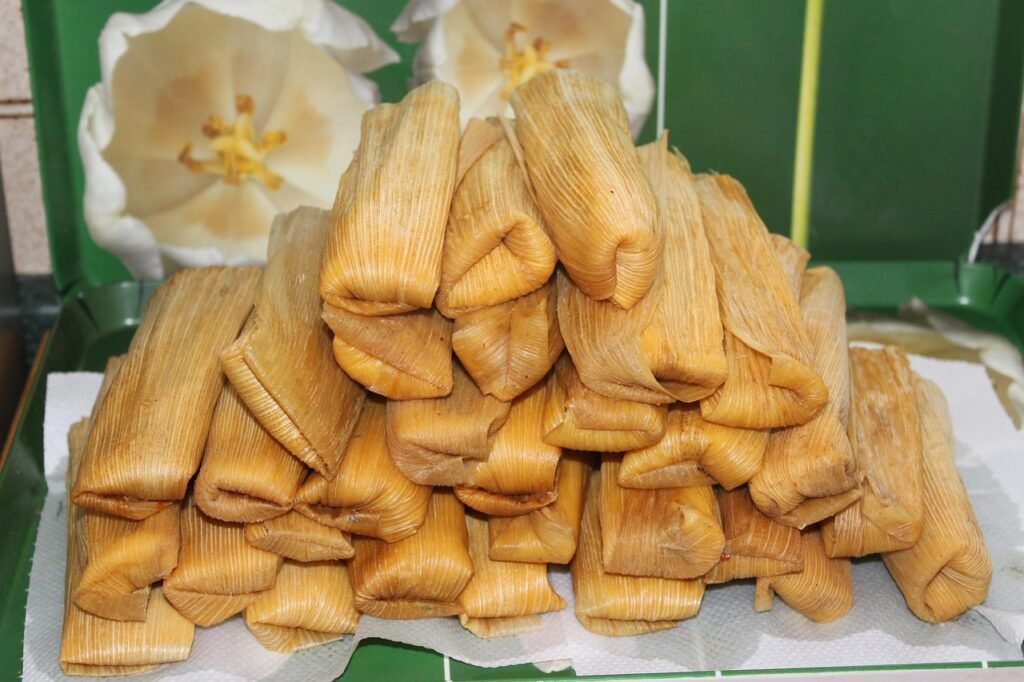
Tamales
In terms of traditional Mexican food, there isn’t much older than tamales. These delicious snacks originated more than 8000 years ago and are here to stay. A delicious treat made from masa dough filled with meats, veggies, and other goodies, tamales are specially wrapped in either corn husks or banana leaves before they are steamed.
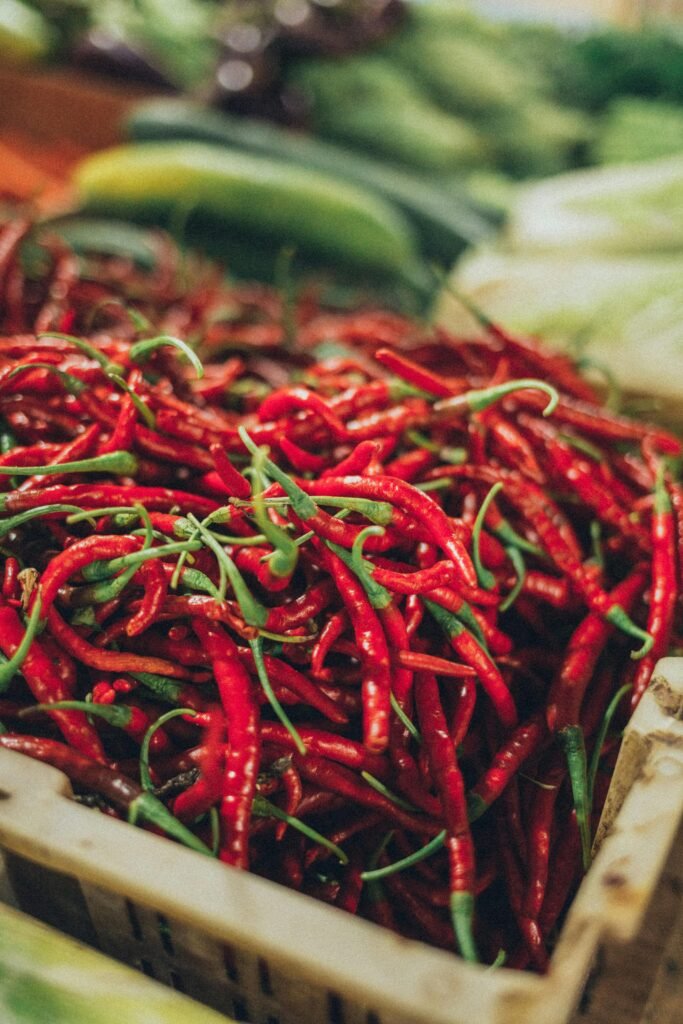
Chilies
If you enjoy trying out new things, then most likely chilies would have caught your attention. Most Indians would probably assume that chilies are Assamese or at the very least Asian. But here is the catch, even Indian chillies are imported. Their ancestors were likely cultivated in the wilds of Latin America and were quickly one of its prized possessions due to colonist sells from Europe. Portuguese, Spanish and even to a lesser extent, Italians would have been their merchants. Prior to the introduction of Indian chillies, the land’s foods use to be seasoned with the “desi spice” known as black, white and green peppercorns.
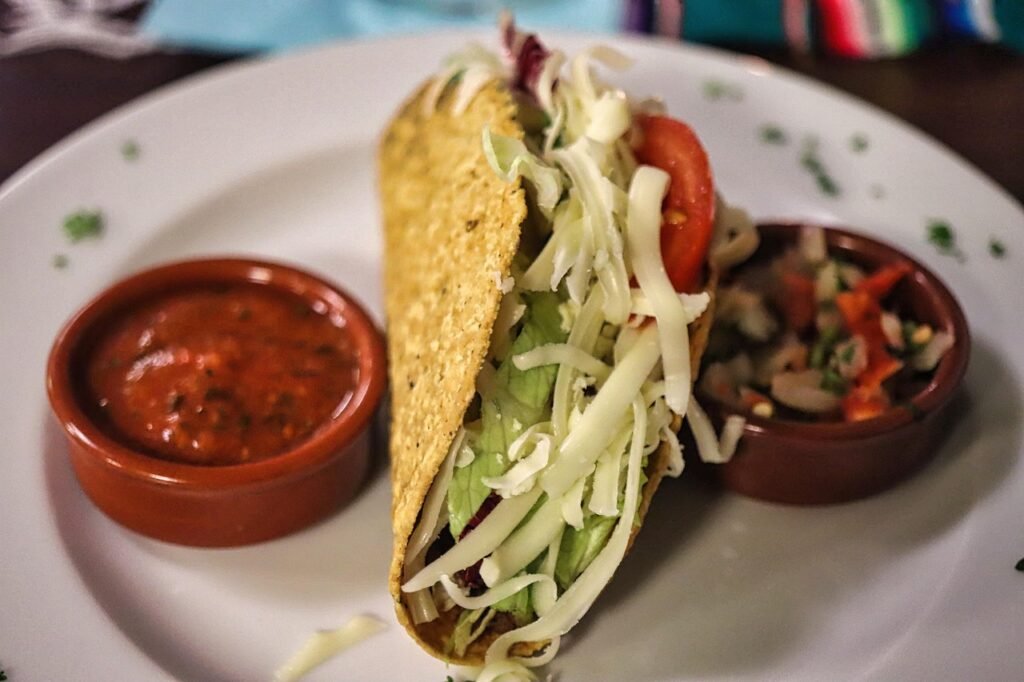
Tacos for Every Meal
In Mexico, tacos are more than just a dinner item. You can have it at breakfast too, where they serve it as fried pork or for some, eggs. Lunch time has other options too, with seafood tacos taking the top slot, and all sorts of meat wrapped in soft tortillas are available for dinner.
Farm-to-table
The ‘Farm to Table’ initiative kicked off around the 20th century. It is characterized by an emphasis on local, fresh, and simple cuisine. However, Latin American cuisine is perhaps one of the earliest examples of the ‘farm-to-table’ approach. In the 15th to 16th century, Spanish conquistadors reported seeing huge markets overflowing with varied local produce, ranging from grains, fish, and condiments to meat, in cities like Cusco and Tenochtitlan. Latin American cuisine is noted for its strong, bold flavours, use of piquant chilli peppers, and tart lime, all of which remain key features to this day.
Tomatoes
Did you know that tomatoes originated in Mexico? It is one of the best Mexico food facts! This staple food widely used across the world was first embraced by the Aztecs. Its use did not spread to Europe until after Spanish colonization.
Chocolate
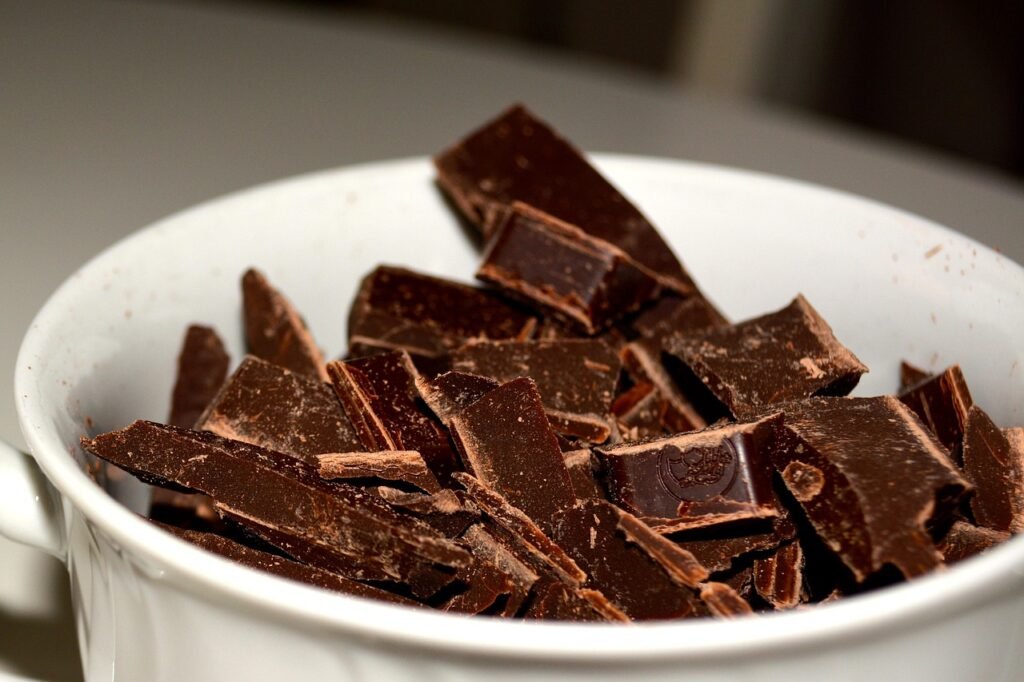
Even if chocolate is unlikely to ring a bell for an ancient Mayan or Incan, its Dutch-processed form is a far cry from what it is today. At a certain point in time, cacao was currency. The great Maya chief Moctezuma particularly enjoyed a fermented drink made of cacao beans and flavored with chillies. This delicacy was reserved for the Gods, and, considering the Kings were treated as demigods, were granted the privilege as well. The Incas, Mayans, and Aztecs did understand, however, the potency and benefits of chocolate in its raw cacao form.
What Influences Latin American Cuisine?
Latin American food ways are influenced by indigenous, Spanish, and African cuisines. Furthermore, there is a great amount of diversity and regional distinctions within Latin America. For example, Caribbean cuisine differs greatly from Mesoamerican or South American cuisine. Even in a single country such as Mexico, there are countless culinary styles and dietary habits.
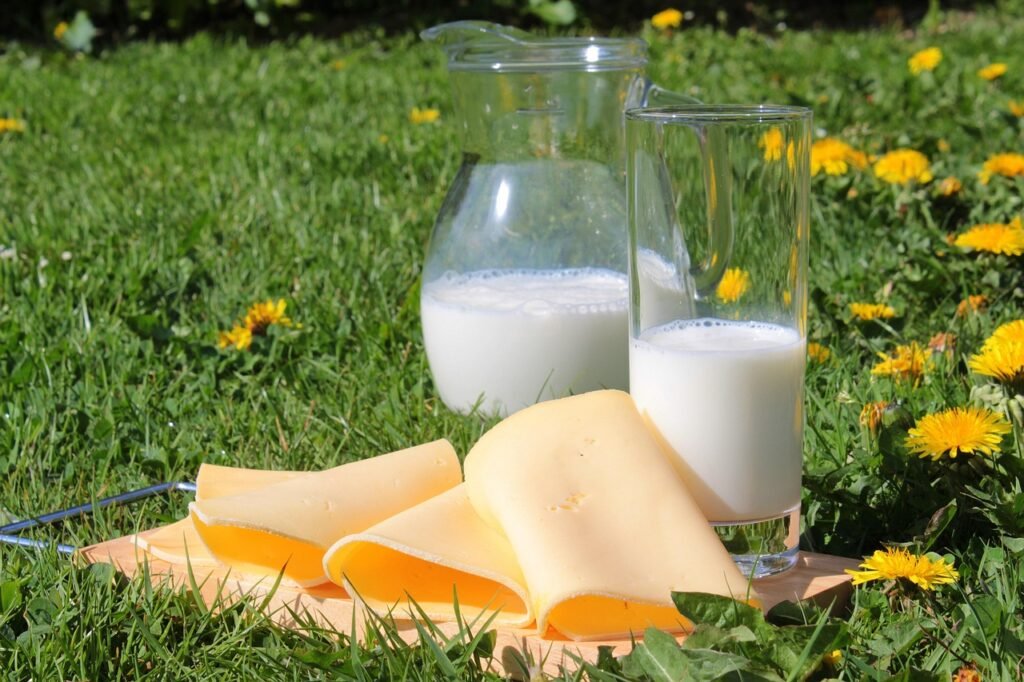
Take, for instance, the Mexican cuisine that we consume in the U.S. is far more akin to north Mexican cuisine- with its greater usage of wheat products, beef, and dairy– than to the south coastal Mexican cuisine which may include more fish, tubers, and other acidic condiments. I recognize that each area is distinct, but, given my background (being from two diverging regions of Latin America) and certain primary commonalities, like influences and commonly used ingredients, I want to talk about Latin America as a whole in this piece.
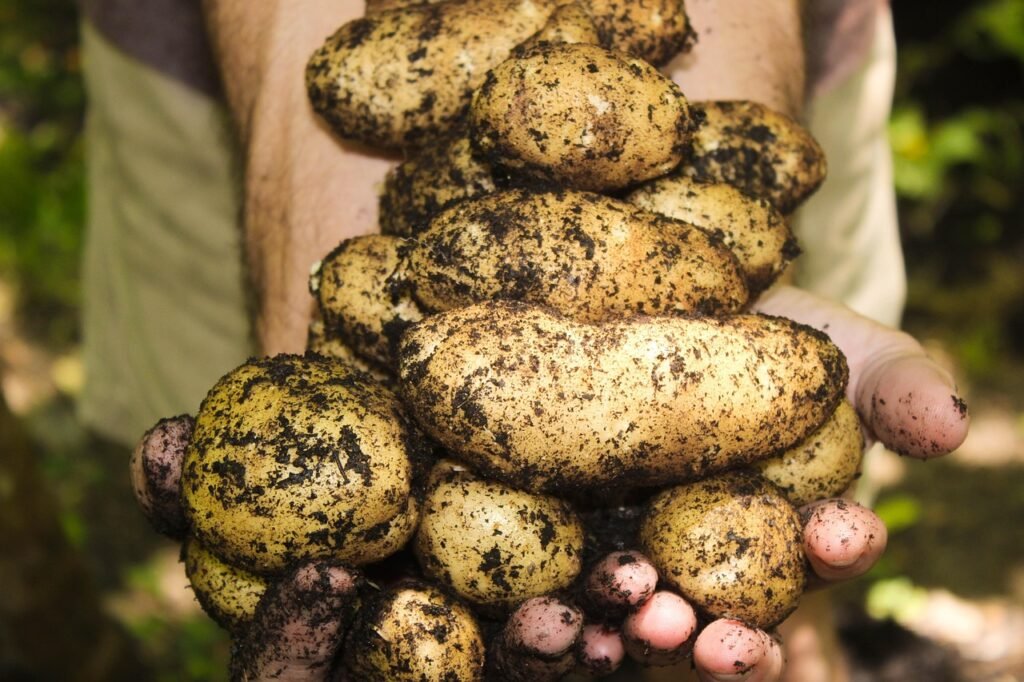
A few of the basic commodities throughout Latin America are beans, corn, rice, squash, tomatoes, and peppers. Puerto Rico and Cuba, along with southern Mexico how have plantains as a dietary staple. Peru and the rest of South America are renowned for their production and consumption of potatoes. Another noteworthy contrasting trend is the range of spiciness throughout Latin American food! In the U.S., the spice level we associate with Latin cuisine is largely reserved for Mexico. Other regions in South America and the Caribbean do not encompass as much spice as Mexico does. Other Latin American spices, such as cumin, oregano, and garlic are known throughout the regions!
Behavioral Patterns from Latin American Meals,
Most commonly, lunch happens to be the largest meal of the day in social settings, while breakfast and dinner have comparatively reduced portions. It is essential to remember that some dishes, among others, include tortillas, rice, and beans and can be served at any hour. Foundational carbs such as corn and plantains are the basis of many dishes such as tamales or pasteles, and are also transformed into tortillas, pupusas, and empanadas.
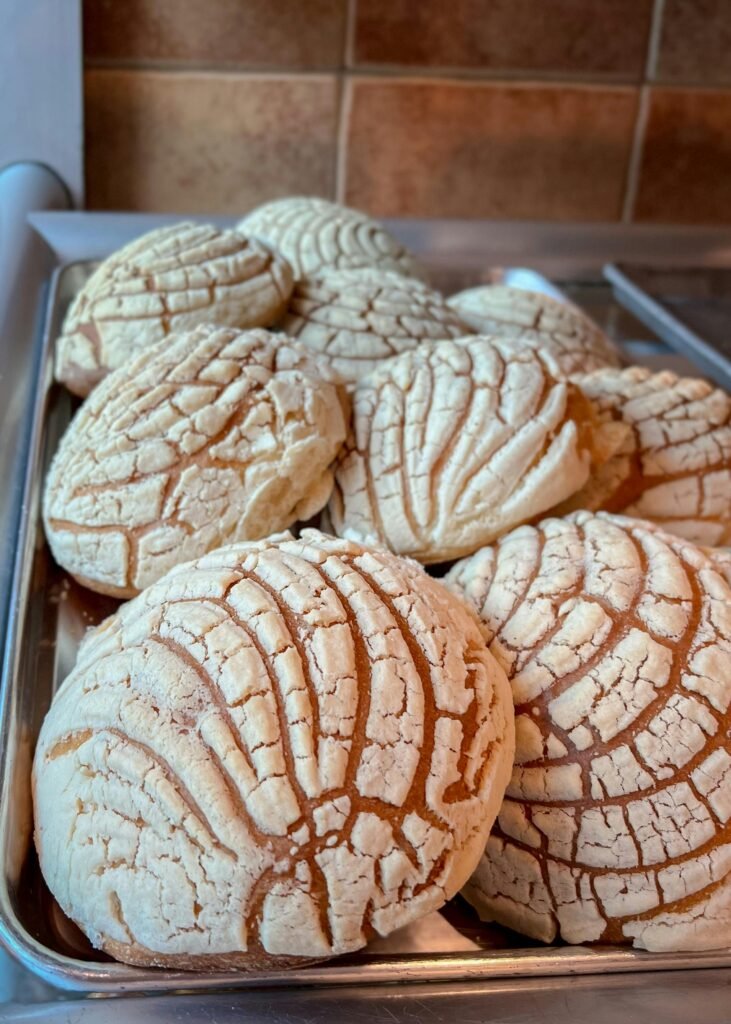
Like several other cuisines across the world, the Latin cuisine also includes breakfast, lunch, and dinner. There is also quite a range of foods that can be served at breakfast. Some of the traditional foods served during breakfast are some types of soups, stews, and eggs. Coffee along with pan dulce (sweet bread) is also delightful for breakfast.
Lunch and dinner typically consist of the same kinds of foods, however, lunch is usually a larger meal. An elaborate meal is expected during lunch. During both meals, people usually serve a stew with either tortillas on the side or a starchy vegetable inside the soup. They also serve proteins like chicken, beef, or fish with vegetables and rice and beans on the side.
Pan dulce, fresh fruit juices, and smoothies are also popular snacks in the Latin food culture. The Latin food culture hold fresh fruits and vegetables in high regard, especially slices of raw fruits and vegetables with a dash of seasoning. In the United States, some cuisines such as tacos and quesadillas are regarded as staples of Mexican cuisine. However, they are largely classed as a snack in Mexico, so it’s great to see how perceptions differ across countries.
Latin American cuisine is an amazing, healthy and undocumented culinary delight. Latin American cuisine is indeed fascinating. Start your exploration with us, and for every other key detail you need about this part of the world, visit our shop today.