Cheese Tea| The Youngest Mediterranean Fusion Dish That I Found Interesting
If Americans could get over the name, cheese tea could replace bubble tea. Bubble your way into the unique world of cheese tea! This one may be surprising for some, and that’s completely good. In our case, we have so much information on this astonishing new trend, which has got people wondering where it has been their whole life. Like its predecessor, bubble tea, which originated in China and Taiwan, cheese tea follows the same trajectory. This new drink first bubbled up in China and Taiwan, then spread to other Asian countries. It is also gaining immense popularity in the United States.
The first time someone brings it up in conversation, those unfamiliar will respond with a scrunched nose and a puzzled frown, while perhaps shaking their head incredulously. For a segment of Americans, the idea of integrating tea and cheese is not very appealing. Nevertheless, the experience associated with this beverage is more pleasant than its appellation suggests. Cheese tea is more akin to bubble tea, which has now morphed into a widely consumed drink. Since the popularity of cheese tea in Asia, it appears that this blend of cheese and tea is bound to gain traction in the U.S. market, especially with the successful integration of Asian sweets like matcha-flavored desserts and shave ice. The real reason, however, is what is holding it back from exploding in the U.S.
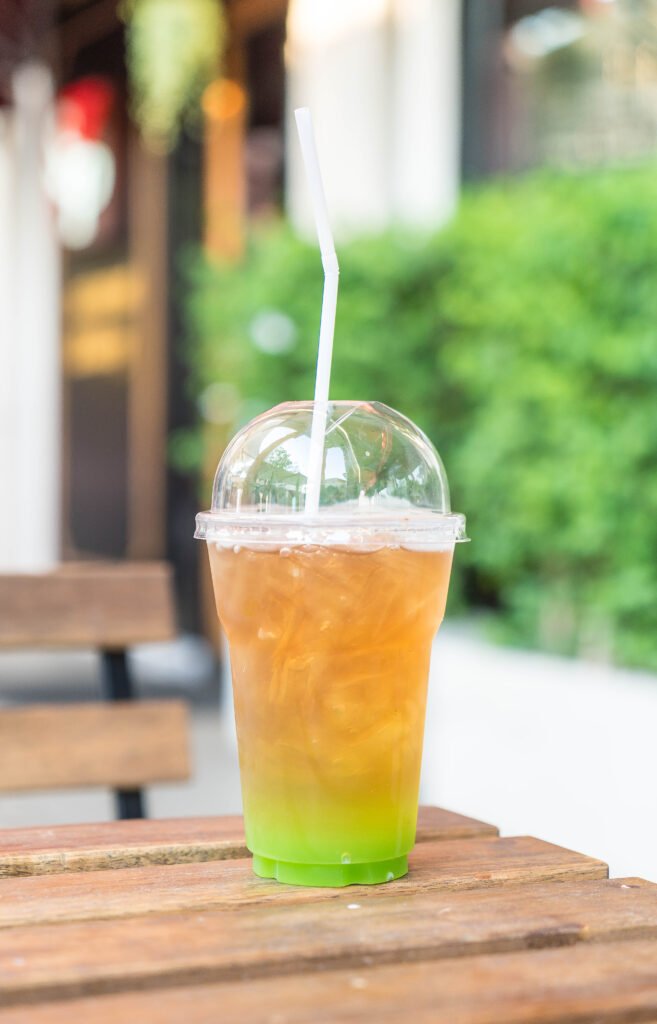
So, what is the truth about cheese tea? It is mainly an infusion of black or green tea, and sometimes even milk, poured and topped off with foamed milk blended with cream cheese and salted. It is sweet like the boba but ends on a savory note.
The straw is unnecessary! To enjoy the full experience of the zingy, delicious cream cheese topping, the correct method involves sipping from the very top at a 40 to 45-degree angle. This makes it so the sip is at the perfect angle to avoid the foam, allowing a smooth drink, not splashed, just beneath the lid. Commercial chains like Happy Lemon and Gong Cha make it their business, whereas Steap in San Francisco, Little Fluffy Head in Los Angeles, and Motto in Pasadena serve their local cheeses too. Their creamer tops feature a lid that is -much like a coffee lid- designed to let air in without the foam getting splashed onto your upper lip.
Where Is Cheese Tea From?
This differentiating concoction first found its creation in China. Explaining its origin, the actual creator of cheese tea is said to be a Chinese entrepreneur, Nie Yunchen. This flavorful twist started appearing in the night markets of Taiwan, leveling up when vendors began churning out sweet, creamy tea. Like any other sort of tea, cheese tea has also advanced with America adopting the drink recently. With its rather creative approach, it has also earned a position of merit within bubble and boba tea.
What Is In The Cheese Tea?
The unique blend of cream, cheese, salt, and sweetness all began in night markets of Taiwan in 2010. While the markets managed to keep its popularity in Taiwan and surrounding Asian countries, it is slowly making their way abroad. Rest assured, the cheese shredded on top is in fact cheese, processed cream cheese to be precise.
To keep it the traditional Taiwanese way, cheese powder was whisked with whipping cream and milk which were then blended to make the frothy top on iced black or green tea. Salt, the final touch after whisking it all together, is what brings out a cobalt depth to the salt foam while maintaining balance with the tea’s earthy tones.
Cheese tea has had a rich history since it was popularized in Guangdong, China, in 2012. It has undergone many changes, such as substituting powdered cheese with extravagant cream cheese that is frothier than milk. Just like how the frothy topping on lattes and cappuccinos is delicious to sip, the cheese cap on cheese tea is even more delightful to sip, although somewhat thick. Unlike hot drinks, cheese tea is served chilled and often uses green or black tea, although some dare to use other types of tea, such as herbal tisanes or fruit. The way that cheese tea is meant to be enjoyed is to sip it in such a manner that the sweet foam blends with the tea. The combination yields an extraordinary burst of flavors that melt in your mouth. This is exactly why cheese tea is not consumed through straws or ice. Straws are not used because specialized no-straw lids allow you to sip cheese tea hands-free while on the go.
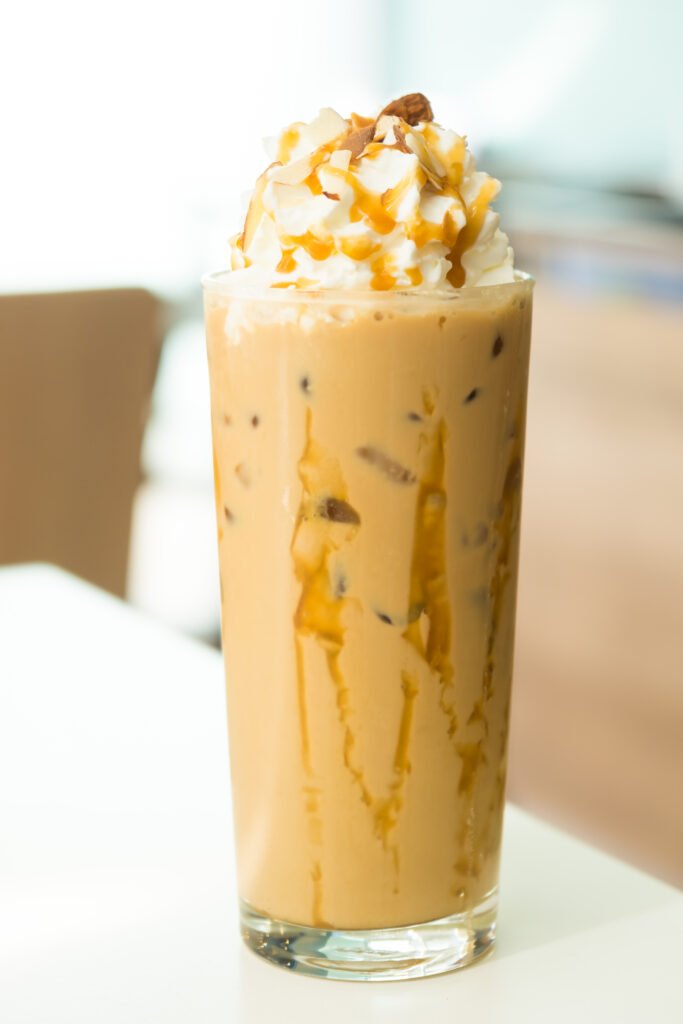
The 4 key components that make an exquisite blend lie in the tea. First, the tea is either black or green, but it also includes herbal tisanes, oolong, and even white tea. The second equally important ingredient is cheese, which may be whipped cream cheese or, more conveniently, cheese powder. The frothy crown is created by whipping cheese with cream or milk. A sprinkle of salt adds an alluring taste, which, combined with the creamy sweetness of the cap, becomes enchanting under the earthy, often floral tones of tea.
One might argue that cheese is the most straightforward and rational component in the dish and up to some point this claim stands. While the name implies a cheesified affair, cheese tea is more of a delightful topping consisting of softly whipped cream cheese with icing sugar blended into a light form that rests atop both black and green tea.
It is also affectionately and humorously referred to as naigai cha, milk cap tea, or even cheese mousse tea, which describes the dish’s luxuriously thick texture.
Cheese tea is not an exception to the rule, and as with other dishes, its preparation may vary. Adaptions are fully accepted, however, most recipes contain a base of traditional black or green tea with added milk, soft cheese, icing sugar, and that all-important pinch of salt.
Is There A Method Of Drinking Cheese Tea?
Consider cheese tea an iced latte’s cool cousin: a refreshing cold brew tea augmented with a velvety froth resembling the head of a carful beer. When your cheese tea arrives, you have a choice: like in regular tea, you can stir everything together, or like most people, you can tilt the cup 45 degrees, sip the foam first, and allow the tea to follow suit.
Our top tip for enjoying this nuanced beverage with unexpected flavors is to avoid ice and definitely skip using a straw. If you use a straw, you will not notice the delightful, thick mousse-like topping, and the wonderful foam will evaporate before you get any real taste.
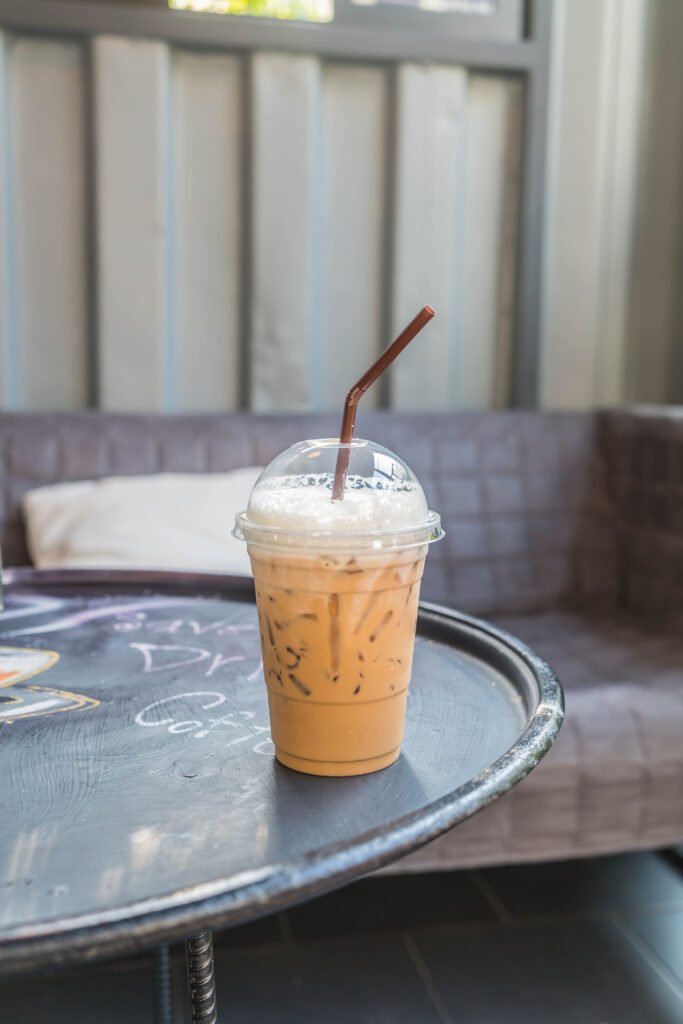
Indeed! In an attempt to maximize your cheese tea enjoyment, the easiest and most ideal way to have it would be to take it off the straw and tilt it while drinking directly from the rim of the cup. This way, the rich cream cheese foam splashes into your mouth, blending with the icy tea, while you enjoy the layers in reverse order. In this case, if you use a straw, you will drink the tea first and then the foam after a lackluster, anticlimactic end, which defeats the point of order in this magnificent marvel.
If you are single-minded and adamant on using a straw, there is a specific way to do it. Position your straw higher so that the top does not get cheese foam, and then, while sipping out of the straw, gently push the straw down into the cup. This way, you achieve both the lovely cream foam and refreshing tea at the same time, creating a blend of perfect harmony.
What Does Cheese Tea Taste of?
The most common misconception is that the “cheese” in cheese tea refers to actual cheese. It is more akin to a sweetened cream cheese or ice cream foam that sits atop iced tea. You can put cheese tea together easily with either black or green tea, or the pleasure extends well beyond drinking the indulgent treat. Its taste is one of a kind since the base is a full-bodied, earthy black or green tea. One strong element of cheese tea is the rich, sweet foam that adds creaminess, balanced by just enough salt to not make the drink overly sweet. Feel like trying to make your own cheese tea?
In addition to the plentiful great variations of this delicious tea, the velvety cheese topping can be added to black coffee or even hot cocoa.
A regular cup of cheese tea is estimated to have 150 calories, 10 grams of fat, and 10 grams of simple sugar. The more indulgent the mix, the more those numbers rise.
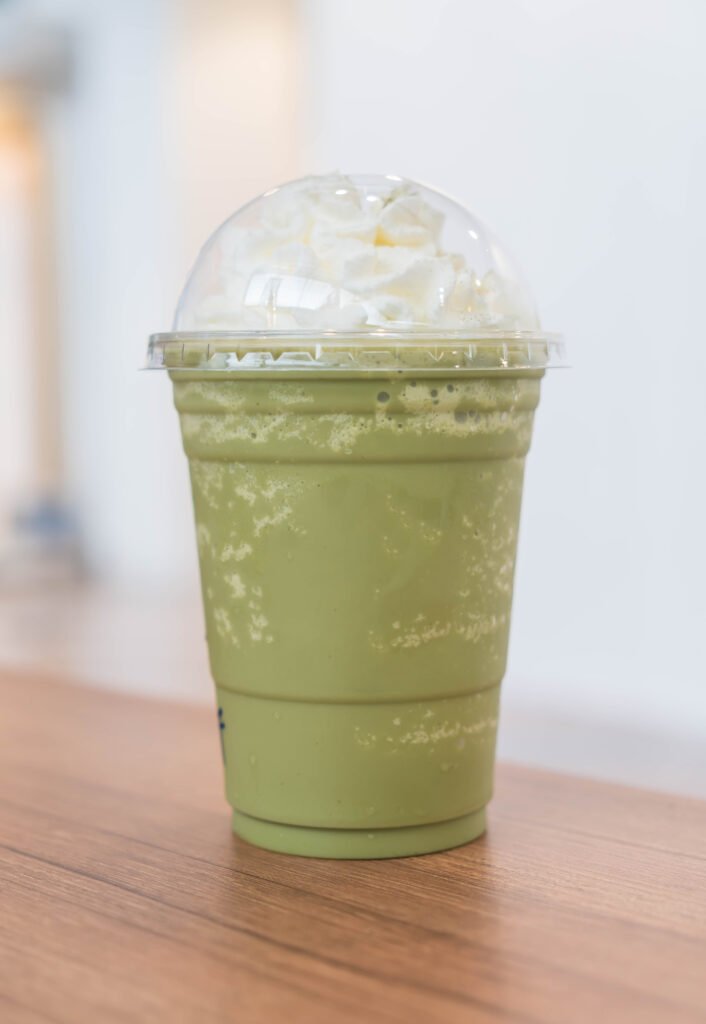
Tea and milk – an everlasting romance. Regardless of how strongly they are linked, tea and milk have not coalesced into the same mug, at least in Britain. The concept of putting a splash of dairy into your cup is believed to have been first described in the foothills of Tibet. (Culinary fad research: The key components of cheese tea are cream cheese, heavy cream, and sugar.) Cheese tea because the aforementioned ingredients are blended and then placed atop a tea drink. Both strained and sweetened cheese tea made its debut in Taiwan and the Chinese region as a spin-off of bubble tea and has since risen in popularity throughout other Asian nations and the US.