7 Latin American Country Have The Fest food
Food is something that brings genuine joy to me. For the past seven years I have been based in Latin America for most of the year–the cultural mix makes for incredible creativity when it comes to classic dishes. This deep immersion is what allowed me to curate this definitive list of the best food from 7 best Latin American Countries. Be prepared for food you haven’t encountered yet and combinations that would be impossible to dream of. At these culinary wonderland destinations you’ll always be left satisfied. However, you will most likely want to eat more, and more, and more… like you wouldn’t want to stop.
Now Which Latin American Country Has the Best food?
So, what is the top country to visit in Latin America if you are a food lover?
Let me explain.
Peru
Peru is famous for being a great country to visit when looking for continental good food, and this is for a reason. Peru is now one of the world’s best-known gastronomic capitals due to its rich and diverse cuisine, which defines itself by its blending of influences from Indigenous cultures, the Colonial Spanish Empire, Africa, and a plethora of immigrants Peru now hosts. Vacationers come to experience the exceptional blend of flavors, ingredients, and remarkable cooking techniques transforming Peru into a one-of-a-kind place for culinary tourism.
It’s ceviche, or raw fish or seafood marinated in citrus juice, and spiced with chili peppers, that is the most common type of dish that Peru is famous for. Other famous Peruvian platos include causa, a layered boiled stone of potato, anticuchos (grilled skewered meats), lomo saltado (stir-fried beef), and ají de gallina (creamy chicken stew). Not to forget that Peru has a variety of potatoes and corn; these Ingredients are essential to make multiple Peruvian recipes.

In recent years, Lima has emerged as one of the most renowned culinary centers in the world. It has many famous restaurants such as Central and Maido which are listed in the “World’s 50 Best Restaurants.”
Moreover, the geographical position of Peru and its ecosystems offer a variety of ingredients to choose from, including fresh fish from the coast, quality meat from the Andean region, and fruits from the Amazon rainforest. This diversity makes Peru a paradise for food lovers.
Nevertheless, Peru is a prime candidate to consider if you are a food lover for experiencing an extraordinary culture.
Most Popular Dishes:
- Pollo a la brasa
- Butifarra
- Papa a la Huancaina
- Ceviche
- Lomo saltado
- Rocoto Relleno
- Aji de gallina
Colombia
Here is the paradise for seasoned tourists; relish the tropical greens which are different from those at home. Don’t forget to try the Lulada (a juice made of Lulo fruit), Champus (a smoothie made of corn and fruits), or a Cholado (a colorful dessert made of ice mixed in with fruits and shredded alongside condensed milk) to boost your energy when craving for some. Cali is the Fruit Capital of Colombia. You’ll never have to walk far to find any local ingredients or natural fruit juices.
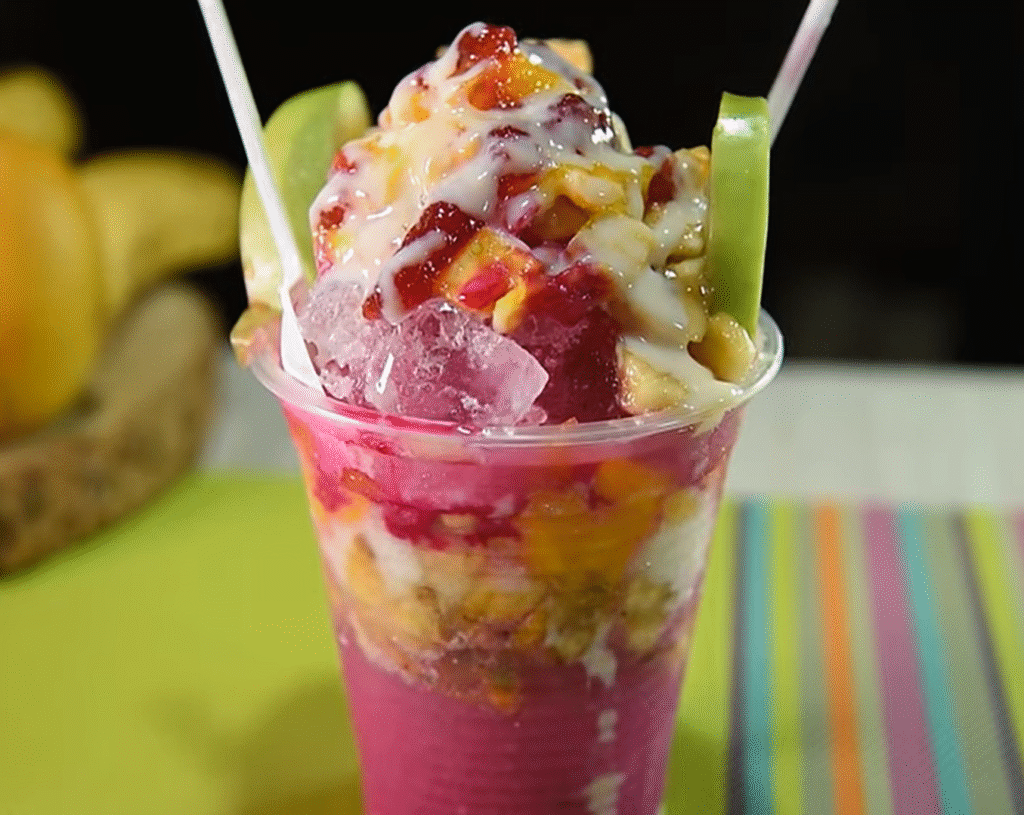
The blend of cultures gave birth to a unique gastronomy with Africa, Europe and Asia influences. From fine dining to the local market (don’t skip Basilia, trust us, whatever you order there will be delicious), there is an abundance of culinary treasures which will satisfy any food lover. Don’t forget to try the Aborrajados (sweet banana stuffed with cheese), Arepas (pancake with various fillings) and the best of all, Pandebonos (soft cheese bread).
Most Popular Dishes:
- Café de Colombia
- Cholado
- Arepas
- Refajo
- Lulada
- Tamales
- Costeño
Miami
Absolutely, argue all you want that Miami is not part of Latin America. Trust me, I can say it’s part of America, and there’s a great Latin influence there. Visit Little Havana and tell me it does not feel like being in Latin America. That, along with the Cuban cuisine, is enough to put it on my list of the best food in Latin America. I am a fan of the Cuban pork, the ropa vieja, the way they do their black beans, the fried plantains, and about anything they make I like.
So why not Cuba? Well, I have not been there yet, but I have heard the food is often quite bland there, that it is not as flavorful as the Cuban food found in Miami, partly a result of the communist regime on the island nation.
But that’s changing slowly, and maybe someday Cuba will make this list.

Most Popular Dishes:
- Lime Pie
- Churrasco steak
- Tacos with a Mojito and Salsa
- Cuban Sandwiches
- Miami Burger
Argentina
For food lovers, Argentina is definitely a wonderful place to visit. The country is famous for its high-quality meat, good wines, and rich culinary culture that blends European and local traditions. Argentine food is known for offering a variety of delicious dishes to please any appetite.
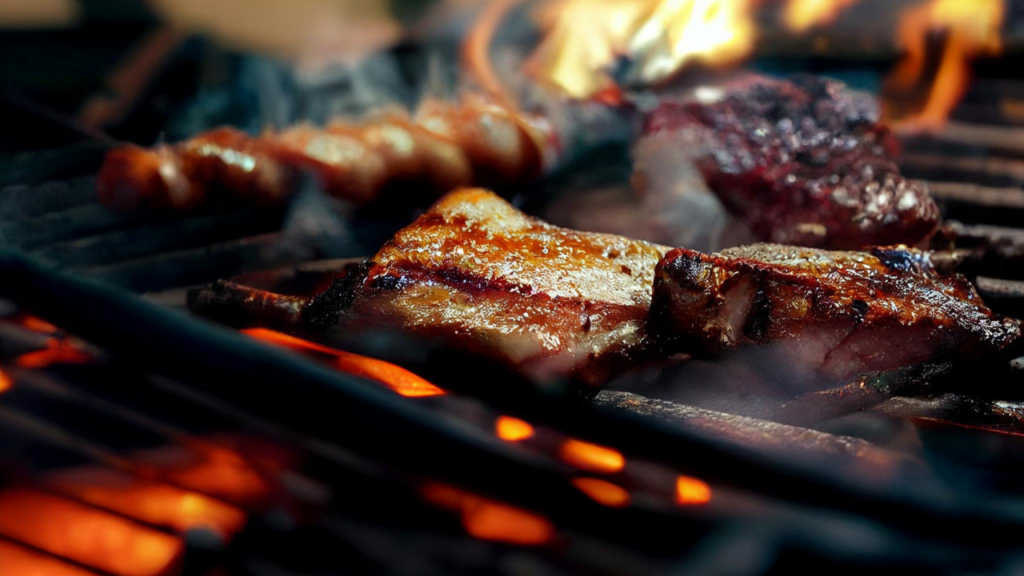
Every region in Argentina takes pride in barbecue and has its own specialties. The most noticeable one is asado. It is a social and culinary occasion where friends and families gather to share a mouthwatering feast, which includes grilling different cuts of beef as well as the famous beef ribs, flank steak, and chorizo sausages.
Asado aside, Argentina is very much known for its empanadas, which are savory filled pastries of either meat, cheese, or vegetables. They are revered as fast food throughout the country comes in numerous regional styles and flavors.

Argentinian cuisine boasts other meat-dominated delicacies too, like bife de chorizo (sirloin steak), milanesa (fried breaded meat cutlets), and provoleta (grilled provolone cheese).
Argentina takes pride in producing Malbec red wine, renowned among other wines globally. Its wineries are located in regions such as Mendoza, and wine drinkers can look forward to exquisite vineyard experiences as they taste paired meals with Argentine wine.
Additionally, Argentina’s Italian and Spanish immigrants have profoundly shaped its culture, which is seen in pizza, pasta, and other Italian cuisines. Buenos Aires itself is a city bustling with Italian trattorias and pizzerias exposed to exquisite dining.
Dulce de leche, alfajores, and mate (an herbal tea) are just some of the many Argentinian dessert delicacies.
Argentinian gastronomy focuses on quality meats and traditional grilling — true to the country’s cultural heritage. Whether one is a seasoned meat eater or wine drinker, or an enthusiast interested in diverse cuisines, Argentina sure has a lot to explore.
Interesting Fact: Argentinian Asado is one of the most favorite dish of our beloved star Lionel Messi.
Most Popular Dishes:
- Asado
- Empanadas
- Choripán
- Milanesa
- Alfajor
- Dulce de leche,
Chile
Chiloe Island is the second-largest island in South America and it may seem remote from everywhere. Prepare for the trip. Expect to step back in time – the untouched nature is jaw-dropping and full of stories. The cuisine of Chiloé sprang from the blending of indigenous flavors and those brought by immigrants, such as Spaniards and locals. Prepare for a culinary experience where local ingredients rule, from a wide selection of potatoes to seafood and pork.
Chiloe’s cuisine is best characterized by the use of earth ovens, shellfish, and a variety of potatoes. It’s here that you will find one of the best-curanto cross over cuisines. Curanto is one of the best. Traditional of the island, it consists of seafood, meat, potatoes, and veggies. The local chefs prepare it in a hole in the ground, just like they used to.
To eat the best?” To have a good Curanto, the local market is the go-to place. Grab a fork and a large appetite. You won’t regret sitting beside the window while the street performers at the traffic lights entertain you.
Chilean food teachers cannot be skipped. Continue your food adventure with Milcaos (a typical pancake that can be baked, fried or steamed), mariscal (a tasty seafood stew made of mussels, clams, and piure), and Cazuela Chilota (a hot meat soup).

Most Popular Dishes:
- Completo
- Cazuela
- Chorrillana
- Empanadas Chilenas
- Charquicán
- Pastel de choclo
- Machas a la parmesana
Mexico
Have you ever thought of a food trip to Latin America? There’s no chance you’ll miss Mexico, right? Not only for the classic stuff — and mmm-so-delicious! — Like taco, burrito, quesadilla, and fajitas, but also for Mexican cuisine, there’s much more. Merida, capital of Yucatan state, is where you’d find the best blend of local and regional foods. The food here will remind you why you fell in love with the Maya and European explorers’ cuisine — over and over again. My friend and I used to order 3 plates of food, which was enough for 2 of us. We ended up gaining a few kilos regardless of dancing a lot. It was. Laugh. Besides the classics, you should also try; Molletes (a Mexican-style baguette topped with refried black beans and a white cheese) Queso relleno (soft Baked pork seasoned and ground cheese with stuffing), Papa dulces (sweet potato), and Cochinita pibil (citrus achiote marinated pork, roasted with grilled onion).
So far, I’ve only been able to explore Mexico’s East Coast, and I look forward to visiting Mexico City and Oaxaca, which are said to be amazing (and delicious) places.
Most Popular Dishes:
- Tacos
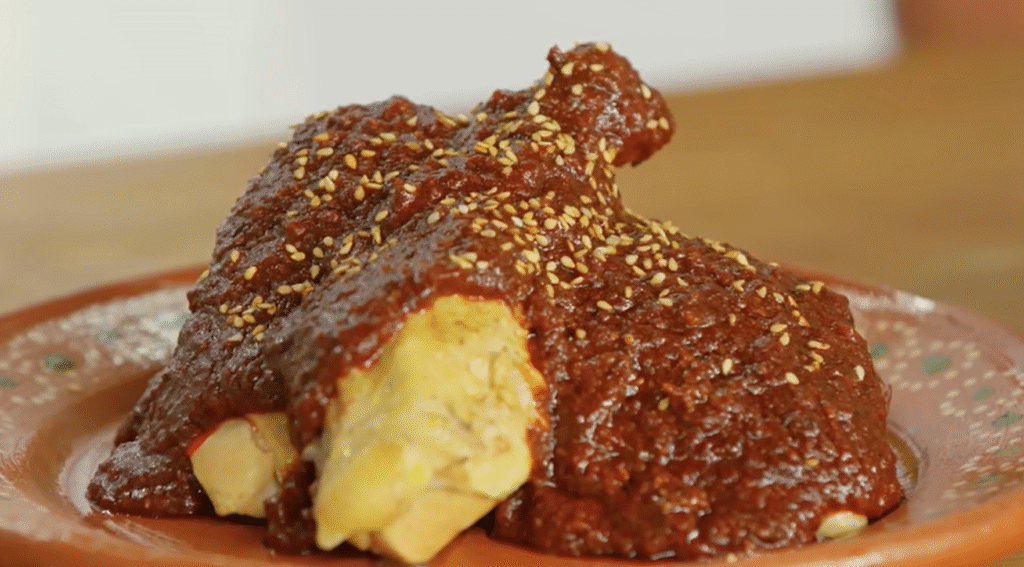
- Mole Poblano
- Carnitas
- Tamales
- Quesadilla
- Pozole
- Tuna Tostadas
- Tortas
- Chile en Nogada
Brazil
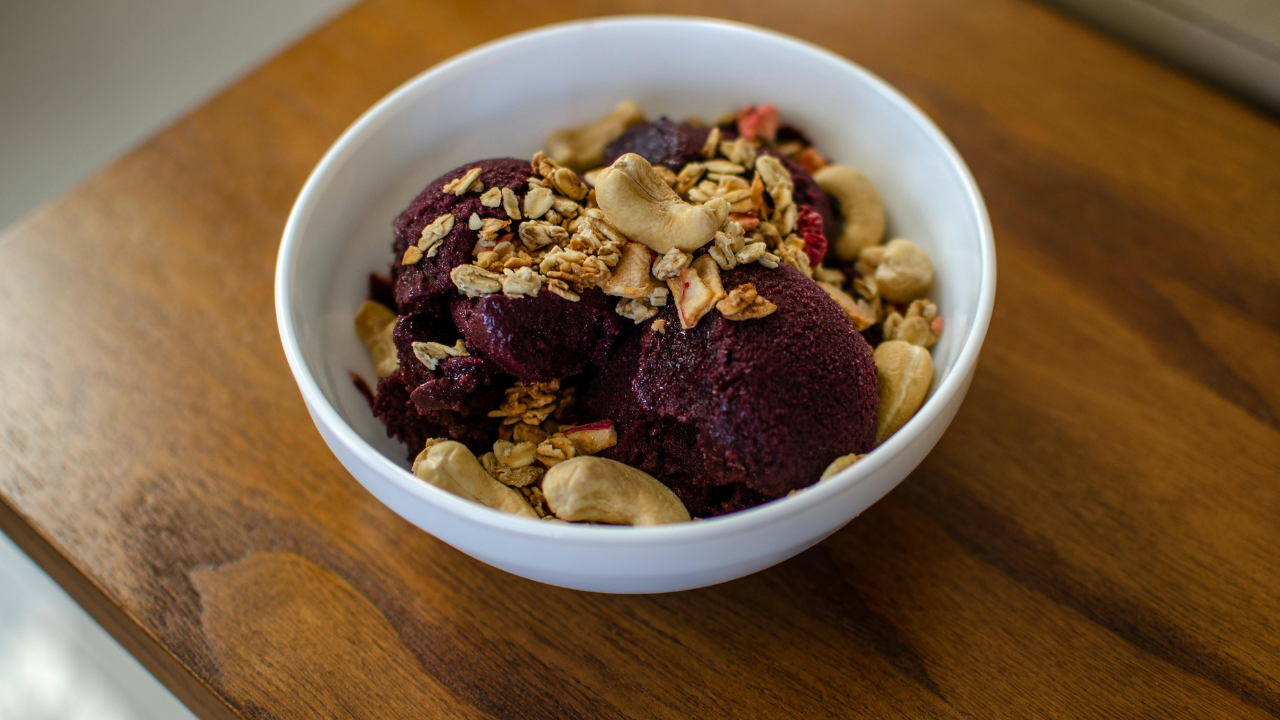
Brazil is also a country to visit for gastronomy. The varied and rich culinary scene for food lovers features many cuisines, dishes, and regional specialties. The diversity of Brazil is reflected in the culture because of the indigenous, African, Portuguese, Italian, and several other immigrant influences. A black bean stew with some cut of pork is one of Brazil’s most renowned foods, feijoada. This is Brazil’s national dish, usually consumed on Saturdays. Another remarkable dish is Brazilian barbecue known as churrasco. It includes numerous grilled meats which is served in rodizio-style restaurants. There, waiters continuously offer different cuts of meat to be served at your table.
With moqueca, a fish stew cooked in coconut milk, and acarajé, deep fried balls of black-eyed pea dough filled with shrimp and other goodies, people from Brazil’s coastal regions are notorious for their seafood. In the state of Bahia, Afro-Brazilian cuisine is present, serving vatapá (spicy nut stew) and creamy shrimp and cassava bobó de camarão. Many hearty foods from Northeast Brazil includes sun-dried beef, also known as carne de sol; tapioca; and cuscuz. Along with these nutritious offerings is the unique Amazonian cuisine with açaí, tucupi, and pirarucu fish, the southern part of Brazil is known for its skewer-style barbecuing, also called churrasco gaúcho.
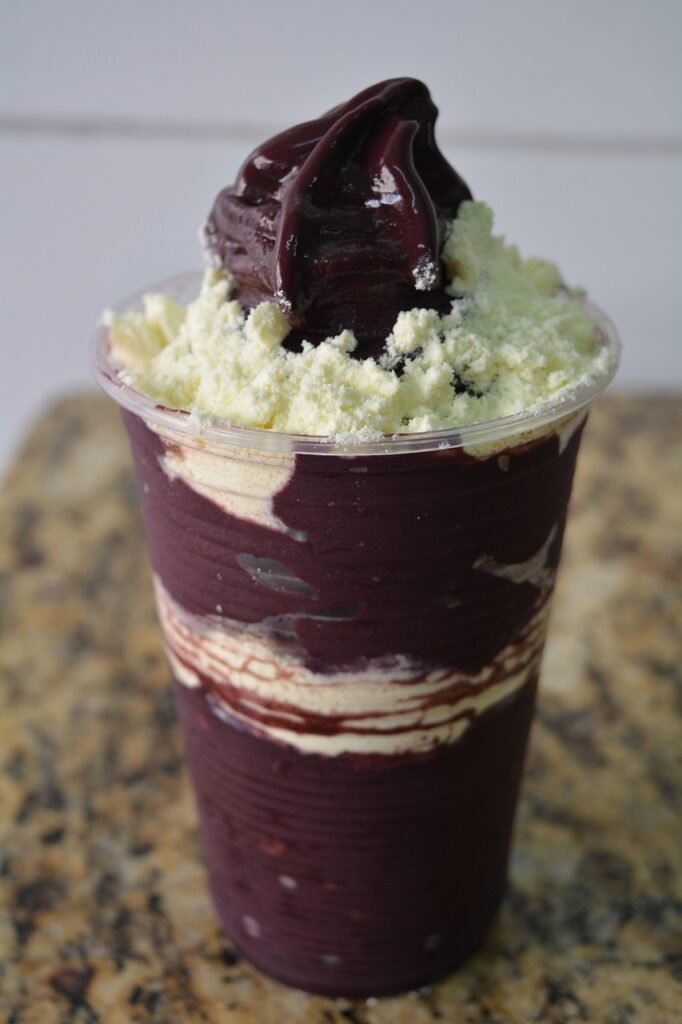
Alongside its varied culinary practices, açaí, guaraná, and cashew fruits are some of the tropical fruits found in Brazil. These fruits are in many juices, smoothies, and desserts. We should note that Brazil is a large country, and every region has its own distinct cuisines, which means you can travel to different places and have completely different gastronomic experiences. In general, it can be seen that the culinary culture in Brazil is so rich and delightful, giving travelers an opportunity to explore and enjoy different kinds of foods and learn the culinary heritage of Brazil.
Most Popular Dishes:
- Açai
- Churrasco
- Escondidinho
- Brazilian Barbeque
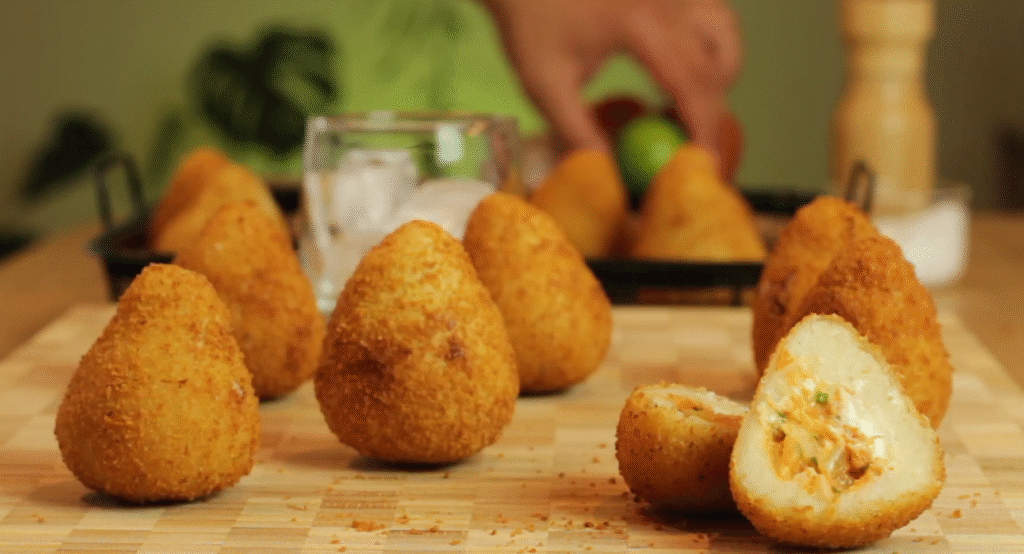
- Coxinha
- Moqueca
- Feijoada
With no boundaries surpassing the zesty ceviche of Peru to the smoky asado of Argentina, and to the bustling street food of Colombia to soulful Cuban flavors of Miami, Latin America presents an unparalleled culinary exploration like no other. Cuisines beyond respected Mexican delights, this undiscovered continent showcases a fusion of spices shaped by indigenous people, colonial rule, migrations, and world history. Even with every country showcasing, borders, boundaries and regions, custom to a diverse gastronomic mastery to uncover new dimension, innovative blends, and surprisingly delightful recipes to dazzle your taste buds. So, grab your bags and a strong appetite for wonder across Latin America, the ultimate destination for food lovers crying out to explore where each bite shared narrates a tale in bright ganache while every meal served turns into a festive experience.

Frequently Asked Questions
Can one country in Latin America be considered the best in terms of food?
It is not possible to determine one country as having the best food since each country has its different tastes and culinary practices. For instance, there is Peru and its renowned innovated cooking and ceviche. Argentina is famous for its barbecued beef and barbecued meat, Brazil is known for its thick stews and street food, and in Mexico, one can find rich and flavorful sauces like mole. A true Latin America culinary tour would make one appreciate the diverse tastes, and see that the ‘best’ food is completely subjective.
How would one describe the gastronomical culture in Buenos Aires, Argentina?
A notable location on the gastronomical tourist map, Buenos Aires, has built its culture around the asado (barbecue) as well as steak, earning the moniker the “Paris of South America.” A culinary adventure in the region would be incomplete without the numerous asado options, ranging from high-end steakhouses (parrillas) to cheap street vendors offering “choripán” (grilled chorizo sausage in a bun). Buenos Aires also has a considerable Italian and Spanish influence, which is visible in the popularity of pasta and pizza, as well as sweet dishes that use dulce de leche.
What is Ropa Vieja?
Ropa vieja is a Cuban dish consisting of shredded beef in a tomato sauce and cooked with peppers and onions. Its name translates to “old clothes,” which humorously references the tattered texture of the beef. Ropa vieja is a cherished classic Cuban comfort food. It embodies the cuisine’s slow-cooked and richly flavored staples. Ropa vieja is accompanied with rice and black beans, which completes the dish and provides a wholesome and satisfying meal.
What is ropa vieja and why is it so popular?
Ropa vieja is a shredded beef stew that is often considered the national dish of Cuba, as well as one of the most popular dishes of Cuban cuisine. The dish is a product of the fusion of Spanish and African culinary traditions and cultures. The rich and comforting flavors stem from the unique preparation method, which involves the labor-intensive shredding of the beef, followed by simmering the shredded beef in a sofrito of onions, bell peppers, garlic and tomatoes. The technique of stewing beef also contributes to the melt in your mouth quality.
Where did Ropa Vieja originate?
Ropa Vieja is believed to have originated in the Canary Islands of Spain. In the Canary Islands, it was a slow-cooked stew prepared from leftover meat and a staple of the Sephardic Jewish community. This type of meat preparation was brought to the Americas by immigrants from the Canary Islands. On its way to becoming the national dish of Cuba, Ropa Vieja was adapted in Cuba and is now prepared with shredded beef, a rich tomato sofrito, and served with rice and black beans. The name “Ropa Vieja,” which translates to “old clothes,” refers to the tattered look of the shredded beef.
What key dishes should I try while I’m there?
With regard to a Latin American culinary journey, I should prioritize the following regional specialties:
- Argentina: Partake in an “asado,” a barbeque featuring Argentina’s high-quality beef cuts, also try a “milanesa,” an “empanada,” and for dessert, dulce de leche, a confection caramel like sweet is a must.
- Cuba: After “ropa vieja,” Cuban sandwich, containing roasted pork, ham, cheese, and pickles is a regional classic. Fried plantain is a must as a side.
- Peru: Peru is famed for serving ceviche, also try “lomo saltado” a beef stir-fry with onions, tomatoes and fries, a result of Peru’s ancient Chinese culinary influence.
- Brazil: Make sure to try “feijoada,” a black bean and pork stew, and “moqueca,” a stew made of seafood and rich coconut milk.
- Colombia/Venezuela: The arepa is a circular cornmeal bread that is a staple in the region. You can find arepas with a variety of fillings.
What accounts for the diversity of Latin American cuisines?
Diversity in Latin American cuisines can be attributed to several historical cultural interactions. The basic indigenous foods of corn, potatoes, and chili pepper, and the introduction of wheat, rice, and pork and new cooking techniques by European colonizers, mainly the Spanish and the Portuguese, shaped foundational dishes. The addition of spices and seasoning from the African diaspora, especially with the incorporation of plantains and okra, further diversified the cuisine. These foundational cuisines in Latin America are so numerous that each country has developed a wide variety of regional cuisines. A single Latin American itinerary, for example, can include the spicy foods of Mexico and the rich, stewed foods of Argentina.
What are some must-try dishes if I’m on a tour of Latin America?
A food tour in Latin America is incomplete without the continent’s traditional dishes. In Peru, ceviche—a dish of raw fish marinated in citrus—must be tried. In Brazil, one must eat feijoada, a meat and black bean stew. In Mexico, the sauce mole will give you a unique, multi-layered flavor. In nearly every Latin American country, you will find some version of empanadas, a savory pastry and South American staple.
Is fried plantain a common side dish throughout the region?
The answer to that question is yes. Dropping fried plantain is a common practice across South America and the Caribbean region. Its versatility allows the dish to take different variations based on the ripeness of the plantain. For example, twice-fried, unripe (green) plantains can be blended to make tostones which are served with plantain dips. Fried plantains are sweet with a caramelized texture and make a fine accompaniment to savory dishes such as ropa vieja, as well as plain rice and beans.
What’s the food like in Buenos Aires?
Buenos Aires is the capital of Argentina, and the food culture in the entire city is primarily centered on meat. As a result, meat is regularly served in all the meals of the day. The practice of “asado”, which is another name for “Argentinian barbecue”, is a common social practice, and “parrillas”, which are accompanied with barbecue, also serve the city’s grilled beef. A significant portion of the food culture in Buenos Aires is European, particularly Italian. For this reason, the city is rich in pasta and ice cream (helado) shops.A culinary tour of Latin America would not be fulfilling without a stop in Buenos Aires since the city is famous for its steak and vibrant cafe culture.
Is beef the primary focus of South American cuisine?
Argentina, Uruguay, and Brazil, famous for their beef, are not the only countries defining South American cuisine, which is composed of numerous other important elements. Each part of South America is characterized by a different and substantial variety of foods. For instance, Peru and Chile have cuisines that center on coastal seafood. Bolivia and Ecuador, situated in the Andean highlands, have dishes made with potatoes, quinoa, and corn. The Amazon basin’s cuisine includes a variety of fruits, fish, and many other complementary ingredients. Overall, South America is rich in diverse foods, but beef is a significant part of the continent’s extensive culinary offerings.
What is the connection between food and culture within the Latin American region?
There are many meanings food can take on within Latin America, and food, at times, can take center stage in the transformation of a person’s identity and culture at a certain time. Picture a meal, for example, a legal holiday within the region. No extensive culinary explanation would be required to spell out the details and the quintessence of the dish to the population in attendance for the legal holiday, and quillaguas (often called “quillaguas” and, in the region, “repasadores” is most commonly used), would be shared, passed, and consumed. The people celebrating a social legal holiday in Latin America would be the ones to take care of the specific food items, and for the people, the specific food items. Food meant for a meal in a social legal holiday in the region can be taken for example. In the informal social legal holiday celebrations and festive social holiday meals, the meanings are in fact, quite similar, culinary items and all.
Most cities have marvelous culinary experiences, but Lima, Peru, continues to be declared the gastronomic capital of South America, recognized as the “World’s Leading Culinary Destination” a number of times, and has a number of awards winning restaurants. However, for a different but also rewarding experience, Buenos Aires should be a must. The food scene in the city greatly reflects the European immigration, and is largely centered around high-quality beef, fine wines, and sensational Italian pasta and ice cream, which also includes the very fine ice cream. When looking for a more laid-back and equally authentic experience, the street food of Mexico City and the seafood of Santiago, Chile, should be on the list.
The fried plantain is a dish on its own, but it is also incorporated in more dishes in Latin American cuisine. Green plantains are mashed together with pork cracklings in the Puerto Rican dish, mofongo, and in the Ecuadorian bolón de verde, green plantain dumpling. Ripe plantains are prepared in sweet, stewed dishes, often cooked in a spiced sugar syrup. In several regions, plantains are a staple and are used in a variety of soups, stews, side dishes, and dishes as a dietary staple.
What drinks are traditions and specialties in Latin America?
A gastronomy-focused tour in Latin America includes drinks as well. In Peru, Pisco Sour is a national cocktail, which is made with Pisco (a type of grape brandy), egg white, lemon juice, and sugar syrup. In Brazil, the most famous and refreshing drink is the Caipirinha which is made with cachaça, sugar, and lime. And in Argentina, yerba mate (a bitter, caffeinated tea) is the traditional drink and a symbol of friendship. In the mate cafes of Buenos Aires, you can find mate, or you can buy the gourd and bombilla (straw) to prepare it yourself.
What are some renowned street foods one might enjoy while traveling throughout Latin America?
In Latin America, every street food tour is expected to sample the treats of each nation in this region. For starters, in Mexico, food stalls first serve customers tacos, elotes, grilled corn, and sweet or savory tamales, among other food items. Columbia and Venezuela, on the other hand, arepas are widely consumed as street food earning them the title of popular street food and are served with a diverse assortment of fillings including cheese, meat, and avocado. In Argentina, nearly all street corners have choripán, grilled chorizo on bread, and empanadas, widespread street food staples. Finally, in Peru, a must-try street food is anticuchos, marinated beef heart grilled on skewers. The price and speed with which one can obtain these demonstrate the cultural and traditions.
What is the food and wine scene like in Buenos Aires?
Aside from being a meat destination, Buenos Aires is a stop for wine lovers. During a Latin American trip, Buenos Aires is among the main cities in Malbec-producing Argentina. It is possible to enjoy a great steak from a parrilla and a hearty local Malbec. Apart from the wine and beef, the food scene in buenos Aires offers fascinating Italian-style pasta and has a coffee and pastry culture which is continental, capturing the essence of Europe.
How does the cuisine of South America reflect its geography?
From the Andes to the Amazon, South America is diverse and the cuisine reflects this in numerous ways. Based on geography, Peru and Chile’s coastal regions can create ceviche with seafood. The highlands of Bolivia and Peru, where potatoes and quinoa were cultivated and remain staples in the cuisine, are also important. The pampas of Argentina and Uruguay are extensive for beef cattle ranching. It is this variation that is captivating to the cuisine in South America and to investigate it.
In Latin America, what drinks should you try?
Latin America’s diverse culture also values drinks worthy of sampling. Peruvians offer a sample of the pisco sour, which combines grape brandy, lime, and egg white with a tangy finish. One may sip a caipirinha, Brazil’s national drink, which is a refreshing cachaça cocktail made with sugar and lime. Argentinians accompany the ritual of drinking yerba mate, which is a bitter and caffeinated communal tea, with the traditional yerba mate. The Caribbean classics, mojito and Cuba libre, made of rum and perfect with ropa vieja and fried plantain, are a wonderful finish.