Serving Food As An Art Form| Psychology, History & Etiquette
Serving food involves more than just taking food from the kitchen and placing it on a table. It is an intricate practice that is psychological in nature, and there is a lot of artistry involved in its execution. It has a deep history that has shaped modern-day hospitality. This document delves into these historical facets in an attempt to prove that serving food has a fundamental aim of boosting the sensation, feelings, and physicality of the audience.
Psychology of Perception (Sight)
The first step in the dinner experience is visual for excitement is sparked by the amount of effort put into plating. This translates into the brain where 50% of the brain is dedicated to interpreting visions. This indicates a level of sight domination which allows a meal’s visual aspect to create an initial impression, allowing a diner to change their level of enjoyment during their meal.
The impact of visual perception and consumption has been studied and it has been found that the interpretation of ‘food’ can be stronger than the body’s physiological reactions. Research shows that when a serving dish is on the table, people tend to eat between 20% and 29% more than when the dish is left in the kitchen. ‘Satiety Illusion’, is a phenomenon in which internal body signals of fullness get clouded by external cues. This has real consequences for health, and is the reason for overconsumption and health issues. It has a dire effect on the environment due to the large, unfinished portions that significantly add to food waste.
When it comes to food service, it involves much more than just the presentation of the food given to the customer. Each and every detail, from the arrangement of the food to even the distance from where it is served from, plays a crucial role. This serves in dictating the amount of food consumed and in the end, serves to aid the customer in better management of their personal health. In a more business-oriented perspective, it helps in cutting down waste which reduces overall expenditures of the business.
Why Serving Used to be Focused Purely on Utilitarian Goals & is Now Crafted as an Art Form
When it comes to the history of food service, it goes hand in hand with the history of travel and societal progress. This was from the early inns and taverns of Europe in the medieval ages onto the small bar-restaurants in Greece and Rome. These catered to the people who did not have a kitchen and were always on the go.
The modern restaurant we know now has its roots in France and China. In 1200s China, the bustling, overcrowded cities of Kaifeng and Hangzhou birthed the first restaurants, which were known as “ethnic restaurants” as they served food from the trader’s home regions to the passing merchants.
It involved a very dramatic and sophisticated performance as a group of “singing waiters” took orders and then executed them flawlessly by balancing as many as twenty hand-to-shoulder dishes at a time. Such a model of food service as a performance-system derived from the Chinese culture. It placed food service as the first designed and delineated distinct occupation of the profession, where efficacy and output took absolute priority dominion.
A dissimilar custom developed in Europe. The “table d’hôte” allowed, at a predetermined time set in the fixed price of the meal, a communal dining experience in the absence of menu choices. It was in 18th-century France where the genuinely modern “restaurant” began to emerge. The term stems from the French verb restaurer which translates to, “to restore oneself.” The first French restaurants were unique in that they offered the freedom to choose dishes from a printed a la carte menu, as well as the freedom to dine at any hour, in a stark contrast to the rigid table d’hôte system. The leap was a giant leap toward dining that put the consumer at the center, a trend that is still very much the case. It was the French Revolution that advanced the food industry as public venues were set from secret chef knowledge of noble houses. This led to the element’s progression, known as the brigade system.
This journey from a static menu to something more personalized and fluid is a deep societal movement that personalization and consumer agency are on the rise while transforming service to focus to the diner’s ‘wants.”
The Plate as a Canvas
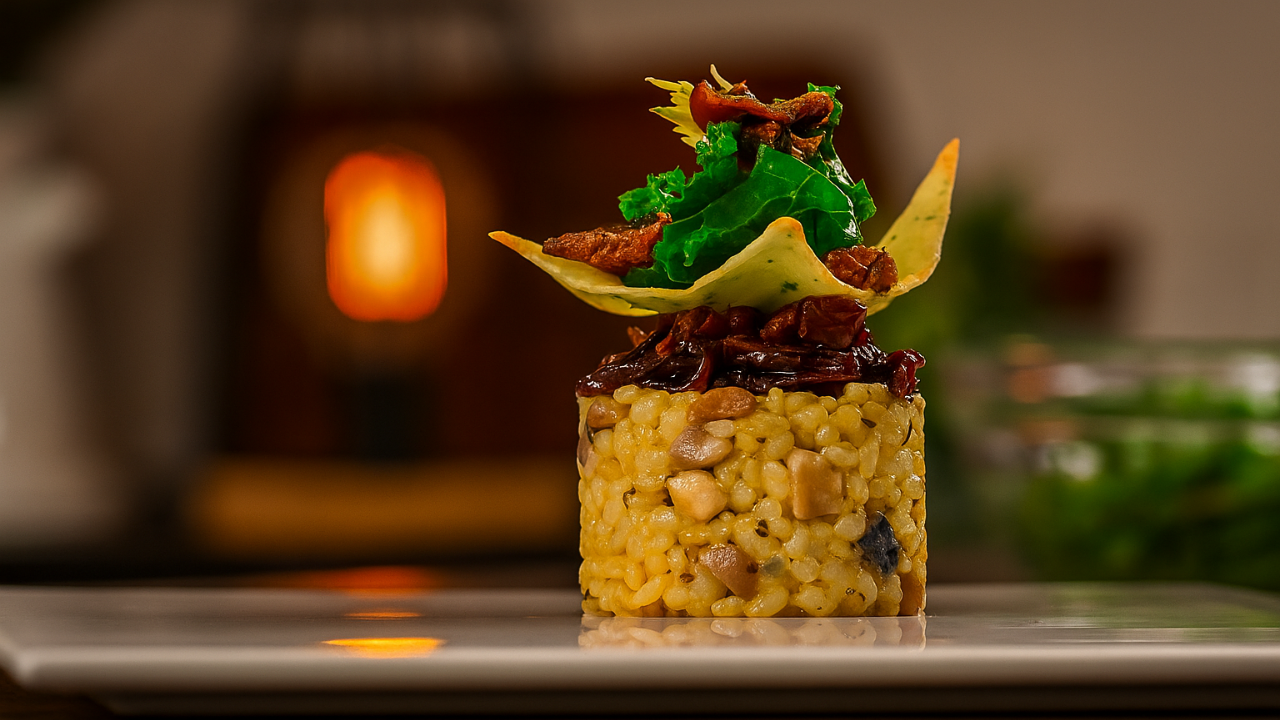
Plating is the art of transforming food into a dish that is both delightful to the taste and sight and can be appreciated through other senses. As an art, it is a discipline that encompasses color, balance, proportion, texture, and the use of space and ignores other elements. Each dish is a story and each plate is a blank canvas as the centerpiece is harmoniously merged to host the guests of the plate while all other elements share the spotlight equally and to the harmony of the guests.
Geometric art can help achieve greater balance as an all art includes rules. The Rule of Thirds is the simplest to use as the main item lies off center in a more dynamic and engaging scenario. The Rule of Three creates a balance and visual appeal which is less rigid than a symmetrical arrangement. It is suggested that the components be presented in odd numbers, which is typically three. If each principle is applied with consideration, the act of presenting food transforms from a simple action, to a carefully designed experience that triggers all the senses.
Presentation
Philosophy aside, the act of plating food and portioning is the stage where proficiency is demonstrated. This chapter is a compendium of methods that elevate simple ingredients to the status of a masterpiece and a dish to a harmonious experience.
Basic Techniques of Plating a Dish
- Plating a dish encompasses a range of techniques from the oldest to the newest, each of which aims to ensure a dish appears designed and attractive.
Classic Technique and Contemporary
- Clock method: This particular method allows flexible and free approach to plating. Proteins are commonly depicted on the plate between 3 and 9oz. around 10oz. 10oz. starch and edges of the plate around 2oz to 3oz. veggies. This technique avoids over plating the dish while also ensuring balance to the casing of the dish.
- Rule of Thirds: As with the plating of the dish move on to the sides first, suggesting to the diner naturally with the centerpiece (hero) and then the rest (supporting) of the elements and conex sauces.
- Adding Ventilation Height: A stunning yet simply stunning technique in plating is to enhance the vertical spacing of the plate. This gives the plate a pleasant sense of character. Rather than having flat pieces of artwork add dimension. A steak layered on skirts over the bed of lentils gives the flat layered presentation of the plate a stunning feel of sophisticated 3D sculpted frame.
- Negative or Empty Space: Space around the dish in the plate adds to the pieces with a nice frame. Rather than designed dish, too much dry space around makes the food look disconnected or lonely. Negative space emphasizes the dish itself letting each component shine.
Plating Methods
- Minimalist Plating Method: This method emphasizes art with something as simple as stylized lines with enough “empty space” for appreciation.
- Contemporary Plating Method: This focuses on rigid primary shapes with flowing lines and bold chromatic contrasts.
- Rustic Plating Method: This dishes concentrate on show more love and care with bountiful amounts generously and casually placed for a more organic feel.
- Deconstructed Plating Method: This gives the taster an enhanced experience with a familiar dish with separated components for attractive arranged art on the plate, encouraging interactivity.
Strategic Uses of Sauces and Garnish
Sauces and the garnish serve primary purposes of flavor and dish appeal. The proper use of a garnish means it is something a person can eat and “enhances” the dish with texture, color, or flavor. Most importantly, the main flavor is conserved and served as a centerpiece. This is a prime example of thoughtful design, “form and function” principles of culinary art.
An expert understands that the sprig of parsley or the sprinkle of paprika has purpose beyond simple decoration; it adds a note that enhances the whole sensory experience.
No less important than the dish itself, the sauce adds flavor, moisture, and a visual element. Plating sauces is often an artistic endeavor, transforming the plate into a work of art. Some of the more common techniques include
- Smeared sauce: a thick layer of sauce is applied, and using a spoon, the sauce is “dragged” across the plate, creating a long, dynamic smear.
- Accent Dots: rhythmic, color contrast dots of sauce are added to the plate using a squeeze bottle to create.
- Swirled sauce: the plate is put on a turntable and a continuous stream of sauce is added to the plate. This creates a spiral shape that looks mesmerizing as the plate spins.
These techniques are a form of art, attempting to communicate a message using flow and flavor. The smear of sauce is more than a pattern; it is a vector of flavor that is strategically designed into the dish as an element of the visual framing, creating harmony between taste and the visual aspects of the dish.
The Science of Portion Control
The idea of portion control is an interesting meeting place between self-wellbeing and professional productivity.
It is essential to tell the difference between a “portion” and a “serving,” with the former meaning the amount of food one chooses to eat and the latter being a fixed and measured quantity of food.
Any person concentrating on health and mindfulness will tell you that visual aids to portion control is a strong mechanism. Using familiar objects to help with portion control such as a deck of cards to represent the recommended amount of protein, a tennis ball for fruit, and a baseball for vegetables is the easiest thing ever. “Plate Division” is another method that seems to help a lot, as you simply tell your brain to divide your plate into half, with a choice of other proteins, or even one-quarter of healthy carbohydrates. These aids help ease the burden of constant measuring and restriction.
For a professional food service establishment, portion control is a practice that enables a business to make profits, and serves as the basis for customer satisfaction. Most food establishments make it a point to get their customers satisfied with the amount of food served. Standard portion sizes are also essential for reliable nutritional information, a demand from diners who are becoming more health conscious. On the other hand, food portioning systematization is crucial from the point of view of business profits, to manage all expenditures appropriately. Portion control enables in the reduction of food waste and improvement of controlled inventory.
Individual health practices (like maintaining health portion control) and a business’s bottom line (like maintaining control over costs) is an example of a paradox where purpose is shared as these two opposing ends of the spectrum (quality versus efficiency) meet.
Act of Style, Etiquette, and Cultural Differences
Serving food is an example of a performance which is focused around a particular style, etiquette, and cross cultural concepts. The style of serving that is chosen determines the entire ambience of an occasion (its formality and social aspects).
Different Methods of Serving
Any business event that is strategically analyzed how the food is to be served is often a case of choosing between three main styles of serving. Each of the three serving styles has its corresponding benefits and drawbacks.
Plated Service – In this form of service, plated meals are served as courses. In addition, the guests are seated while the waiters serve each individual course. This form of service is served during the wedding ceremony, galas, and banquets as it is the most sophisticated.
Buffet Style – This is the most relaxing and engaging form of service. Guests are able to serve themselves from the various meals on display. Buffet meals are served during corporate functions and family gatherings due to their flexibility.
Family Style – This form of service is beneficial to smaller groups. Family style service has elements of both plated and buffet service. Guests are served large portions of the meals, with the mates then being placed on the table to serve themselves. This allows for closeness and sharing among smaller gatherings.
The Choreography of Multi-Course Meals
Each step of preparing a multi-course meal requires extreme focus and consideration, as each plated course tells a different part of a unique tale.
The set of dishes is planned around improving taste harmony, digestion, and satisfaction until the end of the meal.
The experience starts with the amuse-bouche, a single, flawless morsel sculpted by the chef meant to rouse the taste buds and set the mood for the meal. Subsequent Menses like an appetizer or soup layer on the foundational tastes while incorporating critical techniques or elements.
Palate cleansers, like a light salad or sorbet, are served before the main course to “reset” the taste buds, fully appreciating the new and richer flavors that come after. The main course, or “showstopper,” is served alongside the dessert and, at times, a mignardise, which is the last little sweet bite that rounds off the meal. The main course, or ‘showstopper,’ is the most imposing dish, perfectly balancing top-notch ingredients and satisfying portion size. The pacing of these courses is critical. With each transition, feeling of anticipation is built, ensuring that the entire experience is seamless and well-timed.
Professional Service Etiquette
The intricacies of formal service are to the effect of a masterfully crafted silent play, with each movement and gesture falling under a rigid, yet gracious, set of rules. The aim is to provide “quiet and unobtrusive” service, with the staff as busy little bees while the patrons are deep in conversation.
It enables diners to feel less confined by serving and clearing from the left side of the guest. Traditionally, the right hand clears a used plate while the left places a large one, ensuring there is never an empty space in front of the guest. The pacing of service is also set: food is served to the right in a counter-clockwise motion while beverages are to the left, clockwise. Professional servers are also trained not to touch the rim of a glass or the underside of a plate in order to maintain sanitary and presentable conditions.
Global Dining Etiquette
Cultural dining etiquette is a social norm in the form of a code of conduct which indicates propriety towards an inherent culture and its practices. The absence of the knowledge of such principles can lead to an offending and unpleasable dining experience. Simple etiquette in a defined country, an area may seem absurdly rude when practiced in another territory. For instance:
India: Eating is done with one hand, but to use the left hand is to be unclean and is considered the hand of sanitation.
Italy: It is a great offense to cut pasta with a knife. A fork should be used to twirl the pasta to appreciate the dish properly. Similarly, ordering a cappuccino after 11 a.m. is perplexing because Italians believe the later in the day, the more disruptive to one’s digestion the milk becomes.
Japan: Slurping noodles is not just permitted, but is often lauded, as a gesture of respect for the meal and the chef. However, a significant cultural faux pas is made when chopsticks are poked vertically into a mound of rice, as this act is reminiscent of the incense used in many funerals.
China: A soft belch is heard as a method of showing gratitude and the utmost respect for the chef.
These examples above go on to show that serving food and dining is not about the food alone, but rather, the appreciation for the traditions and social etiquette that have been sustained for many years.
Tools and Environment
The elements unrelated to food and beverage prepared for consumption: tableware, glassware, and cutlery. These elements, perception-wise, work as functional tools, as well as design elements, to enhance the experience of consumption, from subliminally directing the gaze of the diner to the table, to controlling the taste of the beverage.
The Role of Dinnerware
Dinnerware acts as the blank canvas for the meal and its selection is a purposeful act of design. Plates. As with any other tableware, must serve a purpose as well as please the eye. A plate’s shape is pivotal. A round plate is more traditional and versatile as compared to square and angular plates which have a more contemporary artistic appeal. A plate’s size must be proportional to the portion on the plate. A plate that is too large makes the meal appear small and lost, and the vice versa for a plate that is too small.
The color of the dinnerware has also been shown to greatly influence a diner’s perception. In finest of dining, for example, white plates are preferred because they allow for a canvas backdrop that enables the colors of the dish to be appreciated. Darker plates, on the other hand, create a more striking effect on lighter dishes because they offer a contrast. Thoughtful correlation of the dinnerware to the food being served is critical. For instance, fish that are longer in shape are best served on oval or elongated plates.
You can use deep bowls for stews and soups while the patented shape of pasta bowls, with their shallow well and wide rim, can hold sauces while aiding in noodle twirling. The combination of using multiple colors, patterns, and textures can give the table setting a creative touch, changing the mood for the meal.
The Language of Glassware
Glassware is a distinct classification of vessels that serve to amplify the taste and fragrance of the drink consumed. No form of a glass is random; every shape is engineered to achieve a particular outcome with the liquid inside. For instance, red wine glasses are big and wide so the wine can “breathe,” aerating and releasing the wine’s aromas and complexities. On the contrary, white wine glasses are smaller and narrower to maintain the temperature of the wine and to concentrate the more delicate, floral aromas.
The selection and placement of glassware on a table is equally important on the level of beauty and practicality. Each glass is made with a purpose; a tall, narrow flute is for the fizz of champagne while a wide-mouthed coupe is for the aroma of a shaken cocktail.
The arrangement of glassware permits guests access to all necessities without the table feeling cramped. Typical setups may feature a water goblet positioned directly above the main dining knife, with the wine glasses to the right. For more complex meals, a triangular or diamond configuration may be used to accommodate various wine glass styles.
Purposes and Relationships of Objects
The selection of the serving utensils leaves the serving host, or the restaurant, a badge of honor for the scrutiny to which they pay to the “small” details. The purpose of an utensil and its subsequent form must align, for instance, a serving fork with prongs is designed to stab solid forms such as meat and or vegetables, whereas a serving spoon is appropriate for soupy and pasta-like dishes. The material from which a utensil is crafted is profound, for instance, a serving utensil for a ceramic dish made from softer materials such as wood or resin is considerate as the utensil’s softer material dampens the noise of scraping and lessens chances of chipping. Attention must also be allocated to the arrangement of serving utensils. In a buffet style setup, each dish must be assigned its own utensil for serving to ensure no utensil-touching cross-contamination occurs.
Risk Management & Routine Action
Artistry to the supreme level of food service is coupled with the strictest safety methods and the bankable provision of the food service’s quality.
Foundational Food Safety
Part of serving food is making sure that you practice food safety. One of the main points you have to get is food safety is about the foil and the Danger Zone, the temperature range of 40 degrees to 140 degrees. In these temperature ranges, foodborne bacteria multiply the fastest. This is one of the main issues that leads to food being contaminated and illness being spread. It is crucial that you keep hot food at 140 degrees or warmer and cold food at 40 degrees or below. Foods that are hot can be placed in chafing dishes or warming trays. Cold food can be placed in ice baths and chilled serving wells.
Atlantis within water vapour comes more complex tasks that superb servicing implements. It is known in the professional world that food that is lukewarm is submerged in the water in the hot-water cavern, insane. In the same time, bacteria growth is being eliminated, the food temperature is kept, and the food’s texture is great. The food’s texture and temperature is crucial to a good time at a restaurant.
The old “2-Hour Rule” says with perishable food, it should not be kept out for more than two hours. And if it is more than 90 degrees outside, that time limit goes down to one hour.
How to Correct Serving Mistakes
“Minor” mistakes, as some would say, can ruin someone’s entire dining experience. Service defects can be as little as having one of the waiters wear too much perfume, then not letting the patron be able to taste the food. Another mistake can be that the waiter loses the customers steak knife and makes the customer wait. Lifting a glass with her fingers touching the brim of a glass where a patron is to drink from is an even more nefarious one. She would argue it is professional, but the unrestrained lack of a more proper way to serve the drink, exposes the glass, and therefore the patron, to the point where one feels a discomfort.
When it comes to “business” it goes without saying that the consequences of a mistake can be more severe. For example, an unstable temperature is the result of proper food placement. Placing the hot food in the cold well, and the cold food in the hot well, is a classic example.
An advanced level operation assuages these risks by taking proactive steps like deploying digital ordering systems to eliminate slip-ups as well as miscommunications between the server and the kitchen. In cases where an error happens, recovery is achieved by speed and communication. The server should own the mistake and communicate the step to remedy the situation, and if need be, engage a manager whose role is to fix the situation and do it professionally.
FINALLY, when practiced well, serving food is a vigorous type of hospitality that combines art, science, and psychology. The principles set forth in this document aim to enhance an eating experience beyond a mere financial exchange for a set of services. The psychology of a diner, the plating techniques, the behavioral and cultural codes that ensure safety, as well as respect for self and others all come together to form a narrative around a meal. The narrative to enhance the eating experience is in the detail such as the outline of the plate, the temperature of the food, and others, all in a bid to enhance the eating experience.