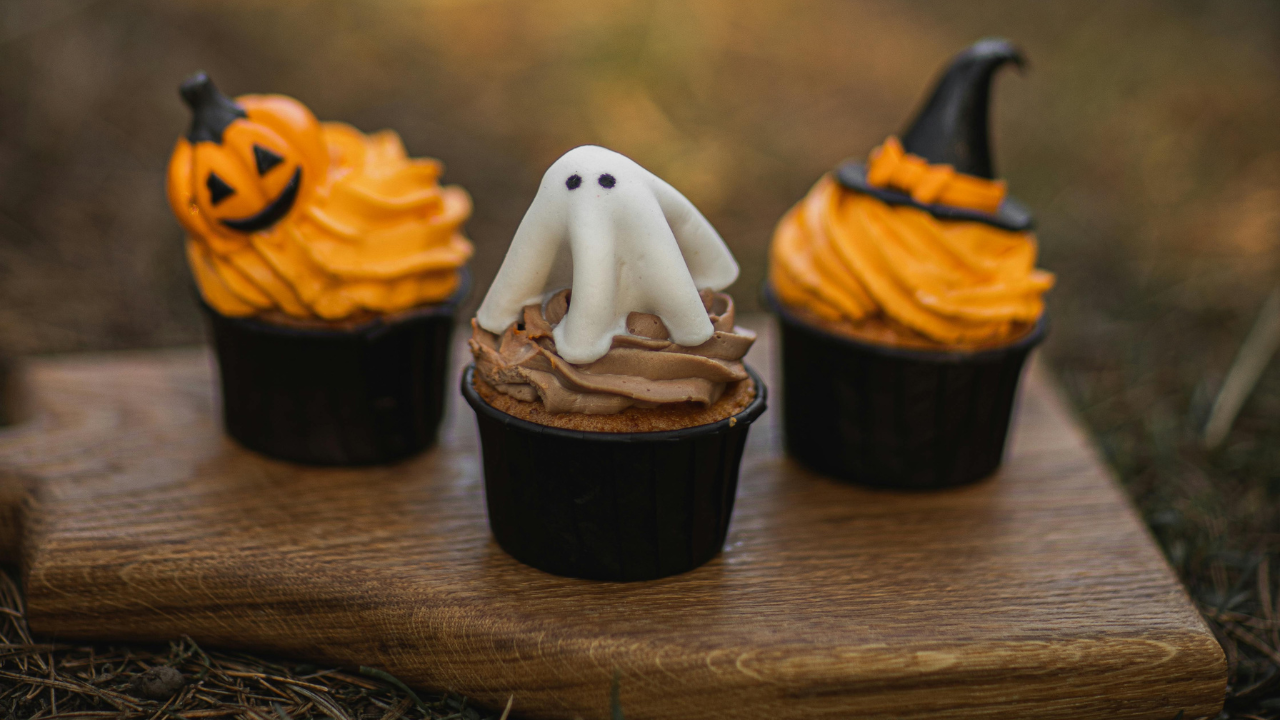
The Art Of Spooky Sophistication Strategy In Halloween Desserts
The modern celebration of Halloween is no longer just about candy; it is a fully choreographed and theatrical celebration that requires culinary artistry and visually stunning execution. Halloween desserts have to balance the spectacle with unforgettable taste, for the desserts must also function as the integral architectural pieces in the overall event design. In this report, I will discuss the trends that have been incorporated in the premium Halloween desserts that range in style from ghoulishly playful to quietly gothic. In this context, a focus on the refinement of the overall aesthetic is particularly crucial for high-end Halloween gatherings. Here, the overall aesthetic of the design may, at times, eclipse the actual taste of the food. Important strategies in this regard include the engineering of an impactful presentation through the strategic manipulation of a color palette and the use of height on the table, as well as the more sophisticated techniques of brown butter infusion and of royal icing. Iconic Halloween desserts can also be built around the versatile and essential peanut butter. Ultimately, the more refined goal is to turn seasonal desserts into compelling, thoughtfully curated experiences to ensure that the desserts will be the centerpiece of any Halloween celebration.
The emphasis placed on intricate and multifaceted desserts during this Halloween season demonstrates an unequivocal shift within the culinary domain towards artistry and meticulous craftsmanship.
Evolution & Aesthetic Demands Halloween Dessert
From Samhain to the Modern Halloween Dessert Table
The traditions surrounding Halloween have evolved, especially the practices surrounding the distribution and consumption of Halloween treats. In the early days, Halloween community practices involved various forms of distribution, but by the mid-20th century, the holiday’s culinary backbone underwent a significant transformation. The cultural move towards commercially made, individually wrapped candy was driven by fears of homemade goods being dangerous. While homemade treats being poisoned was a largely unsubstantiated concern, this anxiety had a profound impact on the consumption of sugar as the central holiday staple, a trend that heightened during the 1970s.
Surprisingly, the commercialization of Halloween and the consumption of sugar as a staple began long before the 1970s. In the 1920s and 1930s, the United States had a booming trick-or-treating culture, and commercially made treats, including ice cream, began to be integrated into Halloween festivities and early Halloween parties. This was the first time holiday-specific desserts were made for the purpose of holiday profit.
The demand for extravagant custom Halloween desserts of the modern day, including towering pumpkin trifles, elegant layer cakes, and complete professional dessert displays, is a significant holiday culinary reclaim.
An emphasis on intricate homemade or artisanal desserts has replaced the use of standardized, commercially wrapped candy at modern Halloween events. The time and effort devoted to techniques such as the flat frosting method and the detailed Lambeth scrollwork pays homage to the artistry and presentation of contemporary baked goods. This shows that the culinary world has surpassed the fears of safety that dominated the early years of Halloween. Rather than the mere acquisition of large quantities of easily transportable goods, the primary focus for modern Halloween celebrations has shifted to the preparation of one or several remarkable culinary pieces.
Contemporary Halloween Dessert Style
Accomplished Halloween desserts should command a wide range of aesthetics from the overtly spooky, and fun to the quietly refined and polished. The choice of style is typically gauged by the audience of the Halloween event.
The Playful Ghoul and Crowd-Pleasers
This approach adds hits modern takes on classic bright Halloween colors (especially orange, black, and purple) along with recognizable motifs. Think haunted house cookies decked out with candy corn and colored frostings, or individual cheesecakes with monster eyes. This design style aims for broad appeal and is designed to be crowd-pleasing for family-friendly Halloween parties. Take for example, recipes in this theme, like Graveyard Pudding, where the focus is on easy, accessible assembly. This makes the creation fun for kids and adults alike.
The Elevated Gothic & Sophisticated Sweets
A more sophisticated approach aims at adult Halloween parties. The focus is on adult Halloween event design, with a more sophisticated, refined style, and the use of darker, more muted color ranges. Think color palettes of burgundy, deep purple, and black—often with gold or silver metallic accents. This creates a sense of opulence and mystery. The Phantom Lambeth cake is a stunning example of this trend. It is a centerpiece creation covered in smooth, deep purple buttercream, features hand-piped classic Lambeth scrollwork, and adorned with edible gold skull details. The intricate artistry on such high-end Halloween desserts shows they have a functional place as a work of art.
The Integration of Seasonal Flavors
The most fundamental and essential aspects of Halloween desserts is to capture rich autumn flavors. No matter the visual design style, a successful Halloween dessert must harvest the best autumn flavors.
The use of seasonal ingredients reminds us of the comforting and familiar flavors that accompany the visual elements of fall. Cakes, cupcakes, and no-bake desserts are harmoniously crafted around fundamental fall ingredients, such as pumpkin, butternut squash, and along with warm spices and caramel. One can add fall flavors by taking a carrot cake recipe and transforming it into a spiced pumpkin Halloween tray bake.
Planning a Halloween Dessert Table
The required level of professionalism for a Halloween dessert table requires a considerable amount of planning. It is important to remember that the display is not simply a serving area,. It is to be treated as a cohesive piece of environmental theater.
The Showstopper Centerpiece Strategy for Halloween Desserts
Every impactful Halloween display needs a dramatic focal point for the visual composition. Thinking of the dessert as a piece of architecture is important as it “showstopper” needs to have a considerable amount of vertical height. Flat, simple desserts cannot fulfill this role. Centerpieces need to be something like a sky-high pumpkin trifle or a bigger majestic Bundt cake.
For a theatrical, playfully creepy effect that also keeps sophistication, Bundt cake showstoppers could be a tall Bundt cake dripping with “slime” frosting and garnished with eyeballs. The dark cake and the dripping glaze will give high contrast and catch attention.
For elegant Halloween parties, the focus primarily becomes the artistry and craftsmanship. The above-mentioned Phantom Lambeth cake, with its sophisticated dark purple shade, intricate hand piped scroll work, and gold embellishments sits at the highest gothic aesthetic. The combination of dark and gold is always powerful but the vertical height and visual complexity is what makes this stand out from the crowd on Halloween.
Mastering the aesthetic of a Halloween dessert table to its fullest extent is reliant on its primary basics, which are, color, height, and light.
Cohesive Color Integration & Palette Choice
In pursuing cohesion for the display, the colors selected must integrate the theme for Halloween. For the Halloween display, a classic spooky look revolves around an orange, black, and purple color combination. To the next level, sophistication will require the use of more subtle shades and the inclusion of metals such as the gold and silver, or replacing orange, black, and purple for more muted autumn colors of deep burgundy, forest green, and cream. Strict adherence to the color parameters will ensure that the display does not look visually cluttered.
Variation in Height & Use of Space
Variation of display height contributes to visibility, accessibility, and the overall sophistication of a display. For professional layouts, dimension and arrangement in a visually dynamic way, is the goal, and that is achieved through cake stands, decorative pedestals, and tiered serving pieces of varying height. This objective is achieved even for smaller, individual desserts as they get placed alongside larger centerpieces and stand out.
Atmospheric Lighting
Proper lighting can make or break the display, and there is a critical component in determining the overall success or failure of the dessert display. Warm, ambient lighting is highly recommended as it unveils the true, rich colors and intricate details of the Halloween desserts which improves the overall spooky atmosphere.
On the other hand, harsh top lighting can easily wash out color combinations and the artistry of the desserts, so it should be avoided.
Immersive Accessories
Some decorations can transform the serving area into an immersive Halloween experience. Accessories may include artificial spider webs, miniature haunted houses, LED candles and, the most dramatic, use of dry ice and spooky fog. These elements elegantly frame the display, setting spooky vibes that extend beyond the food.
Individual Grab-and-Go Halloween Desserts
The visual impact of a centerpiece is diminished when it is too time consuming to serve an individual portion. With the high-volume Halloween parties, it is critical to use operational efficiency to sculpt your desserts. Grab-and-go options, like the individually portioned treats, let your guests snack freely.
Some visually impactful individual desserts are mini cheesecakes, ghost cookies, mummy Oreo truffles, Halloween banana popsicles, and spooktacular Halloween cakesicles. Incorporating interactive elements further enhances the celebratory experience. This is especially true for all-age guests who enjoy decorating kits and other activities that transform desserts. As you know, a sugar cookie is most fun when you can decorate it yourself!
Thematic Transformation
In contemporary Halloween desserts, the most impactful transforms are the displays: creative, festive and often eerie. Halloween culinary creations are accomplished using common desserts, clever techniques, and a little repetition.
The Ghoulish Graveyard
Among the various Halloween desserts, the graveyard themed one certainly stands out. It can easily be modified across different formats, be it pudding cups, cupcakes, or sheet cakes. This themed dessert focuses on realism, which can be achieved by swapping out certain ingredients.
Creating a convincing simulation of the dirt is fundamental. This is accomplished by smashing chocolate sandwich cookies, specifically the Oreo Thins, and piling them high on top of chocolate pudding or cake. This creates a rich, dark coverage which serves as perfect fake dirt.
The illusion is further enhanced by the inclusion of ghoulish details. Flat, rectangular cookies such as Milano are placed at intervals on the “dirt” layer to resemble miniature grave headstones. On Halloween, gummy worms are a must, as they are used to produce the horrifying effect of emerging from the dirt, along with candy eyes and pumpkin candy corn. For a more dramatic effect, red icing gel can be used to create the illusion of blood. The graveyard aesthetic is a perfect example of the transformation that can occur with Halloween desserts.
Add-A-Label
To achieve that professional finish on Halloween desserts, one must pay extra attention to detail, especially when it comes to the application of frosting, and the precision in shaping it.
Consider the “flat frosting” technique, for example. It delivers surprisingly smooth, professional-looking iced tops on cupcakes, turning plain vanilla sponge or pumpkin-flavored bakes into picture-perfect autumn treats. Transforming bakes into picture-perfect fall treats. First, the buttercream is frosted on the cupcake. Then, it is briefly chilled while inverted. This results in a level buttercream surface.
For more advanced decorated cookies, like sugar cookies with personalized pumpkin designs, one must master the various consistencies of royal icing. This is necessary for clean lines and a smooth, polished surface. After achieving a sharp outline with piping consistency royal icing, the flood or fill is achieved with a thinner icing to create an even fill. Then, after the outline is dry, pumpkin lines and stems can be added with piping consistency icing.
Shaped and finished sweets creatively tell the Halloween story. Desserts can be made in monstrous forms, like the freaky finger red velvet cake and the spooky black cat cake. Bone-shaped cookies are dipped into a chocolate strawberry sauce designed to look like “blood.” The decorative shaping ensures desserts remain preeminent to the visual narrative of Halloween.
No-Bake Treats
No-bake treats are a no-bake Halloween dessert strategic solution. The visually enticing no-bake desserts provide a high payoff with a minimal initial time or oven investment.
Many no-bake Halloween desserts require a few simple steps to assemble and creatively decorate.Oreo Spiders, which utilize chocolate cookies for the body, pretzel legs and candy eyeballs, and Bat Cookies, which consists of Oreo cookies and chocolate, are fast and charming desserts that can be made quickly in the Halloween season.
There are sophisticated no-bake options that provide complex flavors characteristic of the season without the hassle of using an oven. These include the adult gathering appropriate, No-Cook Pumpkin Spice Tiramisu and Mini Mason Jar Spiced Cheesecakes. These options also showcase that in terms of the complexity in flavors and presentation, there is no tradeoff for desserts that are simple in terms of preparation.
Peanut Butter in Creative Halloween Desserts
Peanut butter is the Halloween candy paving the way for the construction of the flavor profiles. The addition of sweet chocolate and fall spices and the contrast of savory peanut butter takes Halloween desserts to the next level.
The Peanut Butter and Chocolate Foundation
Peanut butter and chocolate is many a Halloween favorite. Halloween Buckeyes are chocolate covered peanut butter balls decorated with orange and black sprinkles which perfectly embody this combination and festively highlight its popularity.
Peanut butter takes a seasonal dessert to a different level. The Mini Peanut Butter Cupcakes with Pumpkin Cream Cheese Frosting is a perfect example of a dessert that captures the seasonal peanut butter and pumpkin spice flavors and melds perfectly with warm spiced desserts.
In cookie recipes that use butter brown to the point of a deep tan will elevate the butter’s richness. The technique of flavoring brown butter provides a warm, toasty, caramel-like taste that deepens the flavor of the dough, making it far more intricate even before seasonal decorations are added. This practice is so that the many Halloween desserts are decorated simply yet they evoke a sense of deep complexity.
In no-bake desserts peanut butter allows itself to be formed into different shapes.
The no-bake peanut butter balls can be made with softened butter, peanut butter, and powdered sugar. They can also be themed. With some creativity, they can be made orange and shaped as small pumpkins with toothpicks used to create indentation ridges.
Another good example of the use of technique and creativity is the methodology for the Peanut Butter Spider Cookies. These Spider Brown Butter Chocolate Chip Cookies use snack-sized Reese’s Peanut Butter Cups as the main feature for the spider’s body. Control of the ingredients and temperature is important to achieve the desired effect. The cups should be unwrapped and placed in the freezer for about ten minutes. This is because when the cold peanut butter cup is pushed into the center of the warm, freshly baked cookie, the cup will not melt or deform. Black writing icing will complete the spider by adding three legs on each side of the cup and optional candy eyes. This technique makes the cookie appeal more with very little fuss.
Lastly, today’s Halloween desserts range from innovative to display-centric creations. Each treat spread for Halloween parties requires a balance of artistry and complex/flavor pairing. The creativity shown in the construction of a Halloween spread involves the delight of the palate as the desserts are presented in a showy manner. Attention to structural integrity in the desserts is as important as the spell they cast on the consumer’s sense of taste.
Execution of the theme entails a graceful shift in the story told from an enchanting, haunted graveyard to the shimmering elegance of a gothic cake. Each detail is essential to the experience, such as the warm lighting and varied heights of the serving pieces. Holiday professionals can create a complete experience by crafting sophisticated, effort-free, no-bake desserts. The artistry of Halloween desserts is a testimony to the uncompromising dedication to make the holiday a memorable culinary experience. Halloween desserts complete the culinary artistry of the season and showcase an artistry that is diverse and specialized to create flavors.
FAQs
What are the essential design elements for creating a professional and visually impactful Halloween dessert table?
Having a Halloween party means having a “dessert display.” It has to provide an experience and complete the “culinary theater.” To achieve this professional look, several key strategies are essential which include the following.
Height and dimension: Use various heights to create a dynamic look using cake stands, decorative pedestals, and tiered serving pieces to achieve the goal of visibility and accessibility of all the desserts.
Color Discipline: Stick to a predetermined color palette, which may be a traditional (orange, black and purple) or an elevated (deep burgundy, forest green with gold or silver) to match an adult gothic aesthetic.
Atmospheric Lighting: Use warm, ambient lighting to create a “spooky” atmosphere to enhance the desserts, creating drama around rich textures and colors of the Halloween desserts while avoiding harsh overhead lighting.
Grab-and-go options: Provide desserts like mini cupcakes, cookies, and Halloween Cakesicles which provide a hassle-free eating experience. Guests won’t have to wait for something to be plated or sliced.
What Halloween dessert incorporates peanut butter and chocolate?
The combination of peanut butter and chocolate is foundational to many Halloween desserts. A perfect illustration of this transformation would be the Spider Brown Butter Chocolate Chip Cookie. The cookie base is enriched through the use of brown butter whick adds a savory and caramelized richnesses the chocolate chip cookie flavor. Snack-size Reese’s Peanut Butter Cups are used to create the spider’s body. An important practice is to unwrap and freeze the Reese’s Cups for about ten minutes before pressing the frozen cup into the center of the freshly baked, warm cookie. This helps avoid deformation of the peanut butter cup. To complete the spider illusion, black writing icing or melted chocolate is used to draw the three legs on each side of the Reese’s Cup.
What are the fundamental aesthetic divisions for contemporary Halloween desserts?
Contemporary Halloween desserts can be classified into two major aesthetic categories.
The Playful Ghoul/Crowd-Pleasers: This style is very popular for family Halloween parties. It use bright, classic Halloween colors. The desserts are simple and fun, and easily recognizable, like mini cheesecakes or haunted house cookies decorated with candy corn and vibrant frosting. Recipes in this category, like Graveyard Pudding, focus on accessibility for all ages.
The Elevated Gothic/Sophisticated Sweets: This style is mainly for adult Halloween parties. It emphasizes sophistication and luxurious details.
The color palette incorporates deep and rich shades of purple, black, and burgundy, frequently embellished with metallics, such as edible gold and silver. A great example is the Phantom Lambeth cake, which treats the cake as a functional piece of art with a smooth, deep-colored buttercream finish, and hand-piped scrollwork of intricate and ornate designs.
What are some of the quickest, easiest, and no bake Halloween desserts?
No bake Halloween desserts are great because they require less time and oven use but they still yield great visual results. This is great for Halloween parties, especially when baked goods are plentiful.
Fast to Prepare: For example, the Oreo Spiders (with chocolate cookies, pretzels for legs, and candy eyes), Bat Cookies (with Oreo cookies and melted chocolate), and Mummy Oreo truffles are fast, lovely, and great when time is of the essence.
More complex and adult flavors can still be of high quality when they are no bake. For example, No-Cook Pumpkin Spice Tiramisu and Mini Mason Jar Spiced Cheesecakes come without the oven but provide rich, complex flavors for the fall season.
How are Halloween desserts, like graveyard pudding or cakes, themed to a graveyard?
The famous graveyard theme is one of the classics Halloween desserts for its realistic textural simulation and thoughtful placement of ingredients.
‘Dirt’ Creation: A creamy base like chocolate pudding or cake is covered with crushed chocolate sandwich cookies (like Oreo Thins) to give the illusion of soil. Headstones and Horrors: Flat, rectangular cookies (such as Silvia cookies) are set up and staggered, lengthwise, on the ‘dirt’, marking the graves in miniature. To finish the dessert, some ghoulish accents are added: gummy worms that look like they are rising from the ground, candy eyes, and candy corn. For a dramatic appearance, red icing gel can be used to replicate ‘blood’.
How do party hosts ensure the entire halloween spread, not just the dessert, captures the spooky vibe and what are some examples of monster-fied food?
Well-prepared hosts dedicate attention to costumes, decorations, and food. Food sets the success of the event. They seamlessly include food that ranges in levels of spookiness from “cute and easy to intricate and downright scary”.
Appetizers and Snacks: The neon-green guacamole shaped like Frankenstein’s monster, jack-o’-lantern empanadas, and the simple finger foods and appetizers are ‘monster-fied’ through clever arrangement and, in the case of the finger food, disguise.
Entrees: Even main courses can be designed to the spooky theme: ghost shaped pizza or boo-ritos.
Theatrical Desserts: Cookies shaped like bones really incorporate the the holiday as they are dipped in “blood” (chocolate strawberry sauce). Halloween desserts also contribute to the overall spooky feast.
What Halloween desserts are quick, last-minute recommendations for a surprise Halloween party?
For those who need Halloween desserts that look impressive while requiring minimal effort, a few quick and easy approaches still create an astonishing effect.
Time-Saving Treats: When it comes to Halloween desserts, recipes such as Chocolate Ghost Bark, Spider web Salted Caramel Tart, and Pastry Voodoo Dolls are Halloween desserts that are both quick and spooky.
Simple to Assemble: Other easy last-minute Halloween desserts quick to assemble are Mummy Oreo Truffles, Ghost Cookies, and Pastry Spiders.
Baked/Assembled Treats: A Halloween Nutella Cookie Pie along with Halloween desserts provides a quick-bake option to serve as a less time-consuming centerpiece alternative to a layer cake. Designed to be quick and simple to make, these recipes ensure a festive spread, even when time is short.
In what ways can peanut butter be sophisticated with other autumn flavors for Halloween desserts, such as pumpkin?
Peanut butter provides a rich and nutty base that works with the spice and warmth, along with the autumn profile of pumpkin, as well as a chocolate base for Halloween desserts.
With time and spice, the nutty flavors of peanut butter harmonizes with the sweetness of pumpkin to create a refined fusion.
This is exemplified with Mini Peanut Butter Cupcakes and Pumpkin Cream Cheese Frosting.
The combination of these elements results in a “scary good” dessert, as the frosting’s dense, nutty, creamy, and spiced elements create harmony and balance.
Cookie Bars: For a larger serving, peanut butter cookie bars can have Reese’s Pieces peanut butter candy and Peanut Butter Chips incorporated into the dough and serve as a textured, tasty, and nutty base that is then topped with candy eyeballs as a Halloween decoration.
What are the distinctions of piping versus flooding royal icing when decorating detailed Halloween goodies?
When designing highly detailed desserts, like personalized sugar cookies, the frosting requires a nuanced understanding of royal icing for a polished appearance.
Piping Consistency: This form of royal icing is thicker and used for sharper designs. For example, to outline the cookie’s ends or to insert features like lines on a pumpkin stem, it is applied as a border since it retains its form and structure.
Flooding: This is a more liquid form of royal icing used for large-area coverage. It is used after a piping outline of the desired shape has dried. It is applied in the open edges of the outline and it self-levels, drying to a fine, sleek, polished, uniform surface, filling in all the space in the enclosed area. Additional decorated icing can be added after the gentle flooding icing is dried as an added detail. When the icing is still wet, decorating sugar can be added for an extra festive detail.
How can simple cupcakes be transformed into for a more theatrical Halloween graveyard scene for Halloween parties?
Cupcakes make for a great individual dessert for Halloween parties because they are easy to serve and highly customizable. Furthermore, they can be combined to create an immersive graveyard scene, which, for Halloween can be complemented with edible decorations.
Base and ‘Dirt’: Used chocolate cupcakes and topped them with green “moss” frosting. Chocolate cookie ‘dirt’ (made from crushed chocolate sandwich cookies) is then sprinkled over the frosting to simulate the ground.
Theatrical Accents: The scene is completed with decorative tombstones, which can be made from cookies or chocolate. For a truly authentic cemetery vibe, small skeleton hands and skulls can be added, appearing to emerge from the frosting. This turns a collection of simple desserts into a singular, impressive display.
Aside from spider-themed designs, what are some innovative uses of peanut butter in Halloween treats?
The pairing of chocolate with peanut butter is classic, but shifting attention from chocolate to other desserts during Halloween is a great way to celebrate this particular flavor for the holiday.
Autumnal desserts, such as peanut butter caramel apple slices, highlight the flavor. The combination of peanut butter with caramel adds a richer taste to the crispy, tart, and sweet slices of apple.
For larger Halloween treats, peanut butter can serve as the base for numerous cookie and bar recipes. In the Reese’s Pieces Peanut Butter Cookie Bars, a tightly textured cookie enriched with peanut butter and Reese’s Pieces candy, a bit of the candy is mixed, baked, and pressed into the warm dough to serve as the Halloween eye for finishing touches.
Also, no-bake peanut butter desserts, like the Giant Peanut Butter Cup and Chocolate Peanut Butter Pretzel Bars, can be prepared for Halloween. The nut butter adds depth of flavor and helps hold the other ingredients together instead of baking.