Something I Say About Asian Fusion Food And Its Flavors That Last!
Simply speaking, this general concept describes blending products and recipes from many civilizations. Customers can enjoy genuinely unique flavor combinations and unique menu alternatives that are unavailable elsewhere thanks to this approach of fusing culinary forces. The roots of fusion cuisine are unclear and its history is complicated. As long as people have been exchanging cultural aspects, it has most likely been around for a long time. A fusion meal incorporates components from multiple cooking techniques. Although its preparation and presentation are usually more inventive than traditional, fusion cuisine takes influence from a variety of classic dishes. The fusion food label also applies to foods that have been modified by incorporating elements from another culture.
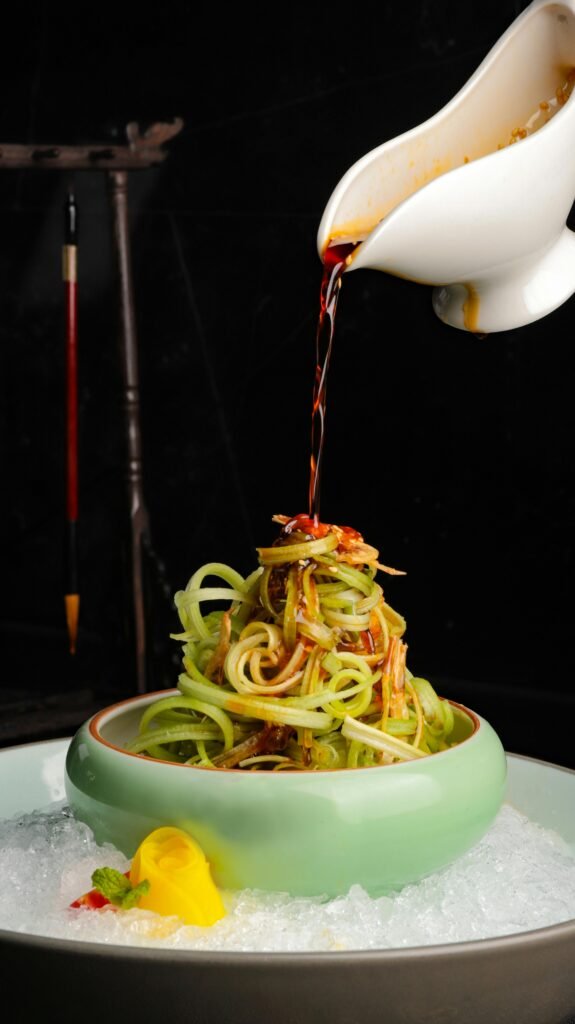
Fusion cooking is highly misinterpreted and often mocked. In most cases, “fusing” refers to the process of bringing two items together, often utilizing heat. This could be applied to anything, including the fusing of two concepts, the alloying of two metals, which produces a completely new principle, or nuclear fusion, which is the process by which two or more nuclei unite to form one, larger nucleus. This third example of fusion is connected to fusion cooking, which is basically the combining of one or more culinary traditions, methods, or disciplines to produce a distinctive approach or final meal.
- For what reason do fusion meals exist at all?
Chefs can use this method to expand their menu and produce a dish that is different from those of their competitors and colleagues. As an alternative, a chef or cook with experience from several cultural backgrounds who wish to add their own unique identity to their dish may use fusion cooking.
If you want to see or buy a quality Stand Mixer click right here
What Is Asian Fusion Food?
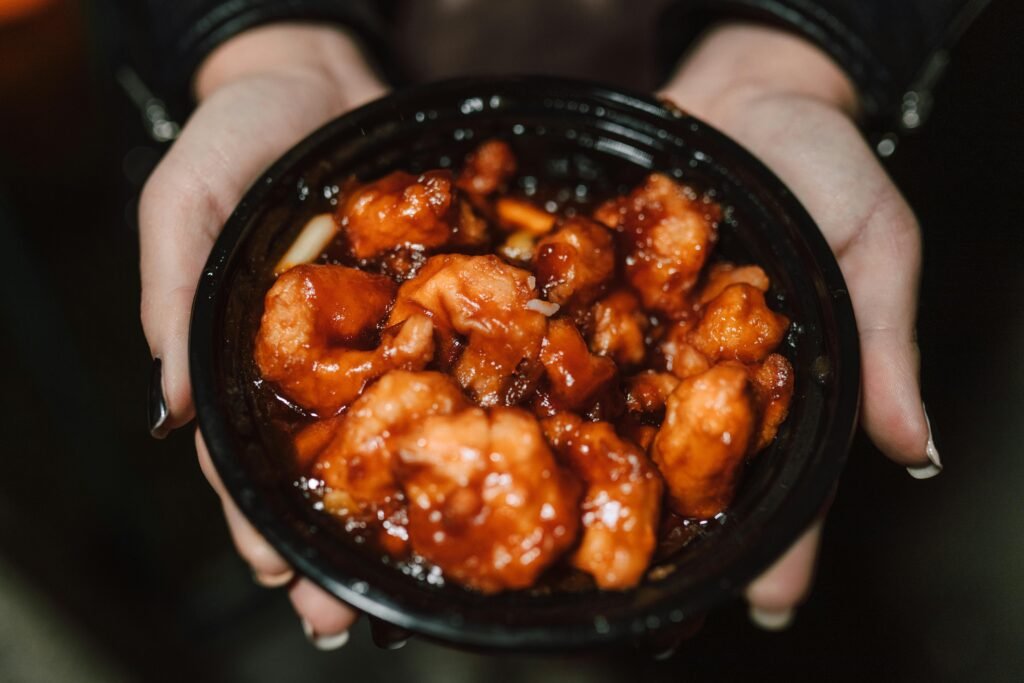
At the heart of it, Asian fusion cuisine is a delicious culinary idea that combines flavors, methods, and traditional Asian components with those of other cuisines. Chefs use seemingly disparate ingredients to create something completely unique and fascinating in this celebration of innovation. Consider dishes that push the limits of cuisine, such as baked sweet & sour Chicken, Korean BBQ burritos, Asian-style chicken wings, ramen burgers, spicy tofu ramen, and sushi tacos. By combining Latin American and Japanese inspirations, Zama creates recipes that highlight vibrant flavors, fresh ingredients, and creative presentation, epitomizing Asian fusion.
If you want to see or buy a quality Serving Platter click right here
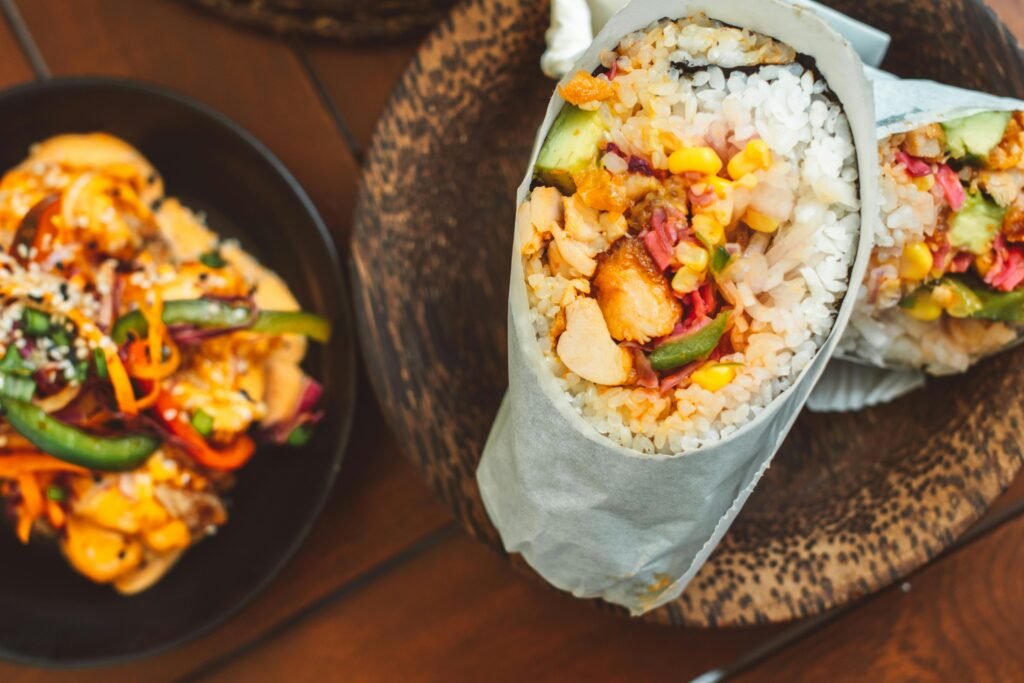
A few distinct ways of using Asian-style foods and ingredients blended with other sorts of dishes are what define Asian Fusion, a cuisine that gained popularity in America in the 1960s. To produce something new, Asian Fusion essentially involves experimenting with various flavors, ingredients, cooking methods, and other elements. Asian fusion is one of the most popular of these hybrid cuisines. Because of the region’s rich cultural legacy, Asian cuisine encourages chefs to innovate with flavors and cooking methods. One such cuisine is the Sushirrito, which is essentially a huge roll of sushi made by combining sushi and a burrito.
If you want to see or buy a quality Cast Iron Skillet click right here
Asian Fusion uses traditional Asian-style ingredients, cuisines, and cooking techniques to create creative and tasty new fusions. It is a cuisine in which Asian ingredients are commonly mixed with typical Mexican, American, or other Asian-style cuisines. Asian fusion has long existed in other countries, but it didn’t become well-known in this country until the 1960s. Since then, it has been increasingly popular, and you can now find Asian fusion restaurants in small towns and across the country.
Asian Fusion Cuisine’s Heritage
Asian fusion cuisine, which combines traditional Asian cooking with global influences, is a prime example of the power of culinary creativity and cross-cultural interaction. This vibrant cooking style, which has its roots in immigrant populations who modified their own cuisines to incorporate new products and methods, exemplifies the inventiveness and tenacity of cultural assimilation.
If you want to see or buy a quality Blender click right here
For example, Japanese immigrants in Hawaii created saimin, a noodle soup that combines Japanese, Chinese, and Hawaiian ingredients, while Chinese immigrants in Peru created chifa, a distinctive fusion of Chinese techniques and Peruvian flavors. The foundation for the widespread appreciation of fusion cuisine was laid by these early modifications.
The origins of Asian Fusion cuisine can be traced back to centuries of cultural interchange. However, it just recently gained popularity in the culinary world, having done so in the latter half of the 20th century. The concept emerged when chefs began experimenting with combining the flavors and methods of Asian cooking with those of other cuisines, especially Western ones, especially in multicultural American cities. The need to innovate and satisfy an eating public that is becoming more daring and open to trying new foods and experiences was what motivated this effort.
If you want to see or buy a quality Microwave Oven click right here
Famous fusion meals like teriyaki-glazed burgers and Thai-inspired spaghetti were created as a result of chefs’ increased experimentation during the travel boom of the late 20th century. Together with creative dishes like sushi burritos and Korean tacos, these inventions pushed the frontiers of cuisine and revolutionized eating experiences. This heritage is carried on by eateries like Zama in San Diego, which combine Asian and Latin American ingredients to produce sushi rolls seasoned with tamari and strong rice noodle stir-fries that pay homage to their roots while investigating new possibilities in gluten-free and fusion cooking.
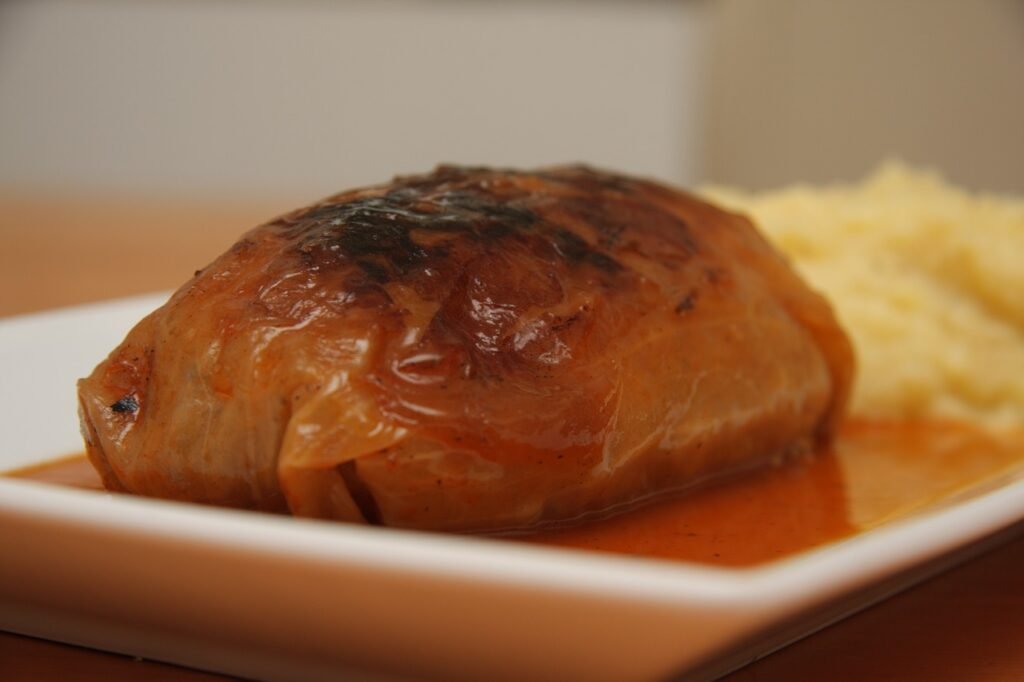
The lasting impact of Asian fusion’s appeal as a celebration of variety and inclusivity demonstrates its universal appeal. Fusion cuisine, which includes Indian-Chinese dishes like Gobi Manchurian, lemon chicken, cabbage rolls, and kimchi quesadillas, demonstrates how different flavors may come together to produce something novel and fascinating. Home chefs may readily join this culinary trend by experimenting with tamari, miso, and other mainstays to create their own fusion recipes, thanks to the growing availability of products from around the world. With mouthwatering delights for every palate, this lively cooking technique encourages everyone to look up the nexus of cultures.
If you want to see or buy a quality Dry Measuring Cups & Spoons click right here
East Asian, South Asian, Central Asian, Southeast Asian, and Middle Eastern cuisines are some of Asia’s most prominent regional varieties. Rice, ginger, soy sauce, fish sauce, garlic, oyster sauce, tofu, chiles, dried onions, soy, oregano, and sesame seeds are some of the ingredients that all of these Asian cuisines have in common. In every location, cooking methods like stir-frying and steaming are popular.
- The main ingredients used in East Asian cuisine (China, Japan, Mongolia, and Taiwan) include rice, noodles, soybeans, and seafood.
- Light foods with strong aromatic components that feature flavors like citrus and herbs like lime, coriander, mint leaves, and basil are the focus of Southeast Asia, which includes the Philippines, Singapore, Thailand, and Vietnam. Ingredients like galangal, tamarind, and lemongrass are included in the food, while soy sauce is frequently used. Cooking methods include boiling, steaming, and stir-frying.
- The cuisine of South Asia (India, Nepal, Pakistan, and Afghanistan) mostly includes chicken, mutton, beef, and fish and favors the use of spices, herbs, flavored oil, yogurt, and coconut milk.
- Nuts, raisins, and other spices are used in Central Asian (Tajikistan, Turkmenistan) cuisine.
- Olives and olive oil, sesame seeds, pitas, honey, dates, mint, chickpeas, and parsley are all staples in West Asian (Middle Eastern) cooking. Common ways to prepare vegetables include boiling, stewing, grilling, stuffing, and cooking them with rice and meat.
- Russian and North Asian cuisine are similar in that they both use a lot of spices, noodles, and substantial meats.
If you want to see or buy a quality Liquid Measuring Cup click right here
Pan-Asian Food And How It Differs From Asian Fusion Cuisine
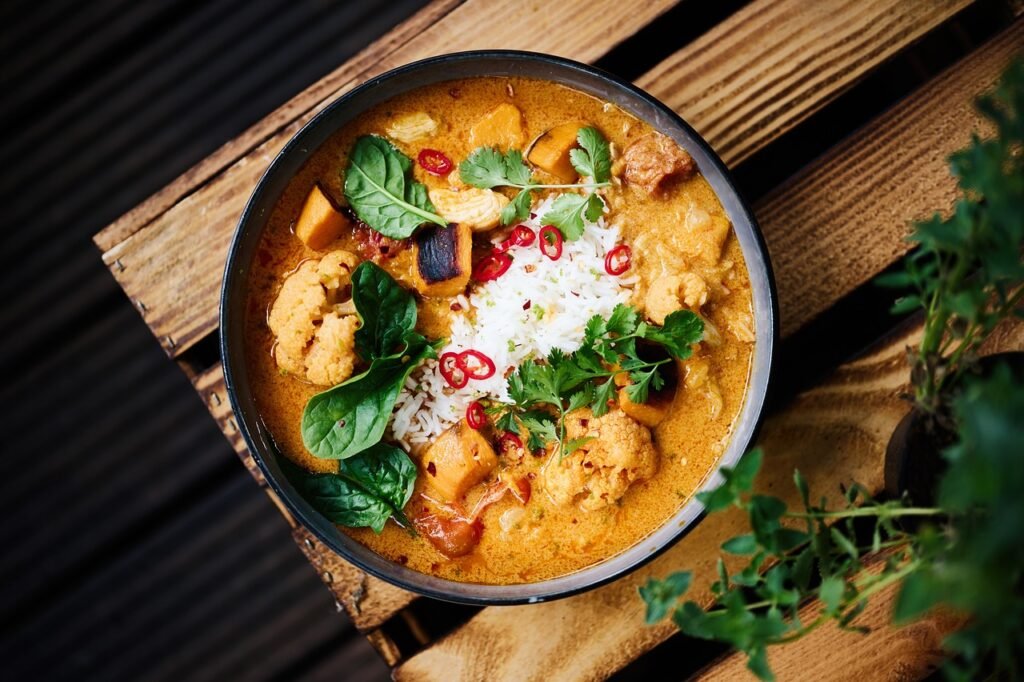
A blend of flavors and ingredients from all throughout Asia is referred to as pan-Asian. Traditional Chinese rice and shrimp meals as well as a fiery curry dish from rural Southern India, Massaman curry a spicy and coconut milk-based Thai curry meal that is full of flavor, tom yum soup a sour and fiery Thai soup including chili peppers, galangal, and lemongrass are a couple of samples of what you might find on a Pan-Asian menu. For people who want to try something new but are hesitant to step outside of their gastronomic comfort zone, Pan-Asian cuisine is ideal.
If you want to see or buy a quality Large Salad Bowl click right here
Traditional Asian foods are the source of inspiration for Asian fusion cuisine. Their flavor authenticity is debatable, and they are typically more experimental. To accommodate local tastes and the locations where they are served, dishes are modified. If you want to consume vegetarian, gluten-free, or vegan food while still savoring the tastes of Asian cuisines, Asian fusion cuisine is the way to go. If you want to sample a lot of different Asian foods without sacrificing authenticity, Pan-Asian is the logical choice.
Features Of Fusion Asian Cuisine
Asian Fusion cuisine is known for its flexibility, which permits countless creative possibilities. This cuisine is distinguished by some essential components, such as:
- Diverse Ingredients: Foods from several culinary traditions are frequently used in Asian Fusion recipes. For instance, a dish can incorporate ingredients like avocado or cream cheese that aren’t commonly found in Japanese cooking with conventional sushi rice and nori.
- Creative Methods: Chefs that specialize in Asian Fusion may use methods from one culture to prepare native products, such as Chinese-style pork belly prepared with French sous-vide techniques.
- Vibrant flavorings: Asian Fusion cuisine is renowned for combining sour, sweet, spicy, and savory ingredients in one dish. Complex flavors that are both recognizable and unexpected are produced as a result.
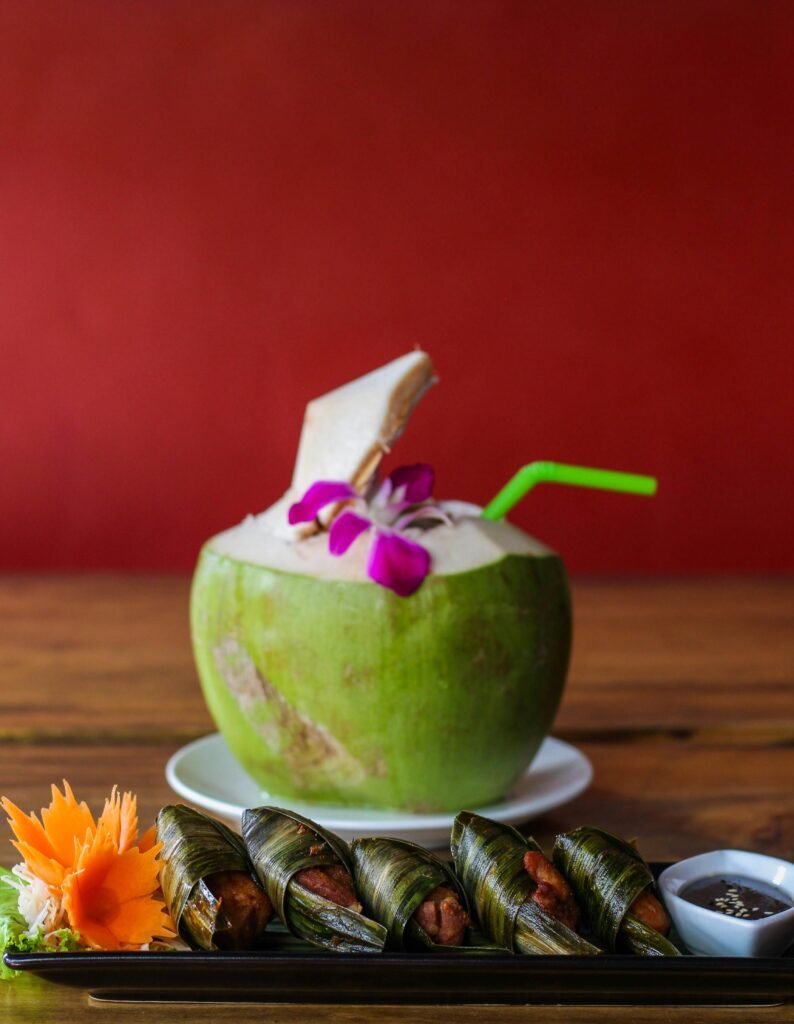
- Appearance and Themes: Asian Fusion cuisine places a strong emphasis on presentation, with meals frequently presented in a way that accentuates the blending of several culinary traditions.
If you want to see or buy a quality Kitchen Hood click right here
What Kinds Of Dishes Are A Few Instances Of Fusion?
Asia’s most popular regional cuisines include those from the East, Southeast, South, Central, and Middle East. A lot of ingredients, including rice, ginger, garlic, tofu, tomato sauce, chiles, dried onions, soy sauce, and sesame seeds, are shared by these various Asian cuisines. Common cooking techniques like steaming and stir-frying are used in each location.
- In East Asia (China, Japan, Mongolia, and Taiwan), rice, noodles, soybeans, and shellfish are used to make the majority of cuisines.
- Light foods with flavorful herbs like lime, coriander, and basil are highly valued in Southeast Asia, which includes the Philippines, Singapore, Thailand, and Vietnam. Soy sauce is commonly utilized, and ingredients like galangal, tamarind, and lemongrass begin to show up in the dish. Cooking methods include steaming, boiling, and stir-frying.
- In South Asian (India, Nepal, Pakistan, and Afghanistan) cooking, the main ingredients are fish, poultry, beef, lamb, and mutton; other ingredients include flavored oil, yogurt, coconut milk, and herbs and spices.
- Raisins, almonds, and a range of spices are used in Tajikistani and Turkmenistan cuisine.
- Common ingredients in West Asian (Middle Eastern) cooking include chickpeas, dates, sesame seeds, pitas, honey, olives and olive oil, mint, and parsley. Vegetables are usually cooked with rice and meat by boiling, stewing, grilling, or stuffing them.
- The use of strong spices, filling meats, and noodles is common in both North Asian and Russian cooking.
If you want to see or buy a quality Skillet or Non-stick Fry Pan click right here
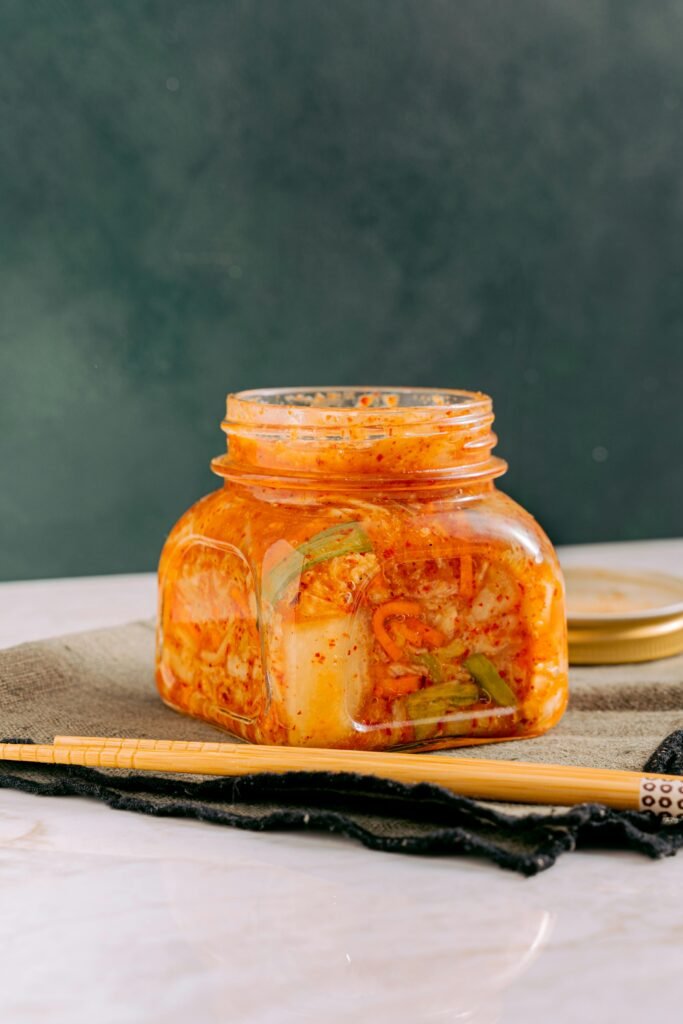
So, Asian Fusion cuisine is an example of how culinary expertise is dynamic and constantly changing. Through the savvy blending of flavors and methods from many Asian traditions with international influences, it provides a distinctive and thrilling dining experience. This dynamic culinary movement promotes cultural interaction, fosters creativity, and shows the amazing possibilities that emerge when culinary limits are challenged. Whether it’s the inventive combination of sushi and Mexican food in a “sushi burrito” or the surprising balance of Thai flavors with Italian pasta, Asian Fusion never fails to enthrall palates and motivate cooks around. With the world growing more interconnected, we may anticipate that this fascinating gastronomic adventure will continue, providing countless opportunities for delectable new finds.