
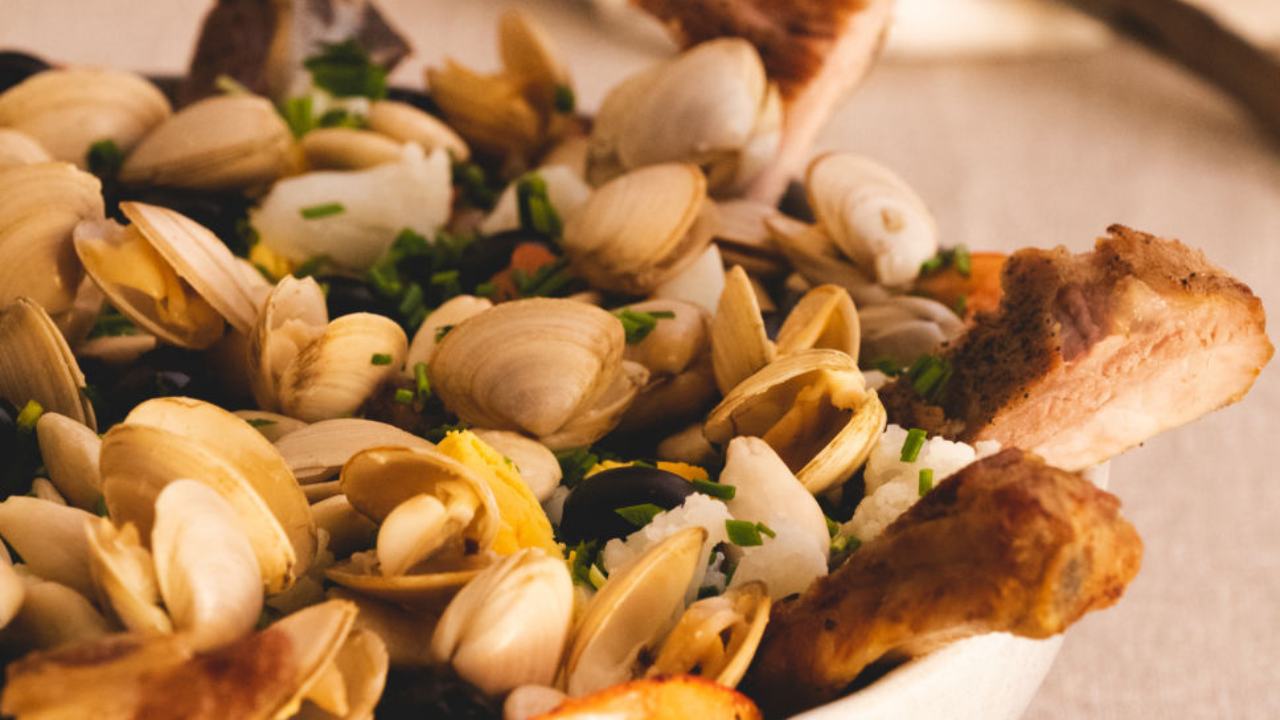
Try Fat Rice Arroz Gordo, & It’ll Melt Your Heart
Macau’s signature food, Arroz Gordo (literally, “substantial rice”), is a celebration feast. Arroz Gordo, a hearty, home-style stacked rice meal reminiscent of paella, is typically made for family and friends on special occasions. “Jasmine rice infused with sofrito, Chinese sausage, seasoned duck and garnished with Portuguese chicken thighs, char siu pork, linguica sausage, chubby prawns, oysters, tea eggs, croutons, different pickles and dressings. “You could get the dish named for it at Chicago’s Fat Rice if paella left Spain, traveled to China, and underwent some introspection. It all dates back to Macau, the former Portuguese territory in China, where a hearty pot of fragrant rice, chicken infused with curry, and much more are served nearly exclusively at home.

Ingredients:
Marinated Chicken,
- 5 skin-on, bone-in chicken thighs (around 2.5 lbs.)
- Finely cut one and a half garlic cloves
- 1 and 1/2 tablespoons fresh lemon juice
- 1 and 1/2 tsp. smoked paprika
- 1 tsp. curry powder
- 1 tsp. powdered turmeric
Raisins,
- 1/4 cup golden raisins
- 1 Tbsp. + 1 tsp. Sherry or red wine vinegar (separated)
Soffritto,
- 1 tbsp olive oil
- 1 thinly sliced red bell pepper
- 1/2 large onion, thinly sliced
- Kosher salt
- 3 garlic cloves, finely chopped
- 2 tsp. tomato paste
- 1/2 tsp. smoked paprika
- Freshly powdered black pepper
Rice,
- Kosher salt and freshly powdered black pepper
- 3 Tbsp. olive oil, split
- Thinly slice 1.5 ounces of cured Spanish chorizo
- 3 cups low-sodium chicken broth
- 1 and 1/2 cups jasmine rice, rinsed
- 3 oz. Chinese sausage or andouille sausage, thinly sliced
If you want to see or buy a quality Hard Anodized Pots click right here
Prawns & Clams
- 1 and 1/2 garlic cloves, finely chopped
- 2 tsp. fermented black beans (optional)
- 2 tsp. finely chopped fresh cilantro stems
- 2 tsp. finely minced pickled chilies
- 5 large head-on prawns
- 1 lb. Manila clams, scrubbed
- 1/3 cup dry white wine
- Kosher salt
Assembly,
- 1 and 1/3 Tbsp. gochugaru (coarse Korean red pepper powder)
- 1/4 tsp. of cayenne pepper
- 1/4 teaspoon kosher salt
- 1 and 1/3 lemons, quartered, seeds removed
- Halved hard-boiled eggs
- Oil-cured black olives
- Green Spanish olives
- Pickled chilies (serrano or jalapeño)
- Pickled sweet peppers (Peppadew or cherry)
- Thinly cut scallions for serving
If you want to see or buy a quality Carbon Steel Woks click right here
Direction:
- Combine garlic, paprika, curry powder, lemon juice, and turmeric powder in a medium bowl. Add the chicken and toss to coat. For at least six hours, cover and refrigerate.
- In a small saucepan, combine raisins, vinegar, and 2 Tbsp water. Bring to a boil, then lower heat and simmer, stirring regularly, for 8 to 10 minutes, or until the liquid evaporates.
- Heat the oil in a big frying pan over medium heat. Add the bell peppers and onion, then season with salt. Simmer until soft, stirring regularly, for 8 to 10 minutes. Lower the heat to low and simmer the vegetables for 45 to 60 minutes, stirring now and again, until they are caramelized.
- Add the garlic and tomato paste to the skillet, and simmer for a further 10 to 15 minutes, stirring now and then, until the tomato paste darkens. Add salt and pepper to taste, and stir in the vinegar and paprika.
- Drain the chicken from the marinade and season with salt and pepper. Heat two teaspoons of oil in a heavy, lidded skillet that holds five to six quarts over medium-high heat. Cook chicken with skin side down for 10 to 12 minutes, or until skin is crisp and golden; then, move to a dish. (If wanted, you can now remove the bones.)
- Turn down the heat to medium. Bring the chorizo to a crisp in approximately two minutes, stirring often; remove to a small bowl.
- Add the soffritto to the pan and simmer stirring frequently, until it sizzles, about 1 minute. Stir in the broth, scrap off any browned pieces, and season with salt (making sure the liquid is well-salted is crucial for a bowl of tasty rice). Add the rice, raisins, sausage, and chorizo and stir. Stir and bring to a boil. Lower the heat, place the chicken on top, cover the pot, and cook the rice gently for 20 to 25 minutes, or until it is tender. After uncovering, increase the heat to medium-high. Pour the remaining 2 tablespoons of oil around the pot’s rims and cook the rice, uncovered, for an additional 5 minutes or until the underside is crunchy.
- In a small bowl, combine the garlic, chilies, cilantro stems, and fermented beans, if using, while the rice cooks. Leave the heads and tails on when peeling prawns. Vein, stuff cut side with a mixture of garlic, and reserve.
- In a large pan, combine the clams and wine. For about 5 minutes or until the oysters open (throw out any that don’t), cover and boil over high heat while stirring often. Clams should be moved to a big bowl using a slotted spoon.
- Switch to medium-low heat. Dredge prawns lightly in salt, then fry in the same skillet for about 2 minutes on each side, or until opaque throughout. Place the prawns in the bowl with the clams and reserve the pan juices in a separate bowl.
- In a small bowl, combine gochugaru, cayenne, and salt. Dip lemon wedges’ cut sides into the spice mixture.
- Add prawns and clams to the rice and pour the reserved pan juices over it. Add lemon wedges, eggs, pickled chiles, peppers, olives, and scallions on top.
Your dish is ready now. Enjoy delicious Arroz Gordo.
Tips:
- Asian marketplaces carry gochugaru and fermented black beans.
- Marinate chicken up to one day in advance. Maintain a cool temperature.
- Prawns can be packed an hour in advance. Leave off and rest.
- You can prepare raisins three days in advance. Once cool, cover and store.
- Sofritto can be prepared three days in advance. Once cool, cover and store.
Notes:
- Some like to top with sliced Chinese ham and a potato that has been wonderfully cut into strips for deep-frying. Additionally, some people would like to have the bread cut into thin slices as opposed to cubes.
- The chicken was traditionally chopped into large slices and placed in a skillet with water to cover and a half-tsp of salt. After bringing to a boil, lower the heat and cook until soft.
- Finally, after peeling eggs, some people split them in half, and others cut the ends of the rounds into decorative forms like zigzags. Cut the remaining two eggs lengthwise into four or eight pieces.
If you want to see or buy a quality Oil Sprayer Bottle click right here
Cheers to Fusion Cooking!

Frequently Asked Questions
What is Arroz Gordo?
Arroz Gordo, or “Fat Rice,” is a signature dish from Macao, and like many of its creations, it’s known for its rich flavors and culinary extravagance. It can be described as a giant “surf and turf” meal, steeped in a fusion of fragrances, flavors, and textures that showcase the gastronomic identity of Macau.
Why is it called “Fat Rice”? Does it mean it’s unhealthy?
The term “gordo” or fat does not refer to unhealthy portions of lard slathered on the dish, but rather the copious amount of ingredients packed into it. It truly means that Arroz Gordo is “full of goodness,” a lavish feast that marks holidays and gatherings with family and friends.
What are the typical ingredients found in Arroz Gordo?
Although variations exist, the most popular ingredients in Arroz Gordo are:
- Rice, which forms the core starch component of the dish is usually white rice.
- Meats, which include chicken, pork (often cured or Chinese ham), and sometimes chorizo or other sausages.
- Seafood including mussels or shrimp and other shellfish are often included.
- Vegetables such as onions, garlic, and bell peppers which are common aromatics.
- Other garnishes like hard-boiled eggs sliced for garnish, olives, raisins, and at times duck.
Flavorings: Broth of good quality, spices like paprika and oregano, and tomato paste.
What is the culinary heritage of Arroz Gordo?
Arroz Gordo is aMacanese cuisine hallmark. It embodies the blend of Portuguese and Chinese cuisine, enriched with spices from Southeast Asia and Africa. It features European adaptations like stewing rice with diverse meats, integrated with Asian spices and ingredients, showcasing this fusion.
When it comes to the consumption of Arroz Gordo, when is it typically consumed?
Due to Arroz Gordo’s effortful preparation and rich content, often exceeding two days, it is reserved for special family occasions such as Christmas together with other holidays. Arroz Gordo serves the purpose of uniting families around the table to celebrate.
Does Arroz Gordo bear resemblance to Paella?
Yes, Arroz Gordo has often been referred to as a Macanese version of Paella because both share a base of rice accompanied by a variety of meat and seafood. While the two dishes share some Iberian culinary roots, Macanese Arroz Gordo stands out with its unique adaptations, especially the addition of Chinese and Southeast Asian flavors.
Why Macanese Cuisine is Unique?
Macanese cuisine is unique because it is one of the world’s earliest fusion cuisines. Diverse continents and cultures come together in the following ways:
- Portuguese Influence: With ingredients like olive oil, bacalhau (salted cod) and certain cooking methods, Portuguese cuisine has made its mark in Macanese cuisine.
- Chinese Influence: Similar to the Portuguese, the Chinese (mostly Cantonese) cuisine brought soy sauce, stirfrying, and other local ingredients.
- Spices: There are spices infused from Portugal’s historical trade routes in India, Malaysia and Africa such as turmeric, coconut milk, and piri piri.
Apart from Arroz Gordo, what else is Macanese cuisine known for?
Name some of the Macanese dishes apart from Arroz Gordo:
- Galinha à Africana or African Chicken is another popular Macanese dish. It is barbecued chicken covered with a rich and spicy sauce made of peanuts, coconut milk, and chili.
- Minchi is a comforting dish made with minced meat, which is most often pork and/or beef. It comes with diced potatoes and is topped off with an egg.
- Pastéis de Nata is also known as the Portuguese Egg Tarts. They are sweet snacks consisting of flakey crust filled with creamy custard, eggs and are very popular.
- Pork Chop Bun is also very popular as street food. It is a bun filled with seasoned pork chop that is crispy on the outside and tender on the inside.
- Serradura: Literally means “sawdust” in Portuguese, serradura is a two-layer dessert composed of sweetened cream and crushed biscuits.
Always keep clean your hands & for that you can check this soap dispenser right here
How did UNESCO’s designation “Creative City of Gastronomy” impact Macau’s cuisine?
This UNESCO Creative City of Gastronomy designation enhanced both the prestige and appeal of Macau’s cuisine on the international stage. This designation focuses on the authenticity and commitment of the region’s culinary traditions, therefore, stimulating the interest of food tourists and cultural enthusiasts. Macanese cuisine has spread with the diaspora to Canada, US, and Portugal where Macanese communities and restaurants keep the culinary traditions alive. However, to experience the most authentic and diverse flavors of Macanese cuisine, Macau remains the primary destination.
How important is tourism to the appeal of Macanese food?
Tourism dramatically increases the popularity of Macanese cuisine. Macau serves as an international tourism center, receiving millions of domestic and international tourists each year; they are much more excited to experience the culture and food of Macau. Tourists can access Macanese cuisine at high-end restaurants and at busier street food stalls, making it affordable for all visitors.



One Comment